Democrat Scott Colom narrowly defeats Cindy Hyde-Smith in Mississippi Senate race
Democrat Scott Colom won a narrow victory over Republican incumbent Cindy Hyde-Smith, becoming the first Democrat elected to the U.S. Senate from Mississippi since 1982 and a sign of how cost-of-living concerns shaped the midterm contest.
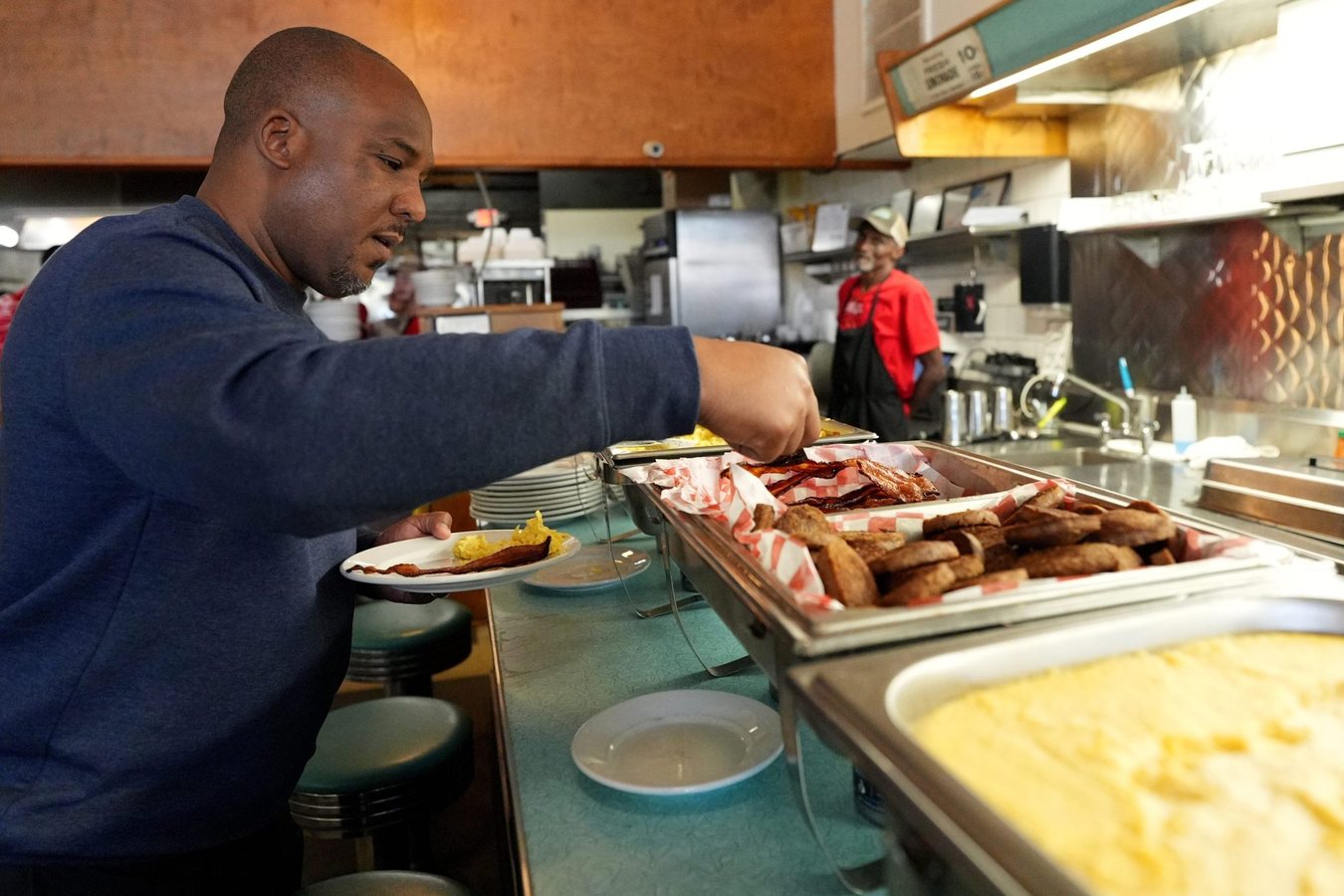
Democrat Scott Colom has defeated Republican incumbent Cindy Hyde-Smith in a narrow contest for a seat in the U.S. Senate, making him the first Democrat elected to the chamber from Mississippi since 1982. The result gives Democrats a symbolic breakthrough in a state that has long been reliably Republican, and it came after a campaign built largely on the price of everyday goods.
Colom's path to the race began in 2025, when he launched his campaign while citing cuts to health care. His run gained momentum around a February comment by Hyde-Smith about beef prices, which became the centerpiece of his advertising. Colom's campaign argued that ground beef had risen from $5.55 to $6.79 per pound since President Donald Trump returned to office, and it used that figure to frame the race around household budgets rather than national party battles.
The final stretch of the race drew heavy attention. Former President Bill Clinton rallied for Colom in Tupelo on Oct. 30. The Democratic Senatorial Campaign Committee spent about $500,000 in the last week of the campaign, while Hyde-Smith raised about $6.3 million over the cycle. Outside spending supporting Colom outpaced spending for Hyde-Smith by roughly three to one, a gap that reflected the national investment Democrats placed in the contest.
Colom's organizing effort extended across the state. He held events in all 82 counties, while Hyde-Smith, by contrast, had held no town hall in six years. That contrast became one of the themes of the race, as Colom sought to portray himself as accessible to voters who had been overlooked by the incumbent.
The outcome was decided by a relatively small margin. A surge of votes in Holmes County put Colom ahead by 28 votes, and he flipped Forrest County while winning Jefferson Davis County. Because Mississippi does not provide for automatic recounts, a losing candidate who wants a recount must go to court, which means the closeness of the result leaves room for legal challenges if one side chooses to pursue them.
The race also carries historical weight. Colom would be the third Black senator from Mississippi, following Hiram Revels and Blanche Bruce, both of whom served during Reconstruction. Colom's career has included a previous setback: in 2023, Hyde-Smith blocked his nomination for a federal judgeship, a fact that gave the Senate contest a personal dimension for both candidates.
The wider Senate picture also shifted. Democrats now hold a 55-seat majority, and a race in Alaska involving Mary Peltola, still being counted, could push that to 56. A larger majority would reduce Democrats' reliance on Republican votes to reach the 60 needed to overcome a filibuster.
Exit polling pointed to the economy as the dominant concern for voters. Cost of living and government corruption ranked as the top issues, and voters worried about the economy who had supported Trump two years earlier appeared to move away from the party in this race. Trump had described affordability as a Democratic "con job," while Rep. Elise Stefanik said Republicans had let their advantage on affordability slip away. The Mississippi result suggests that the argument over prices, rather than a broader policy debate, carried significant weight with voters in the state.
Source: fortune.com
3