Congress, White House press Smithsonian over US history exhibits
A House hearing and a White House report accuse the Smithsonian of letting activist ideology shape its museums, with a Mickey Mouse exhibit at the center of the clash over how America tells its story.
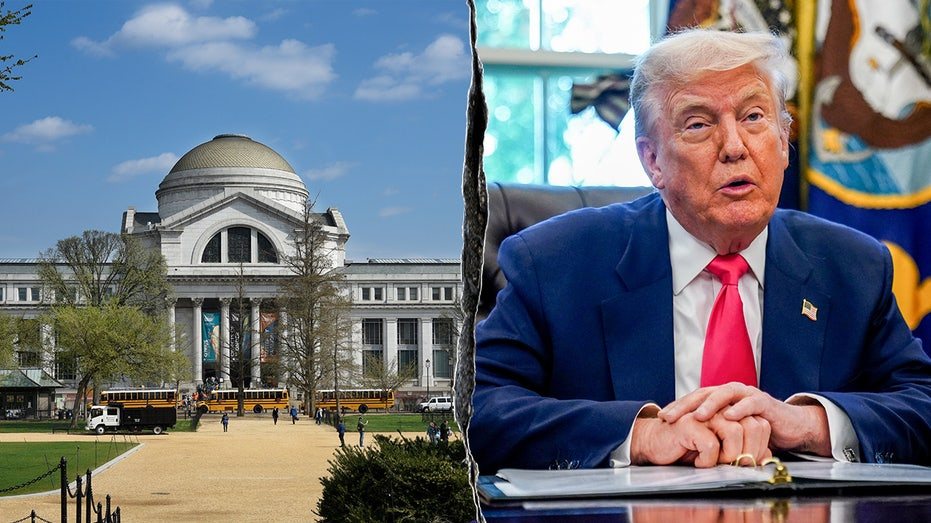
The Smithsonian Institution is facing mounting pressure from Congress and the White House over how it presents American history, with lawmakers accusing the world's largest museum complex of allowing activist ideology to shape its exhibits and programs. The pressure intensified after a House hearing in July and the release of a White House Domestic Policy Council report that detailed what it described as the Smithsonian's capture by radical activist ideology.
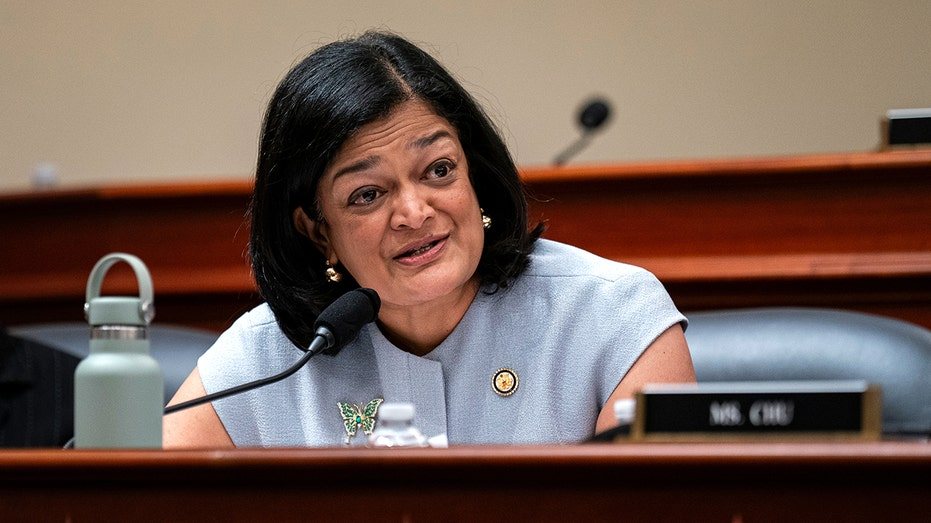
At the center of the dispute is the National Museum of American History, which welcomes between two million and four million visitors a year. During testimony on July 22, museum director Anthea Hartig was asked about an exhibit in the museum's «Entertainment Nation» gallery that says Mickey Mouse was inspired by blackface minstrelsy, a form of entertainment linked to the demeaning of African Americans. Hartig said the Smithsonian does not regard Mickey Mouse as a racist symbol. Republican lawmakers and conservative commentators said the display showed how far the institution had drifted from its mission.
Representative Brandon Gill, a Texas Republican, has become one of the Smithsonian's most outspoken critics. The hearing followed a White House Domestic Policy Council report that detailed what it described as the Smithsonian's capture by radical activist ideology. President Trump has also ordered signs to be placed outside Smithsonian museums amid the dispute over the institution's depiction of American history.
For many conservatives, the Mickey Mouse exhibit is only one example. They note that the National Museum of American History has no permanent exhibit on the Founding Fathers or the signing of the Declaration of Independence. Instead, they argue, the museum and other Smithsonian venues have turned words such as diversity and inclusion into tools for criticizing the United States. The criticism is part of a broader complaint that left-wing views have taken hold in schools, universities and historic sites across the country.
The Smithsonian is not a single building but a sprawling network that reaches far beyond the National Mall. Founded in 1846 with money from the will of British scientist James Smithson, who never visited the United States but left his fortune to create an institution «for the increase and diffusion of knowledge,» it has grown into the world's largest museum and research complex. Today the Smithsonian owns or leases nearly 700 facilities across eight states, Washington, D.C., and Panama, encompassing about 13.6 million square feet of museums, laboratories, archives, warehouses, research stations and support buildings. It holds more than 157 million artifacts and specimens and operates 21 museums, the National Zoo and a network of education and research centers.
The dispute comes as the United States approaches the 250th anniversary of the Declaration of Independence. Critics, including historian Arthur Herman, say the Smithsonian should use the milestone to celebrate the country's founding principles and the stories of women, African Americans, Native Americans and immigrants who pursued the American Dream. Herman wrote in a commentary that the radical left is determined to turn that story into «an extended horror movie» and accused Smithsonian administrators of denying or covering up the problem. He also cited liberal historian Arthur Schlesinger Jr., who wrote more than three decades ago that repudiating the nation's historical inheritance would invite «the fragmentation of the national community» into cultural and linguistic apartheid.
Hartig rejected the claim that Mickey Mouse is presented as a racist symbol in her testimony, a sign that the Smithsonian does not accept the outside characterization of its work. The broader dispute, however, shows little sign of easing. With lawmakers monitoring the institution and the White House publicly involved, the Smithsonian has become the latest battlefield in the fight over how America tells its own history.