ADF asks to join defense of Washington girls' sports measure
The Alliance Defending Freedom has moved to intervene in a King County lawsuit to defend Initiative 638, arguing the state cannot fully represent female athletes' interests.
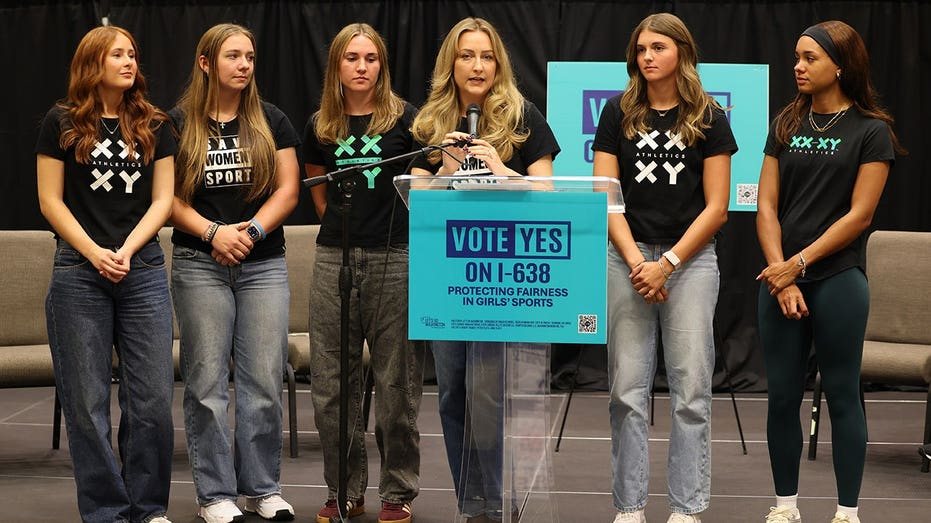
The Alliance Defending Freedom has asked a King County Superior Court judge for permission to join the legal fight over Washington's girls' sports measure, arguing that the state cannot fully represent the interests of female athletes in defending it. The motion, filed Nov. 13 on behalf of the group Female Athletes United, seeks to add the organization as a defendant in a case challenging Initiative 638. The court has not yet ruled on the request.
Initiative 638 would bar biologically male students from competing on school sports teams designated for girls. It also requires that girls' competitors have their sex verified by a healthcare provider. If the measure is upheld, it is set to take effect Dec. 3. The lawsuit, backed by the American Civil Liberties Union, challenges the initiative under the Washington state constitution. Plaintiffs include parents, the advocacy group TransFamilies and the Washington Education Association, the state's teachers' union.
Washington Attorney General Nick Brown has appointed the outside firm Bryan Cave Leighton Paisner to defend the measure. ADF attorney Hal Frampton said the state may not be able to fully present the arguments of the athletes the initiative is meant to protect. Frampton's position rests on the idea that the state's lawyers answer to a broad public interest, while female athletes have a specific stake in how the law is defended. Female Athletes United's motion argues that federal law and Title IX require female-only teams, placing the group's case alongside the state's defense of the law rather than in place of it.
To support its request, the group submitted declarations from five members who describe competing against transgender athletes in their own competitions. Their accounts form the core of the argument that the athletes' perspective needs its own voice in court. Some of those athletes say they may leave their school teams if the initiative is blocked, a consequence the group says would follow directly from any ruling against the measure.
Voters backed the initiative widely, which passed in 36 of Washington's 39 counties. That broad base of support is part of the context in which the motion now asks the court to decide who may speak for female athletes. The underlying constitutional challenge continues to move through the King County court, and the outcome of the intervention request will shape how the defense of the measure is presented as the case proceeds.
Source: foxnews.com
22