Abdul El-Sayed Faces Backlash Over Delayed Tax Return Release in Michigan Senate Race
Abdul El-Sayed, a Democratic candidate for U.S. Senate in Michigan backed by Rep. Alexandria Ocasio-Cortez, is under fire for delaying the release of his tax returns until after the primary, citing complications from his wife's foreign assets. Critics, including opponent Rep. Haley Stevens, question his transparency.
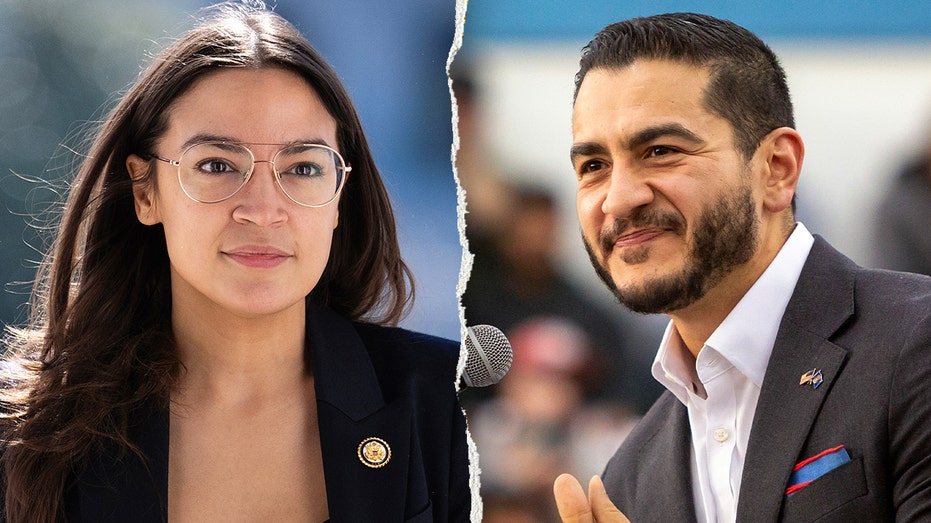
Abdul El-Sayed, a Democratic candidate for the U.S. Senate in Michigan who has secured endorsements from prominent progressive figures such as Rep. Alexandria Ocasio-Cortez and Sen. Bernie Sanders, is facing mounting criticism over his decision to delay the release of his tax returns until after the state's Aug. 4 Democratic primary. The controversy erupted during a recent interview when El-Sayed was pressed on why he had not yet made his tax filings public, a move that opponents and observers argue undermines his calls for transparency in government.
During the interview, El-Sayed explained that his tax situation is complicated due to his wife's ownership of property abroad, specifically a rental property in Bangalore, India. He stated, «Taxes get complicated. My wife and her family own property abroad and getting all those tax forms is a thing.» This explanation, however, has been met with skepticism, particularly given that El-Sayed already filed a Senate financial disclosure in June 2025 that listed the same foreign property. Critics, including investigative reporter Chuck Ross, described the response as «bizarre,» noting that the disclosure already detailed the asset, raising questions about why additional time is needed for the tax returns.
The issue has become a central flashpoint in the Democratic primary race, with opponent Rep. Haley Stevens accusing El-Sayed of a lack of candor. During a debate on Tuesday evening, Stevens highlighted her own release of tax returns and challenged El-Sayed's commitment to transparency. «Transparency is oh so important. This is why I have released my tax returns. My opponent, Abdul. He said that transparency is key, but yet he hasn't released his tax returns,» Stevens said. She further emphasized that she is the only candidate in the race who is not a millionaire, a claim that El-Sayed has not directly refuted.
El-Sayed's financial disclosure, filed in June, reveals a net worth between $580,000 and $1.7 million, including a salary of $278,900 from Wayne County and various assets. His wife's rental property in India is valued between $100,001 and $250,000, generating between $5,001 and $15,000 in income. Another rental property in Ann Arbor, Michigan, worth between $250,001 and $500,000, also brings in similar income. Despite this detailed disclosure, El-Sayed has not released his actual tax returns, which would provide a more comprehensive picture of his finances.
The delay has drawn sharp rebukes from across the political spectrum. Sen. Katie Britt, R-Ala., commented on the situation, saying, «When it comes to actual transparency and investment, the fact that he is saying 'my wife has foreign assets. My wife has investments abroad.' Look, we need to know you have allegiance to the United States of America.» Neera Tanden, president of the Center for American Progress, also weighed in, posting on social media, «Perhaps now would be a good time to ensure that any Dem running for a Senate seat be 1000% transparent well ahead of the primary elections. Releasing your taxes is pretty basic.»
Pro-Israel political commentator Hen Mazzig criticized El-Sayed's response as inconsistent with his working-class image. «Didn't realize being unaware of the extent of your own wealth was a characteristic of the working class,» Mazzig said, referencing El-Sayed's promises to represent everyday Michigan voters against corporate interests. The criticism underscores a broader tension in the race, where El-Sayed has positioned himself as a populist champion while facing questions about his personal finances.
In a separate interview with MS NOW, El-Sayed pledged to release his tax documents before the primary, acknowledging the complexity of the process. «We absolutely will. Sometimes finances are complicated. I can only control what I can control, and unfortunately, when it comes to tax documents, sometimes they are really complicated to get,» he said. However, with the primary just weeks away, the delay continues to fuel doubts about his commitment to transparency, a key issue in the campaign.
The race for Michigan's open Senate seat is seen as a battleground for the Democratic Party's progressive and moderate wings. El-Sayed's endorsements from Ocasio-Cortez and Sanders have energized the left, but the tax return controversy may provide ammunition for Stevens, who is backed by more establishment figures. As the primary approaches, the transparency question is likely to remain a central issue, with voters weighing El-Sayed's progressive credentials against concerns about his financial disclosures.
92