
Yellowstone Bison Recovery Called an 'Incredible Conservation Story' as Herd Thrives
Acting National Park Service Director Jessica Bowron says Yellowstone's wild bison have rebounded from near extinction to a thriving herd, with more than 600 animals transferred to 29 tribes since 2019. The conservation challenge has shifted from saving the species to managing its success.
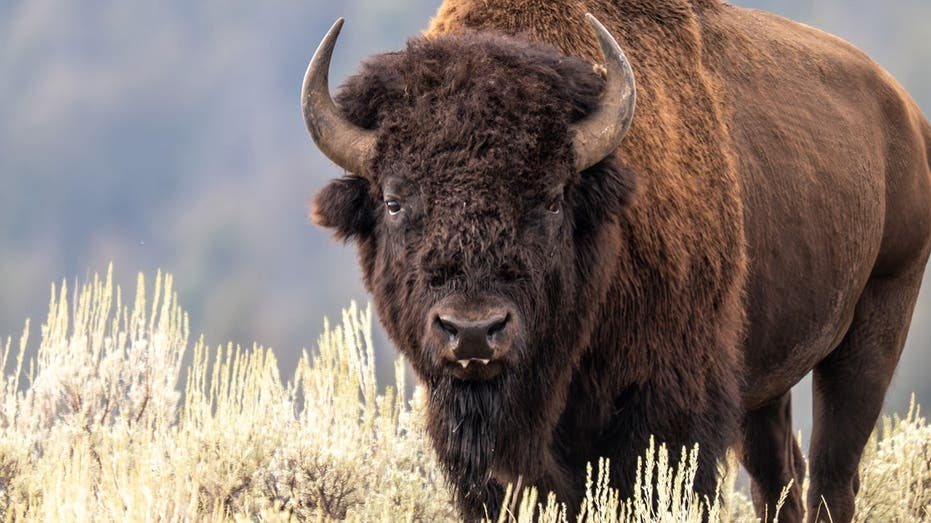
Yellowstone's wild bison have come back from the brink of extinction, and the acting director of the National Park Service is calling the turnaround an «incredible conservation story» that has reshaped how wildlife managers approach the species.
Jessica Bowron, the agency's acting director, said in an interview that the recovery took decades of careful scientific work and cooperation among the Park Service and its Tribal, state, local and federal partners. After millions of bison once roamed the Great Plains, the animals were nearly wiped out across their historic range. A little more than a century ago, Yellowstone's herd was hanging on by a thread.
«To show up at Yellowstone today and have the experience as a visitor of seeing a wild bison in a functioning ecosystem, I don't know that we could have predicted that 100 years ago,» Bowron said.
Today, thousands of bison roam the park, and the conservation challenge has shifted from simply saving the herd to figuring out how to manage a thriving one. Bowron said the work at Yellowstone is now largely about successfully managing the healthy herd that already exists alongside all of the agency's partners.
That success is also helping build conservation herds far beyond the park's boundaries. Through the Bison Conservation Transfer Program, Yellowstone works with Tribal partners to relocate live bison that have completed the necessary quarantine process. Since 2019, more than 600 bison have been transferred to 29 tribes across 13 states, according to Bowron. More than 200 were transferred in 2026 alone.
«This is one of the coolest parts of this entire conservation effort,» Bowron said. Once the animals are transferred, each tribe can manage its herd according to its own priorities and sovereignty, she explained.
«It's a great example of how we're able to establish and expand conservation herds through that kind of partnership,» she said.
The Park Service continues to pursue live-transfer opportunities with tribes interested in establishing or expanding conservation herds. But conservation success does not mean the work is finished. In some places, rebuilding the population remains the goal, while at Yellowstone the focus has moved to management of an abundant herd.
Bison do not recognize Yellowstone's boundary lines. They move across a massive landscape, meaning that managing a successful herd requires cooperation among the Park Service and the many communities and agencies surrounding the park. That reality has made coordination a central part of the agency's approach as the population has grown.
The Yellowstone story is also a reminder that conservation wins do not happen overnight. Bowron said rebuilding bison populations has taken decades of scientific monitoring and cooperation among Tribal, state, local and federal partners. Even after a species rebounds, the work changes rather than disappears.
For generations, the question was whether wild bison could survive at all in places like Yellowstone. Now, wildlife managers are dealing with a very different question: what do you do when the comeback works? The fact that there is a healthy herd to manage, and enough animals to help establish conservation herds elsewhere, would have been difficult to imagine a century ago.
For visitors who have ever sat in Yellowstone traffic because a bison decided the middle of the road belonged to him, it might be easy to forget just how close America came to losing that experience entirely. Today, seeing those animals wander through the park feels almost inevitable. It was not always so.
6