
Vitruvias Thyroid Medicine Recall Reaches U.S. Patients
Americans using Vitruvias Thyroid Tablets, USP 30 mg are being told to check a specific lot after the company found a potential superpotency problem.
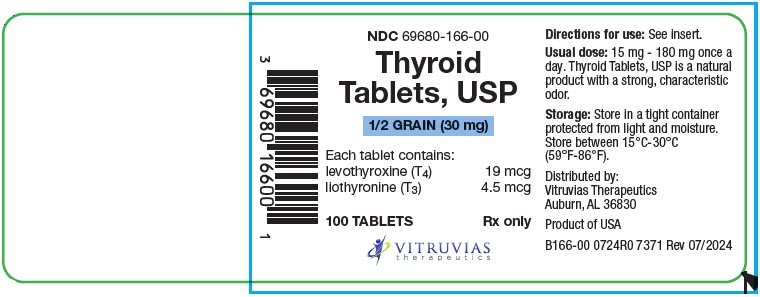
Americans who take Vitruvias Thyroid Tablets, USP 30 mg have a very specific bottle check to make: NDC 69680-166-00, lot 504950, expiration September 30, 2026. Vitruvias Therapeutics is recalling that lot nationwide after testing confirmed the possibility that the tablets are superpotent.
The voluntary recall was announced by the company on August 21 and posted by the U.S. Food and Drug Administration on August 24. It reaches the consumer level, meaning the concern is not confined to warehouses or pharmacies. Vitruvias reported that 3,655 units from the lot were released and 1,955 were sold. Distribution to the company’s direct U.S. accounts ran from January 31 to September 30, 2025.
The problem is not that thyroid hormone is present in the medication; that is the purpose of the prescription. The problem is the possibility that the dose is stronger than the label intends. Thyroid hormone replacement has a relatively narrow margin for dosing errors because too little hormone may leave hypothyroidism undertreated, while too much can push the body toward hyperthyroidism.
Vitruvias Thyroid Tablets are made from porcine thyroid glands and contain both levothyroxine, known as T4, and liothyronine, known as T3. The 30 mg strength is labeled to contain 19 micrograms of T4 and 4.5 micrograms of T3 in each tablet.
Too much thyroid hormone can accelerate the body’s metabolism and put extra strain on the cardiovascular system. The recall notice lists weight loss, heat intolerance, fatigue, nervousness, muscle weakness, high blood pressure, chest pain, rapid heart rate and rhythm disturbances among the possible effects of a superpotent tablet.
The risk is not equal for everyone. FDA’s posted notice says elderly patients, pregnant women and infants may face greater danger, especially if an excessive dose is taken over an extended period. In older adults, excess thyroid hormone is associated with cardiac harm. Overtreatment during pregnancy has been associated with premature delivery and low birth weight, while overtreatment in infants can negatively affect growth and development.
There is one reassuring point in the notice: as of the recall announcement, Vitruvias said it had not received reports of adverse events known to be linked to the affected lot.
The recall is also occurring against a larger regulatory backdrop. FDA says animal-derived thyroid medications such as desiccated thyroid extract are not FDA approved. The agency estimates that about 1.5 million U.S. patients received prescriptions for animal-derived thyroid products in 2024. FDA says professional medical society guidelines recommend synthetic levothyroxine as the preferred treatment for hypothyroidism.
That broader issue does not change the immediate advice for someone holding the recalled product. Patients should not abruptly stop taking thyroid replacement simply because their bottle matches the product name. The recall applies to the identified 30 mg lot, and FDA says patients taking tablets from that lot should contact their healthcare provider before discontinuing treatment so they can receive guidance or a replacement prescription.
People who believe they have experienced a reaction related to the medicine should contact their physician or healthcare provider. Problems can also be reported to FDA MedWatch.
The key distinction for U.S. patients is simple but important: this is a nationwide recall, yet it is targeted to one lot. Checking the NDC, lot number and expiration date is more useful than reacting to the brand name alone. A matching bottle calls for prompt contact with a clinician or pharmacy, not an unsupervised break in thyroid therapy.
94