Trump Administration to Unveil Looser Fuel Economy Standards
The Trump administration is set to release new fuel economy rules that would lower the fleetwide average to about 34.5 mpg by 2031, down from 50.4 mpg under Biden-era standards, drawing sharp criticism from environmental groups.
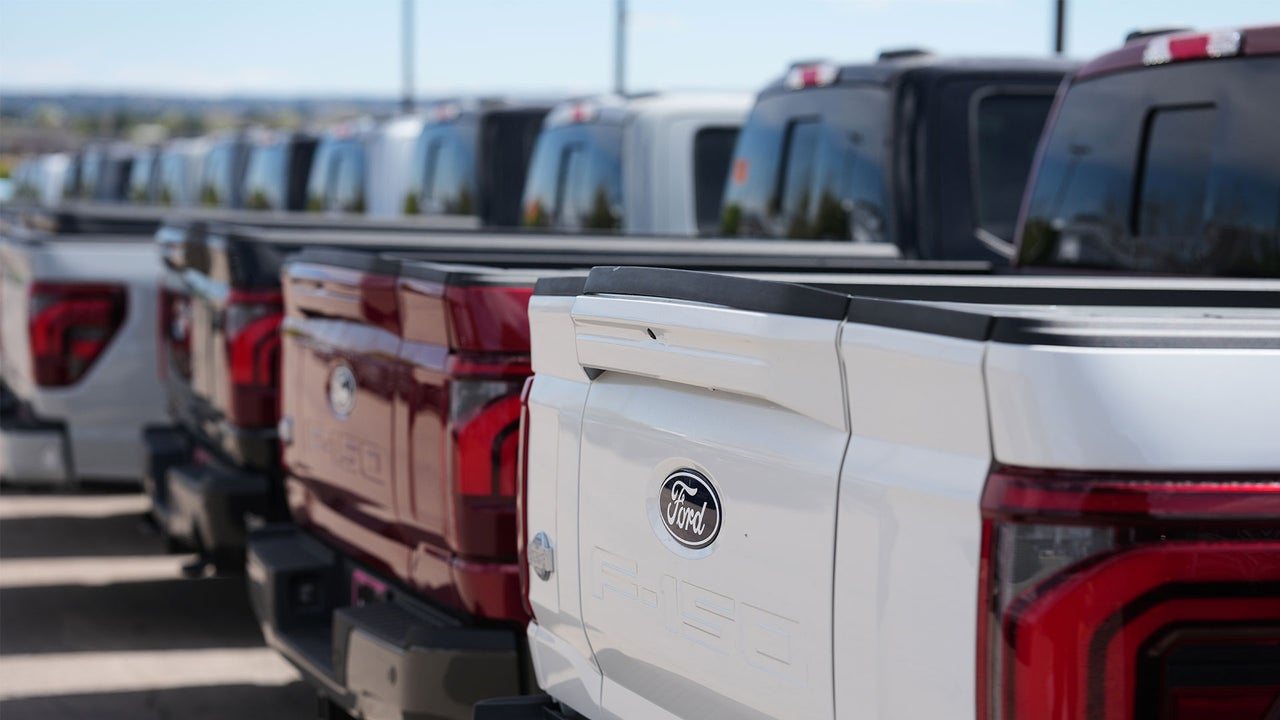
The Trump administration is preparing to release new fuel economy standards that would relax requirements for automakers to control pollution from gasoline-powered cars and light trucks, a move that would significantly lower the industry's fleetwide mileage targets and further unwind Biden-era climate policies.
President Donald Trump said on his Truth Social account that the less stringent mileage requirements would «take the waste out of building cars in America» and save families «thousands on a new, beautiful and safe car,» while boosting auto production in the United States. Transportation Secretary Sean Duffy confirmed on X that the changes would be announced Monday.
According to projections released last December by the National Highway Traffic Safety Administration, the new standards would set the industry fleetwide average for light-duty vehicles at roughly 34.5 miles per gallon in the 2031 model year. That is down sharply from a projected 50.4 miles per gallon in 2031 under rules put in place by the Biden administration. Fuel economy requirements determine how far new vehicles must travel on a gallon of gasoline.
The change would further fulfill Trump's promise to revoke policies that encouraged or created incentives for electric vehicle production. Since taking office, Trump has relaxed auto tailpipe emissions rules, repealed fines for automakers that fail to meet federal mileage standards, and terminated consumer credits of up to $7,500 for EV purchases. The administration and automakers have argued that the new rules will increase Americans' access to the full range of gasoline vehicles they need and can afford.
The timing of the announcement comes as consumers face rising costs. The average new car in America sold for $50,089 in August, crossing over the $50,000 line for the first time since last December, according to Kelley Blue Book data. At the same time, Americans are spending more on gas as Washington's war with Iran disrupts the global flow of fuel. The national average price for a gallon of gas was $4.47 on Sunday, up from $4.09 a month ago, according to AAA.
Trump has repeatedly pledged to end what he falsely calls an EV «mandate,» referring incorrectly to President Joe Biden's target that half of all new vehicle sales be electric by 2030. No federal policy has mandated that auto companies sell EVs. According to data from the automotive research group Edmunds, EVs accounted for 6.5% of new vehicle sales in February, down from 7.4% for all of 2025.
News of the revised standards immediately drew rebukes from environmentalists. Dan Becker, director of the Center for Biological Diversity's Safe Climate Transport Campaign, said the final rule «ignores the feasibility of clean technology and the millions of fuel-efficient cars already on the road.» He added that «Trump is tanking sensible mile per gallon standards at the worst possible time for consumers, who are getting hit with sky-high prices at the pump.» Becker also said consumers will pay the price for the rollbacks while «Trump's Big Oil and Big Auto buddies reap the short-term profits.»
Katherine García, director of the Sierra Club's Clean Transportation for All campaign, vowed the environmental group would fight the rule and said the loosening of fuel standards would «make driving more expensive too.» She wrote that «less fuel-efficient cars mean more gas burned, spending more at the pump, and dirtier air in our communities.»
When the 2024 standards went into effect, NHTSA estimated they would save 14 billion gallons of gasoline from being burned by 2050. The agency also said that while new fuel-efficient vehicles cost more up front, savings on gasoline over the lifetime of the car or truck would more than make up for that. Without these standards, in 2035, cars could produce 22,111 more tons of carbon dioxide per year than under the Biden-era rules. That also translates to an extra 90 tons a year of deadly soot particles and 4,870 additional tons a year of smog components such as nitrogen oxides and volatile organic compounds emitted into the air in coming years.
Mileage standards, known as the corporate average fuel economy, or CAFE, have been implemented since the 1970s energy crisis, and over time, automakers have gradually improved their vehicles' average efficiency. The White House, Department of Transportation, and NHTSA could not immediately be reached for comment on the details of the new standards. General Motors, Stellantis, and Ford Motor, maker of the top-selling pickup truck, the F-150, also could not be immediately reached for comment.
6