
Startup Puts Changeable QR Codes on Clothing to Create Wearable Digital Profiles
ShareAScan, founded by two sisters, prints unique QR codes on T-shirts and merchandise that link to digital content owners can update at any time, turning apparel into a dynamic introduction, portfolio or business card.
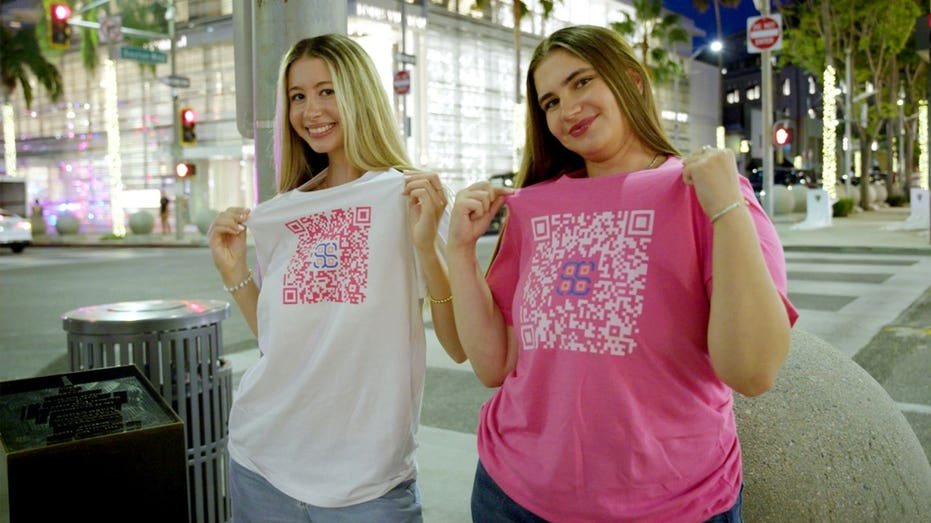
A startup is betting that the next connected device people carry will not be a watch or a pair of glasses but the shirt on their back. ShareAScan prints unique QR codes on apparel and merchandise, letting anyone who scans the code with a smartphone camera open a digital profile that the owner can change whenever they want.
The company was founded by sisters Shara and Kailey Zuckerman. Shara is a college student studying business, finance and artificial intelligence, while Kailey is still in high school. Their platform, which the company describes as patent-pending, connects physical products with dynamic, user-controlled digital identities. The idea is simple on its surface: a printed code on a T-shirt, hoodie, hat or mug becomes a gateway to text, photos, video, music, a portfolio, social content or information about a business.
What separates ShareAScan from a static printed web address is that the destination behind the code is not fixed. The physical QR code stays the same, but the owner can update what appears when it is scanned. Someone could use a shirt to share a portfolio at a conference and later change the content to promote a project or an event. The company says a single product can serve as a changing introduction, a personal message or a business card.
The concept gained wider attention this month when ShareAScan merchandise was included in gift bags distributed around the 78th Emmy Awards. The items went into bags for nominees, presenters and performers, giving the young company a dose of exposure alongside far more established brands.
Using the products requires no special application. A person scans the code with the camera already built into a smartphone. ShareAScan says purchases start at $19, and customers who buy under the current model will not face an ongoing subscription fee. The company also says those customers will not later be charged a subscription even if terms change for future buyers.
Privacy has been a central question for any technology that links a person's physical appearance to an online profile. ShareAScan says scans are anonymous and that it collects no information about the scanner unless an owner's access restrictions require the company to check whether that scanner is permitted to view the content. If someone lacks permission, that person simply does not receive access. The company also says it does not currently provide wearers with scan analytics, meaning a shirt does not generate a dashboard showing who walked by and scanned the code.
Owners can choose who gets access to their content and can delete their account and associated data entirely. Even so, the company notes that what a wearer chooses to reveal matters. If someone makes a full name, workplace, photos or social accounts publicly available, a stranger who scans the code may learn a great deal. ShareAScan advises users to view the experience from a stranger's perspective before wearing connected clothing in public.
The company also addressed how its codes handle outside links. ShareAScan says its QR codes cannot point directly to an outside website. Scanning first opens the experience hosted through its platform, though content inside that experience can include links. The company says it scans uploads for malicious links, phishing links, pornography and other inappropriate material, and that people review flagged material. ShareAScan acknowledges that its screening cannot catch everything.
That setup differs from a random QR sticker that sends a browser straight to an unknown website. The Federal Trade Commission continues to warn that criminals use QR codes to direct people to fake sites designed to steal passwords, financial information and other personal data. The agency's guidance remains relevant even as scanning codes has become second nature for many smartphone users.
For ShareAScan, the larger significance goes beyond an awards-show gift bag. The company's merchandise represents another step in a broader trend of physical products gaining a digital layer that can change long after a purchase. A business owner could wear a shirt that introduces a company. A creator could share recent work. A conference attendee could use one as a digital introduction, while a musician could share new content or an organization could promote an event. Because the material behind the code can be updated, the same physical product can take on different purposes over time, giving ordinary clothing a capability it never had before.
4