Nepal begins mass burials of flood victims as death toll passes 1,000
Nepal is burying hundreds of unidentified bodies in mass trenches after catastrophic flooding killed at least 1,003 people and left nearly 4,000 missing, including hundreds of foreign nationals.
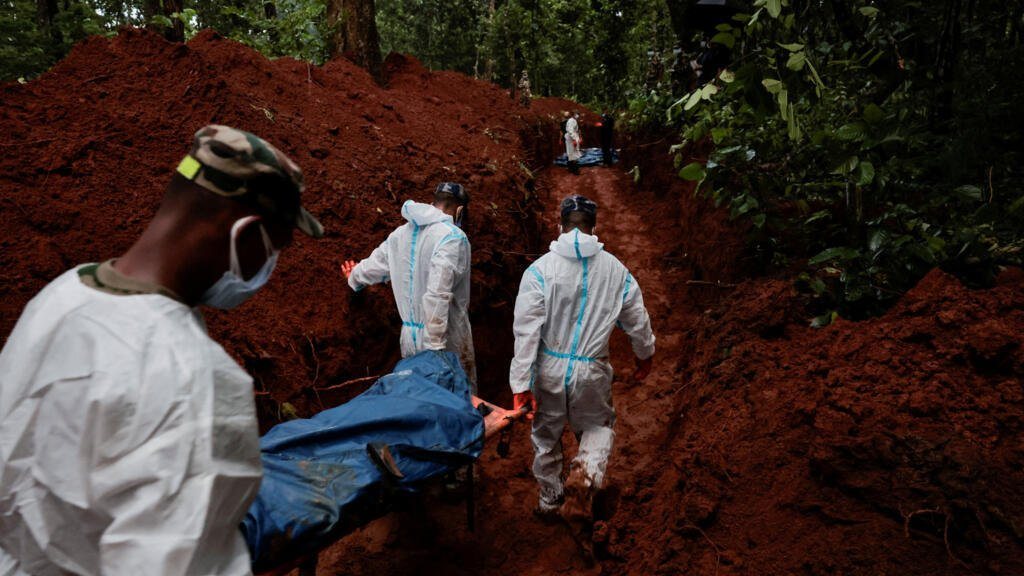
Nepal has begun burying dozens of unidentified bodies in mass trenches as the country grapples with the aftermath of catastrophic flooding that has killed more than 1,000 people and left thousands more missing. The disaster agency confirmed that 1,003 deaths have been counted, with 3,916 people still unaccounted for, including 583 foreign nationals. Rescue crews are working through unstable terrain and piles of debris to recover remains and search for survivors, though officials acknowledge that the scale of the destruction is overwhelming local capacity.
The burial operations come as authorities race to prevent public health risks posed by decomposing bodies in flood-hit areas. Cremation is the traditional practice in Nepal, but the sheer number of victims and the condition of the remains have forced officials to resort to trench burials for those who cannot be identified or claimed by relatives. Disaster management teams have been digging multiple trenches at designated sites, with each one capable of holding dozens of bodies. Local volunteers and humanitarian workers are assisting with the grim task, documenting whatever personal effects they can find in hopes of helping families later identify their loved ones.
The flooding, triggered by days of relentless monsoon rain, has devastated wide swaths of the country, washing away homes, roads, and bridges. Entire villages have been submerged or buried under mudslides, leaving survivors without shelter, food, or clean water. The government has deployed military units to the worst-affected districts, but access remains difficult in mountainous regions where landslides have cut off entire communities. Aid agencies on the ground describe a long road to recovery, with reconstruction expected to take months if not years.
Nepal's disaster agency said the official count is likely to rise as search teams reach more isolated areas. The confirmed death toll of 1,003 already makes this one of the deadliest flood events in the country's recent history. Among the missing are 583 foreign nationals, many of whom were trekkers and tourists caught in the deluge. The government has set up a dedicated helpline for families abroad seeking information about their relatives, though officials caution that communication with remote districts remains sporadic.
In neighboring China, the same weather system has caused severe flooding in Tibet, where authorities reported 16 deaths and 546 missing, including 261 foreigners. The contrast in how the two countries are handling the crisis has drawn international attention. While Nepal has opened its borders to foreign rescue teams and media coverage, China has restricted access to the affected areas and imposed strict controls on information about the disaster. International observers have noted that the transparency in Nepal has helped mobilize global aid, whereas the lack of reliable data from China has complicated relief efforts there.
For now, the immediate focus in Nepal remains on recovery and identification. Forensic teams are collecting DNA samples from the buried bodies, and officials have urged families to come forward with descriptions of missing relatives. The government has promised financial compensation to the families of the deceased, though the bureaucratic process is expected to be slow. Humanitarian organizations are calling for sustained international support, warning that the coming weeks will be critical for preventing disease outbreaks and providing basic necessities to hundreds of thousands of displaced people.
82