Midterm Elections Test US Media as Trump Bars Three Outlets and Money Floods Races
In-person voting has begun for the Nov. 3 midterms as President Trump bans CNN, MS NOW and Politico from the White House, while billionaires pour money into political advertising and one former CEO funds a fact-checking nonprofit.
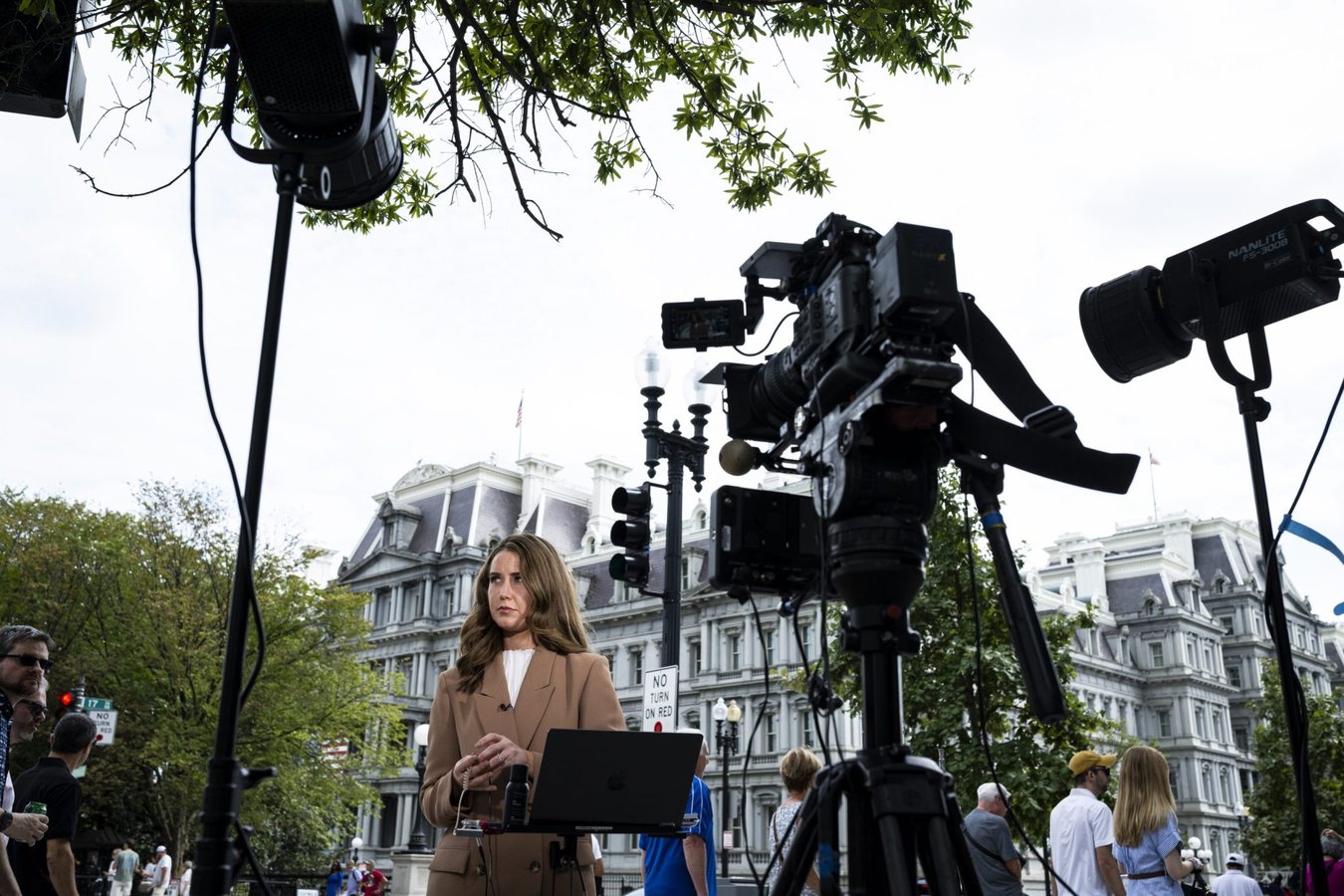
In-person voting for the Nov. 3 midterm elections began Friday, the same day President Donald Trump announced that CNN, MS NOW and Politico would be barred from the White House. Journalists from those outlets were denied entry and had their credentials deactivated on Saturday, according to reports. The move marks the latest in a series of actions against independent journalism, as the president has filed lawsuits and claims demanding more than $70 billion since declaring his candidacy in November 2022.
The ban is part of a broader stress test for American media, which is already contending with the rise of artificial intelligence, disinformation and shifting business models. Trump has also been sued over selling sneak peeks of his Truth Social posts for as much as $100,000 a month. The White House did not respond to requests for comment on the credential revocations.
Meanwhile, the flow of money into political advertising is shaping the information environment. The Supreme Court's 2010 Citizens United v. FEC ruling lifted caps on independent political spending by corporations, unions and individuals. That decision enabled Elon Musk to donate more than $291 million to Republican candidates, political action committees and other outside spending organizations during the 2024 election, according to OpenSecrets. The scale of such donations has raised concerns about the ability of wealthy donors to dominate the narrative.
Not every billionaire is channeling wealth into partisan influence. Former Microsoft CEO and Los Angeles Clippers owner Steve Ballmer has spent more than $100 million to build and fund USAFacts, a nonpartisan, nonprofit initiative to combat political disinformation. In August 2024, shortly after launching a «Just the Facts» video series, Ballmer told Fortune that his goal was to help journalists and «get people educated, at a minimum.» His effort stands in contrast to the massive political spending by other billionaires.
Ballmer is now in the news for a different reason: the NBA suspended him for a year and severely penalized the Clippers for circumventing salary-cap rules. Independent journalist Pablo Torre uncovered the story and won a Pulitzer Prize for his work, reinforcing the importance of holding corporate leaders and politicians accountable.
The quality and accuracy of information voters receive matters. For example, Trump has traded more stocks since returning to office than every member of Congress combined, making 28,700 trades in 17 months, or about 80 trades every market day, according to a Bloomberg analysis. That kind of detail is unlikely to come from official White House channels.
Scandals have also shaped races on both sides. A Politico report on sexual assault allegations forced Democrat Graham Platner to withdraw from the U.S. Senate race in Maine. Such reporting illustrates the role of a free press in vetting candidates, even as outlets face pressure from the White House and financial strain from technological change.
Trump is not the first leader to demand deference and attack journalists as corrupt «enemies of the people» for doing their job. But the combination of executive pressure, unlimited political spending and a fragmented media landscape makes the 2026 midterms a critical test of what kind of information system Americans are willing to accept. With in-person voting underway and Nov. 3 approaching, the stakes extend beyond any single race to the health of the country's democratic discourse.