
Maine Teen Is First Juvenile Federally Detained in 764-Linked Case
The FBI says a 17-year-old became the first juvenile in the United States federally charged, adjudicated and detained for acts linked to the 764 network.
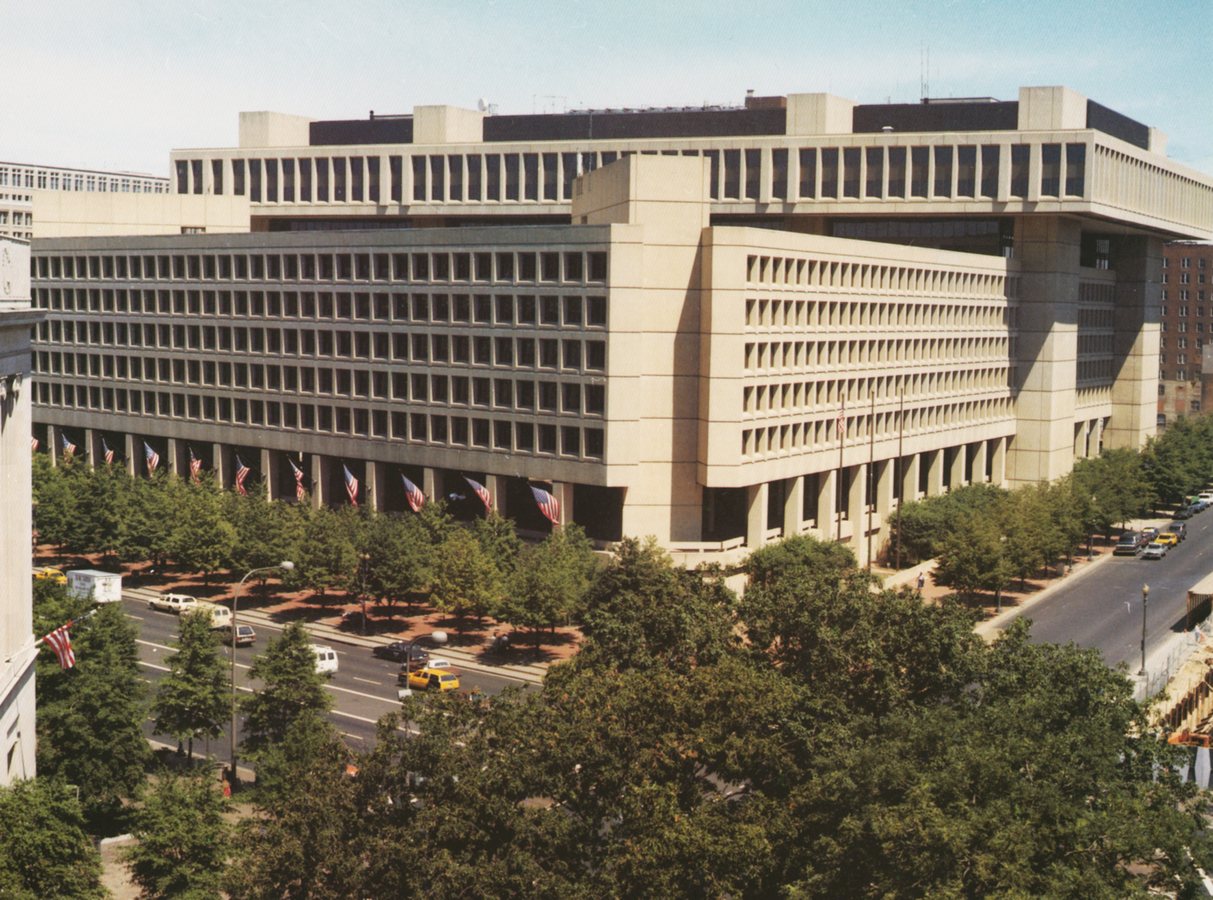
A 17-year-old from Maine has become the first juvenile in the United States to be federally charged, adjudicated and detained for acts tied to nihilistic violent extremist groups in the 764 network, according to the FBI. The case puts a concrete criminal record behind a threat that has often been described through online subcultures, obscure symbols and fragmented chat groups.
Federal authorities said the juvenile admitted responsibility for conduct that included conspiring to sexually exploit a child, exploiting and enticing a child, distributing child sexual abuse material, making interstate threats, cyberstalking and identity theft. Because the defendant is a minor, the FBI did not release the teenager’s identity. The court ordered detention followed by a period of supervision.
The significance of the case goes beyond the legal milestone. The FBI describes 764-linked groups as part of a broader nihilistic violent extremist environment in which vulnerable young people can be targeted online, manipulated and pushed toward escalating abuse. The same ecosystem has drawn attention from European authorities, who are increasingly treating violence-for-status communities as a distinct security challenge.
There is a temptation to understand 764 through its most shocking imagery. Some channels use occult, Satanic or neo-Nazi symbols. The Anti-Defamation League, however, says the network’s core worldview is more consistently marked by nihilism and misanthropy. Its research also cautions that not every participant who displays Order of Nine Angles imagery is a committed adherent of that ideology. In some cases, the symbols function as provocation, aesthetic identity or a badge of status inside a group where transgression itself carries value.
That distinction matters because the criminal behavior alleged in cases like the Maine proceeding is not symbolic. It involves real victims, coercion and exploitation. The FBI’s list of offenses shows how a digital subculture can move from disturbing content into direct interpersonal harm: stalking, threats, sexual exploitation and the circulation of abusive material.
The juvenile case also complicates the simple division between “dangerous perpetrators” and “at-risk children.” Minors can be both vulnerable to grooming and capable of serious harm. Investigators and child-safety specialists increasingly describe recruitment patterns in which young people are first drawn in by belonging or attention and later pressured to demonstrate loyalty by harming themselves or others, humiliating victims or recruiting new participants.
Federal law enforcement has not characterized every 764 participant as a terrorist, nor does the network operate like a conventional hierarchical organization. The emerging challenge is precisely that the ecosystem overlaps categories: child exploitation, cybercrime, threats, extremist aesthetics and violence can appear in the same online spaces without a single command structure.
The Maine ruling gives U.S. authorities a precedent for treating a juvenile’s involvement as a federal matter when the underlying conduct meets federal criminal standards. It also raises a harder prevention question. By the time an online identity has become a record of exploitation, stalking and threats, the damage has already moved far beyond edgy content. The next test for schools, parents, platforms and law enforcement is whether warning signs can be recognized before status-seeking inside a violent network becomes criminal action.
72