At least 98 dead, hundreds missing after Nepal-Tibet floods
Flash floods and debris flows along the Nepal-Tibet border have killed at least 98 people and left hundreds missing as rescue teams search damaged Himalayan communities.
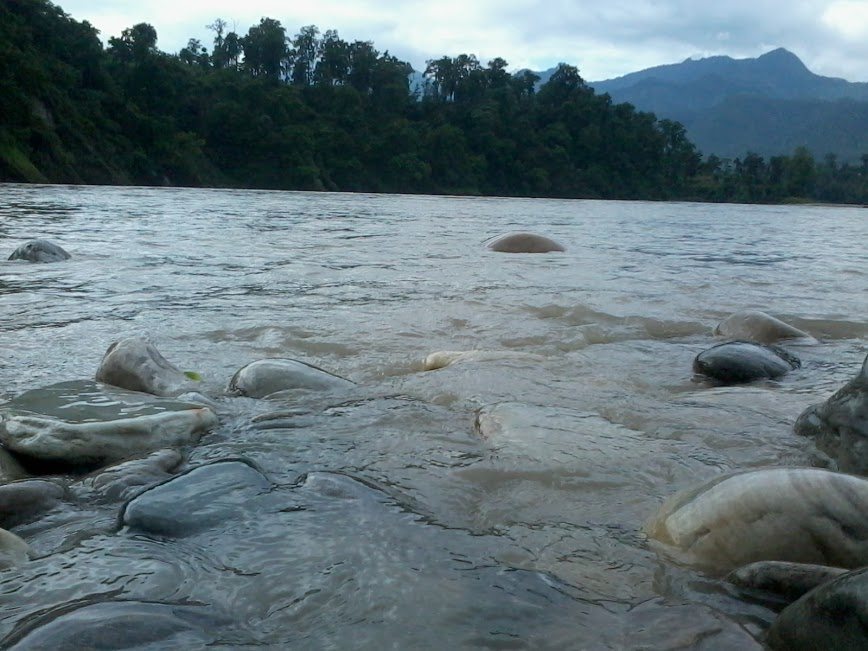
A catastrophic wall of water, mud and rock swept through communities along the Nepal-Tibet border on Wednesday, killing at least 98 people and leaving hundreds unaccounted for as rescue teams struggled to reach settlements cut off by damaged roads and bridges.
The latest Associated Press count put the death toll at 95 in Nepal and three in China’s Tibet region. Nepalese officials said 403 people were missing on their side of the border, including 341 foreign nationals. China’s state broadcaster CCTV reported another 265 people missing in Gyirong County, a key border area in Tibet. The figures changed rapidly through the day and could rise again as communications are restored.
The disaster hit a mountain corridor used by villagers, hydropower workers, traders and tourists. Many of the missing foreigners were traveling through the region for trekking or pilgrimage, including journeys toward Mount Kailash. Nepal’s tourism authorities were trying to reconcile tour-company lists, immigration records and reports from families while telephone and road connections remained unreliable.
In Nepal, the flood tore through parts of Rasuwa and Nuwakot districts. Houses, vehicles and stretches of road were buried or swept away. The Bhote Koshi river feeds into the Trishuli, carrying water south through one of the country’s steepest and most vulnerable river systems. Officials ordered people in low-lying areas to move to safer ground because another surge remained possible.
What set off the flood is still being investigated. Preliminary analysis cited by Nepalese disaster officials and scientists points to an ice-and-rock or snow-and-rock avalanche in the Lhende river basin upstream. One possibility is that debris temporarily blocked the river, allowing water to build behind it before the natural dam failed. Scientists have stressed that the trigger for the avalanche itself has not been established.
A magnitude 4.4 earthquake was recorded in the broader region shortly before images of the disaster emerged. That timing has prompted investigators to examine whether shaking played a role, but there is no confirmed causal link. Treating the earthquake as the established cause would go beyond the evidence available so far.
The flood also hit Nepal’s energy system. The country’s energy ministry said roughly 430 megawatts of hydropower capacity was affected, more than 12% of national hydropower capacity. That matters beyond the immediate search operation: damaged projects and access roads can take months to repair in steep Himalayan terrain, especially during the wet season.
Nepal mobilized soldiers, police and emergency crews, while China launched its own rescue operation in Tibet. Mud, unstable slopes and high river levels complicated helicopter access. Nepal also sought help from neighboring countries as families waited for news of relatives and tour groups that had stopped communicating.
The border corridor has experienced deadly flooding before. A major Bhote Koshi flood last year was later linked to the draining of a supraglacial lake. That does not mean Wednesday’s disaster had the same cause, but it has renewed concern over how quickly hazards can develop in a warming Himalayan environment and how little time downstream communities may have to react.
For now, the central task is still search and rescue. Officials are trying to establish who was in the affected valleys, which communities remain isolated and whether water is building behind another blockage upstream. The answers will determine both the final toll and whether residents along the river can safely return home.
83