Samsung Posts Record $80.5 Billion Quarterly Profit on AI Chip Demand
Samsung Electronics reported a record quarterly operating profit and revenue, driven by surging demand for memory chips used in artificial intelligence systems, as rival SK Hynix also posted record results.
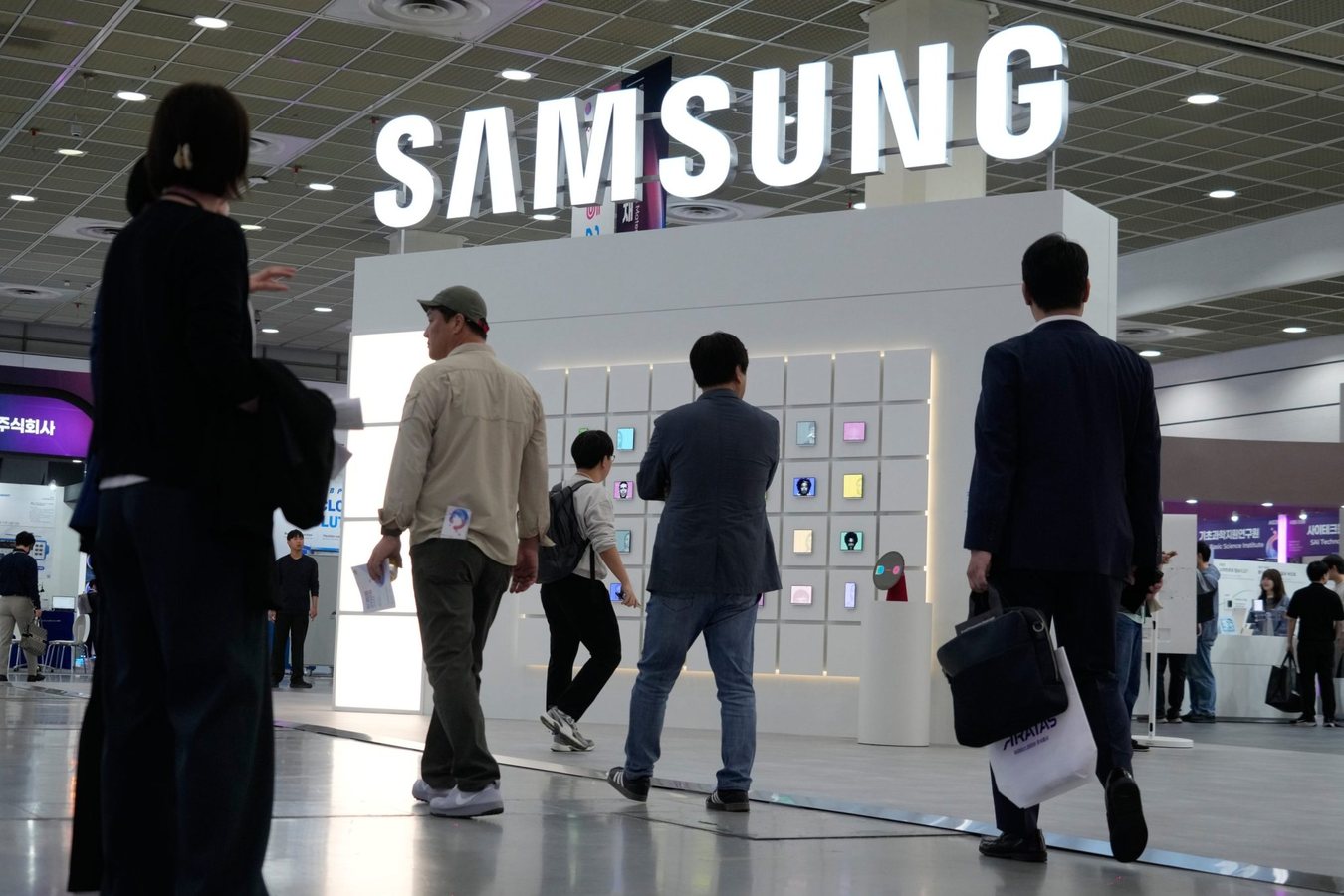
Samsung Electronics said Thursday that its operating profit for the July-September quarter reached a record 107.4 trillion won, or about $80.5 billion, fueled by strong demand for the computer memory chips that power artificial intelligence systems. Revenue for the period also hit an all-time high of 195.3 trillion won, or roughly $146 billion. It marked the company's fourth consecutive quarter of record profit and revenue, a run that underscores how quickly the AI boom has reshaped the fortunes of the world's largest chipmakers.
The results were disclosed in a regulatory filing a day after domestic rival SK Hynix reported its own record third-quarter profit. Together, the two South Korean semiconductor giants control about two-thirds of the global memory chip market, and both are facing what the company's own reporting describes as seemingly insatiable demand for their products amid the worldwide AI boom. The parallel results highlight how concentrated the industry's most profitable segment has become in South Korea.
In a statement, Samsung said it expects demand for its AI-related chips to accelerate through 2027, outpacing supply as clients race to expand their AI infrastructure. That imbalance between demand and supply is the core of the company's outlook. The company said it will concentrate on supplying advanced memory chips and storage products used in AI servers, including high-bandwidth memory chips, server DRAMs and solid-state drives. Each of these products sits at the center of the data centers that technology companies are building to train and run AI models.
The surge in orders is also pushing South Korean technology companies to make major investments in manufacturing facilities and data centers as the country expands its AI ambitions. In June, Samsung and SK Hynix announced plans to invest a combined 800 trillion won, or about $599 billion, in a new chipmaking hub in the country's southwest to capitalize on AI-driven demand. The scale of that commitment shows how far the two companies are willing to go to secure capacity ahead of the next wave of orders.
Not everyone is convinced the spending will pay off. Some analysts question whether the investments will ultimately generate returns that justify their scale, particularly if the pace of AI infrastructure spending slows. South Korea's central bank has also warned that the country's trade-dependent economy is becoming too reliant on semiconductors. In its assessment, the bank said this dependence could deepen the damage of any AI-related downturn, leaving exports and growth more exposed to shifts in a single industry.
The tension between record earnings and long-term risk defines the moment for Samsung and its rivals. For now, the company's filing shows that demand for AI hardware remains strong enough to lift profits to levels rarely seen in the semiconductor sector, while the broader question of whether that demand can be sustained through 2027 and beyond remains open.
7