
Russia Could Control 36% of Uranium Mining by 2040
A new control-based analysis says Russia’s reach in uranium mining is far larger than its domestic output share, with Kazakhstan and planned African projects central to the risk.
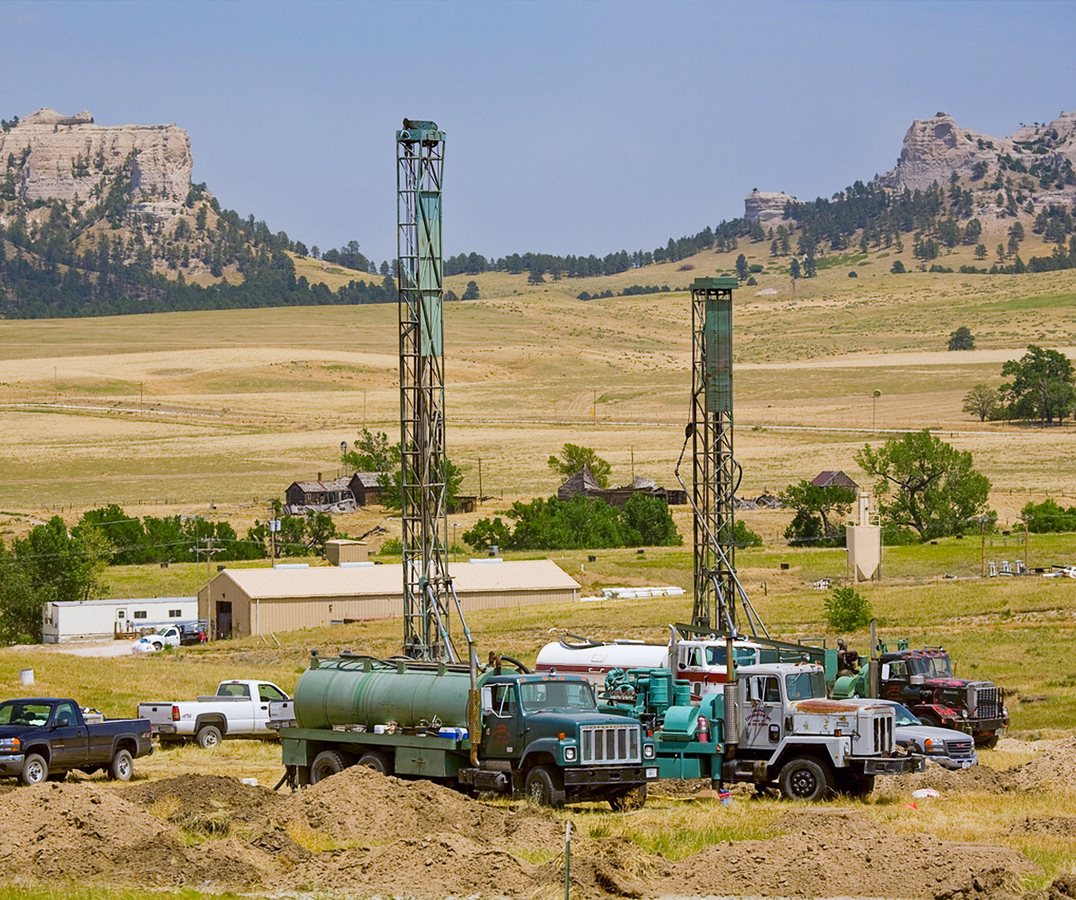
Russia’s share of uranium mined inside its own borders looks modest on a conventional league table. World Nuclear Association data put Russian production at 2,738 tonnes in 2024, about 4.5% of the global total. A new analysis from the Centre for Strategic Advantage argues that this figure misses the more consequential question for nuclear supply security: who controls, influences or has a stake in the mines that feed the market.
Using that control-based approach, the British think tank estimates that Russian influence already reached close to a quarter of global uranium mining capacity in 2024. Its central scenario says the share could rise to about 36% by 2040 if agreed, developing and prospective projects move ahead and reach their expected output. The number is not a forecast carved in stone. It is a scenario built around ownership, joint ventures and projects that still have to overcome political, technical and commercial hurdles.
Kazakhstan is the biggest reason the two measures diverge. It produced 23,270 tonnes of uranium in 2024, roughly 39% of world output. Uranium One, part of Rosatom, participates in major Kazakh operations through joint ventures with Kazatomprom. World Nuclear Association figures put Uranium One’s foreign production at 5,829 tonnes in 2024. That means a company ultimately controlled by the Russian state has exposure to substantial output that appears under Kazakhstan, not Russia, in country-by-country statistics.
Africa could expand that footprint, but the status of the projects matters. Uranium One’s Mkuju River project in Tanzania is still being developed; a pilot uranium processing facility was launched in July 2025, while commercial mining has not yet begun. In Namibia, the company is conducting geological exploration in the Aranos Basin rather than operating a producing mine. In Niger, Uranium One and the state uranium company TNUC signed a memorandum in December 2025 covering permits, exploration and possible future mines. That agreement creates an opening, not current Russian control over Nigerien output.
For the United States, the issue sits upstream of a policy already aimed at the fuel cycle. Washington’s ban on imports of Russian low-enriched uranium took effect in August 2024 and runs through 2040, with only limited waivers allowed through early 2028. The Department of Energy has committed roughly $2.7 billion to rebuilding domestic enrichment and conversion capacity. Those steps address a major vulnerability, but mining is a separate layer: a non-Russian enrichment plant still needs uranium concentrate from somewhere.
The CSA analysis therefore shifts attention from the label on a shipment to the structure behind it. A mine can be located in Kazakhstan or a future African producer while capital, ownership or marketing rights give Moscow leverage over part of the supply. Market conditions can still break that chain. Changes in Kazakhstan, different licensing choices in Africa or new investment by competing producers could leave Russia with a much smaller share than 36%.
For U.S. policymakers and utilities, the practical lesson is that diversification has to cover the entire nuclear fuel chain. Replacing Russian enrichment while allowing mining concentration to grow elsewhere would reduce one dependency and leave another intact. Whether the 2040 scenario materializes will depend less on Russia’s domestic geology than on what happens to joint ventures, new African projects and competing Western investment over the next decade. Those choices are being made years before any mine reaches full commercial production.
83