Rubio warned officials about Nvidia chief's ties to Chinese intelligence-linked figure
A secret memo helped by Secretary of State Marco Rubio flagged Nvidia CEO Jensen Huang's close relationship with a woman reportedly tied to China's intelligence services, prompting an independent board investigation.
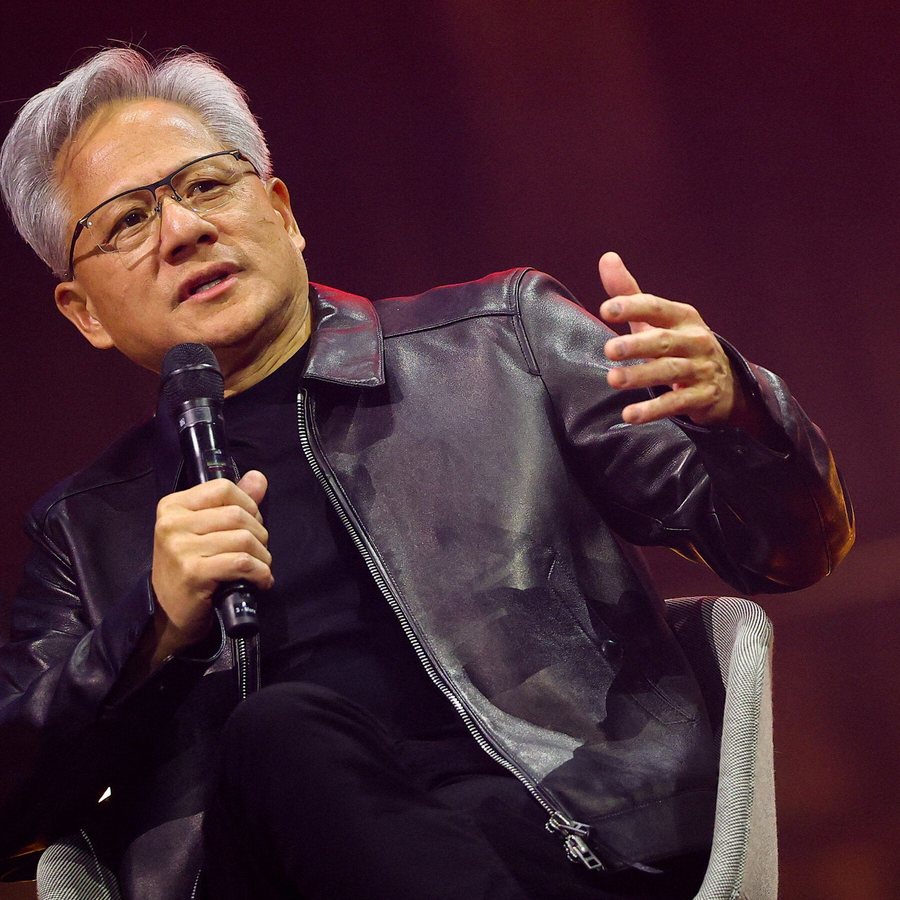
Secretary of State Marco Rubio helped draft a secret memo last spring warning top Trump administration officials about the close relationship between Nvidia chief executive Jensen Huang and a woman reportedly tied to Chinese intelligence. The memo circulated among senior officials and raised concerns about national and economic security at a time when Huang has become one of the most powerful figures in the artificial intelligence industry and an influential ally of President Trump.
According to the reporting, the woman is Alice Huang, an executive at Megaspeed, and she was reportedly recruited by China's Ministry of State Security to spy. The memo described her connection to the Nvidia chief as a matter of concern. The reporting does not establish what, if anything, was passed along, and the memo's warnings have not been publicly confirmed by the government.
Nvidia's board has responded by launching an independent investigation into Huang. A committee of independent directors is overseeing the probe, and outside independent counsel is assisting the review. In announcing the inquiry, the board cited reporting that Huang had been a foreign intelligence target. The company has said it has no reason to believe any of its secrets were compromised.
The episode highlights how closely the semiconductor industry is now tied to geopolitics. Nvidia's chips are central to advanced artificial intelligence development, and its chief executive has been a prominent voice in the broader debate over how the United States should manage its technological competition with China. Questions about who has access to the leadership of a company whose products are considered strategically important therefore reach well beyond a single governance matter.
The concern over the memo arrives against the backdrop of a long-running policy fight in Washington over advanced chips. Officials on both sides of the debate have weighed how to limit China's access to the most capable processors while preserving the commercial position of American firms that sell into global markets. Huang has been a frequent advocate for allowing wider sales, and the reporting places his personal connections under a new level of scrutiny at the same time those policy questions remain unresolved.
The board's probe is designed to be insulated from management. By placing the review under a committee of independent directors and bringing in outside counsel, the company has signaled that it intends the inquiry to be conducted separately from its executive team. Investors and industry observers will be watching whether the findings are made public and whether any governance changes follow, though the timeline for the investigation has not been disclosed.
The outcome of the investigation remains unknown. It is not yet clear whether the independent review will result in any changes at the company, nor whether the government will take further action based on the memo. Neither Huang nor Nvidia has been reported to have been charged with any wrongdoing, and the board's probe is ongoing.
Source: nytimes.com
3