Rowe Warns U.S. Skilled-Trade Shortage Threatens Submarine Fleet and Defense Production
Mike Rowe told a Ford Pro workforce panel that America loses five tradespeople for every two who replace them, and the Navy's submarine industrial base alone needs 100,000 welders and electricians over the next decade.
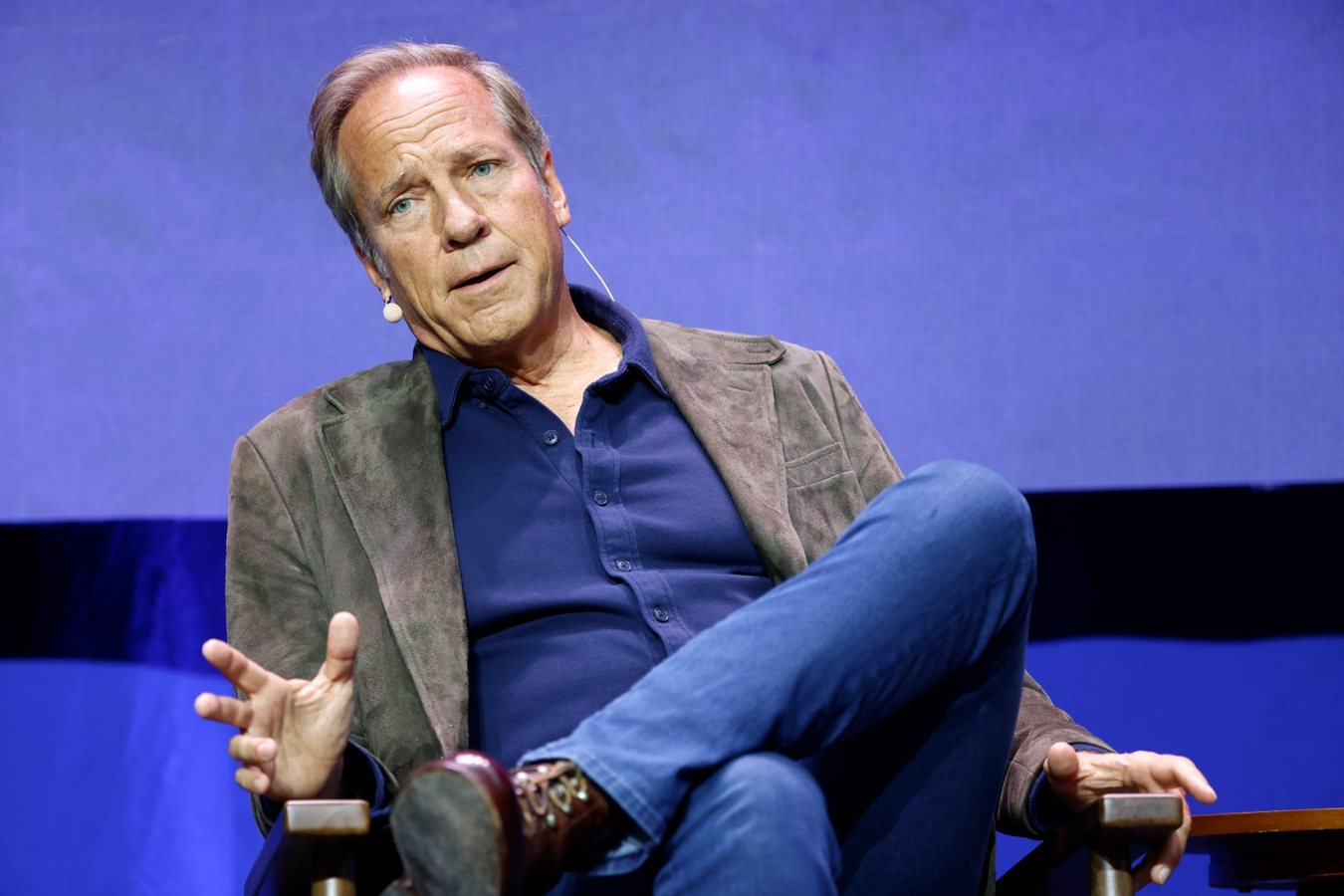
America is losing skilled tradespeople far faster than it can replace them, and the gap now reaches into the industrial base that builds the nation's nuclear-powered submarines, television host and workforce advocate Mike Rowe warned during a Ford Pro Accelerate panel on workforce development.
Rowe, whose mikeroweWORKS Foundation promotes vocational training, offered a blunt measure of the problem: for every five tradespeople who retire this year, only two enter the workforce to replace them. «Five out, two in,» he said. «I don't care how you vote. I don't care what your politics are. Math doesn't care either.»
The shortage, he said, is «real,» «wide,» «getting wider,» and «dangerous» — a hiring challenge that can no longer be dismissed as routine. Experienced welders, electricians, plumbers, and industrial maintenance workers are retiring in large numbers, while fewer young people enter those fields. Rowe framed the consequences in everyday terms, asking how long Americans would tolerate waiting for a toilet to be fixed or for the lights to come back on after flipping a switch.
The problem is no longer confined to home repair and construction. Rowe said the BlueForge Alliance, which coordinates 16,000 companies charged with delivering nuclear-powered submarines, called him for help finding welders and electricians. When he asked how many were needed, the answer was enormous: an estimated 100,000 workers in critical manufacturing trades over the next 10 years to build the next-generation submarine fleet.
Asked where those workers would come from, Rowe pointed to a pipeline that starts long before hiring. «They're in the eighth grade,» he said. Companies including Ford, General Motors, major retailers, manufacturers, and defense contractors are all competing for workers who take years to develop, and Rowe noted the obvious constraint: «You can't recruit out of the eighth grade.»
Education Secretary Linda McMahon, who joined Rowe on the panel alongside Michael Duffy, Under Secretary for Acquisition and Sustainment at the U.S. Department of War, agreed with his diagnosis but focused on institutional change. She said the Education Department has worked with the Labor Department to expand workforce training and shorten the path into skilled jobs.
Her preferred model begins in high school. Schools, she said, should partner more closely with community colleges, technical schools, and vocational programs so students can graduate with both a diploma and a usable credential. A student might start with electrical work and then add certifications in HVAC or welding, entering the workforce sooner, avoiding unnecessary costs, and continuing to build skills over time. McMahon also urged earlier hands-on exposure, including virtual welding and electronics programs that make technical work tangible for younger students.
Her sharpest remarks targeted the status hierarchy surrounding higher education. Skilled work, she argued, should not be framed as a fallback for students who were not «smart enough» for college. «This is not just, 'Boy, my kid really wasn't smart enough to go to college, so I guess he'll be an electrician or a plumber,'» McMahon said.
Rowe pushed the argument further, questioning whether the labels «blue collar» and «white collar» still describe the jobs employers need filled or the education workers need to navigate them. In places such as Detroit and his hometown of Baltimore, those identities run deep, but he suggested the next generation of work may have «a more gray or purple hue.»
Holding up his smartphone as an emblem of that shift, Rowe called the device «my liberal arts degree,» arguing that an internet connection gives anyone access to nearly all known information. He said he had recently watched an MIT lecture for free from a hotel room. His point was not that education is obsolete, but that intellectual ambition is no longer confined to a campus or to students on a conventional academic path.
Nor, he argued, should people with elite degrees be insulated from the value of learning a physical trade. Recalling the political line that America needs «fewer philosophers and more welders,» Rowe offered his own version: «Our country needs more philosophers who can run an even bead and more welders who can talk intelligently about the Stoics and think critically.»
Duffy tied the discussion to the changing nature of manufacturing and defense, where newer companies in the defense-industrial base are reshaping what production work looks like and what skills it demands. The panel's emerging conclusion was that the country gets the pipeline wrong when it treats college and career training as opposing paths rather than connected ones.
5