
Oura Files for IPO, Seeking $2.2 Billion and $15.62 Billion Valuation
The Finnish smart-ring maker has publicly filed for an initial public offering in the United States, with shareholders aiming to raise up to $2.2 billion in a listing that could value the company at roughly $15.62 billion.
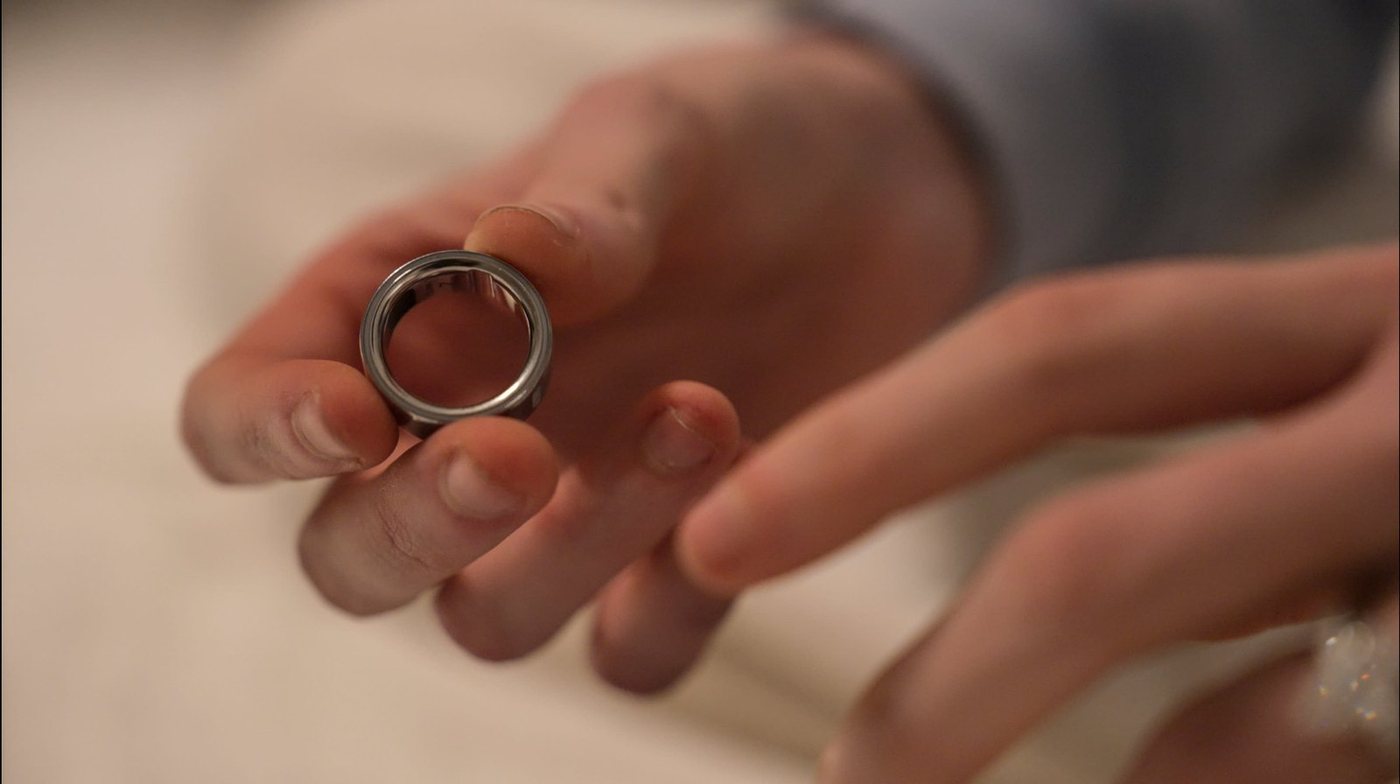
Oura, the Finnish company behind the popular smart ring that tracks sleep and recovery, has publicly filed for an initial public offering in the United States, setting the stage for one of the fall season's most closely watched listings. The company and its shareholders are looking to raise as much as $2.2 billion, according to the filing, a figure that would place the wearable-technology maker among the larger consumer-hardware debuts in recent years.
The offering targets a valuation of roughly $15.62 billion, a level that would make Oura one of the most valuable privately held consumer-electronics companies to test public markets. The filing marks the formal start of the company's road to a listing, following a period in which the smart-ring category has moved from a niche wellness gadget to a mainstream product used by athletes, executives, and health-conscious consumers alike.
Oura's rise has been fueled by its focus on sleep tracking, readiness scores, and recovery metrics rather than the step counts and workout logs that defined the first generation of wearables. The company's rings, which slip onto a finger and collect data on heart rate, body temperature, and movement, have found a following among users who want health insights without the screen of a smartwatch. That positioning has helped Oura build a premium brand in a market crowded with cheaper fitness trackers.
The IPO filing comes as investors have shown renewed appetite for technology listings after a stretch of caution. A successful debut by Oura could encourage other privately held hardware and health-technology companies to pursue public offerings, particularly those with recurring subscription revenue attached to their devices. Oura has built a business model that pairs the ring hardware with a paid membership for deeper analysis and personalized guidance, a combination that tends to appeal to public-market investors looking for predictable income streams.
Details of the share structure, pricing range, and timing were not fully disclosed in the initial filing, and the company has not yet set a date for the offering. The proceeds are expected to support general corporate purposes, though the filing did not specify particular expansion plans. Shareholders are also participating in the sale, meaning a portion of the money raised will go to existing investors rather than to the company itself.
The listing would give Oura a significant infusion of capital as it competes with larger technology companies that have entered the health-tracking space. Samsung and other electronics giants have launched competing smart rings, and Apple continues to dominate the broader wearable market with its watch. Oura's challenge will be to defend its premium niche and convince public investors that its subscription model can keep growing as competition intensifies.
For now, the filing puts Oura at the center of a broader conversation about the future of wearable health devices. The company's bet is that consumers increasingly want passive, continuous monitoring of their bodies rather than another screen demanding attention. Whether Wall Street shares that vision will become clearer as the offering moves forward in the coming weeks.
5