Melinda French Gates Refused to Fund Daughter's Startup, Citing Need for Resilience
Melinda French Gates declined to invest in her daughter's fashion-tech startup, saying founders must earn outside backing and learn to handle rejection. The decision reflects her and Bill Gates' broader approach to wealth and inheritance.
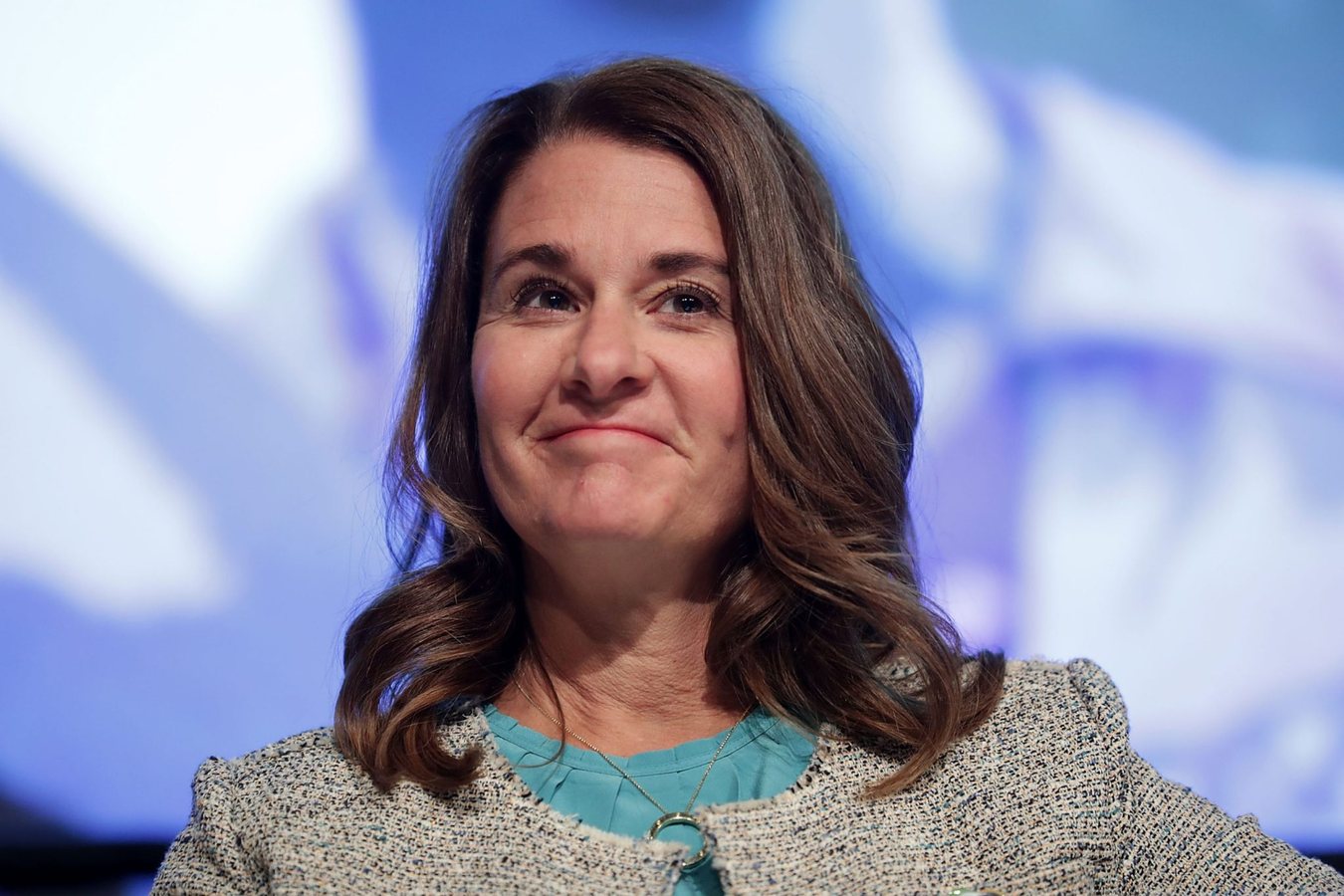
Melinda French Gates, the philanthropist and ex-wife of Microsoft cofounder Bill Gates, declined to invest in her daughter's startup, saying the decision was deliberate and aimed at teaching self-reliance. French Gates, whose net worth is estimated at $34.5 billion, said she watched her daughter fundraise without her help and would not put money into the venture.
«She got capitalized not because of my contacts, not because of me. I wouldn't put money into it,» French Gates said during an appearance at the Power of Women's Sports Summit presented by E.l.f. Beauty. Her reasoning, she explained, was that if the company is a «real business,» then outside investors need to be willing to back it. She also said her daughter needed to learn how to handle rejection if the funding did not materialize. «That's what I told her,» French Gates added. «She's growing from this.»
The stance aligns with the approach she and Bill Gates have taken toward their children's inheritance. Bill Gates has said his children will inherit «less than 1%» of his wealth, insisting they make their own way. French Gates did not specify which daughter she was referring to, but their youngest, Phoebe, launched a fashion-tech startup called Phia with her Stanford roommate, Sophia Kianni. The platform compares clothing prices from more than 40,000 sites to help users find deals. In April 2025, Phoebe, then 22, said her parents would not let her drop out of Stanford to launch a startup, as her father had done. The company has recently drawn attention for taking credit for sales it did not drive.
For French Gates, the decision is not only about tough love or self-sufficiency. She said it is about helping her daughter develop grit and the ability to weather rejection in an unequal system. She pointed to the successful women featured on her YouTube series, Moments That Make Us, saying difficulty changed all of them. «I saw that going through something difficult changed all of them, and that they had to learn to find resilience somewhere,» she said. «And in finding that resilience, they found themselves.»
French Gates, who has spent more than two decades advocating for women's empowerment, said female founders still face steeper obstacles than their male counterparts. «It is very, very hard to get your business funded if you're a woman,» she said. «And so you do have to learn a bit how to have the courage to play the game and to stick with it.»
Tennis legend Billie Jean King, who shared the stage with French Gates, agreed and praised the growth that comes from setbacks. «To your point, like your daughter has figured out how to get this first business started—that's amazing. I don't think it'll ever fail—she'll get feedback from every situation,» King said. King added that she has banned the word «failure» from her vocabulary and discourages those around her from using it. «When people start thinking about failure, it's a very negative feeling,» she told Fortune. «Turn it inside out by asking yourself, 'What's the feedback I'm getting from this?'»
The broader context is stark. Just 2.3% of global venture capital went to female founding teams last year, according to the source material. French Gates and King suggested that the few female founders who break through often turn failure into fuel. The approach also reflects a long-running debate about inherited wealth and privilege, with the Gates family opting to limit what their children receive and pushing them to build independent careers.
Phoebe Gates' startup, Phia, has attracted attention both for its price-comparison model and for recent scrutiny over its sales claims. The platform, launched with Kianni, aims to help users find the best deals across tens of thousands of retail sites. Its trajectory will be watched as an example of how next-generation founders from prominent families navigate fundraising and public expectations.
French Gates' decision not to invest in her daughter's company underscores a consistent message: that access to family wealth should not substitute for outside validation, and that rejection can be a necessary part of building a business. For a philanthropist who has long championed women's economic power, the choice is both personal and a public statement about how female founders can earn their place in a competitive market.