
Home Depot Executive Goes Viral for 40-Year Rise From Cashier to $1 Million Salary
Ann-Marie Campbell, a Jamaican immigrant who started as a part-time cashier in 1985, has become the face of the 'perfect LinkedIn profile' after a viral post highlighted her four-decade climb to senior executive vice president at Home Depot.
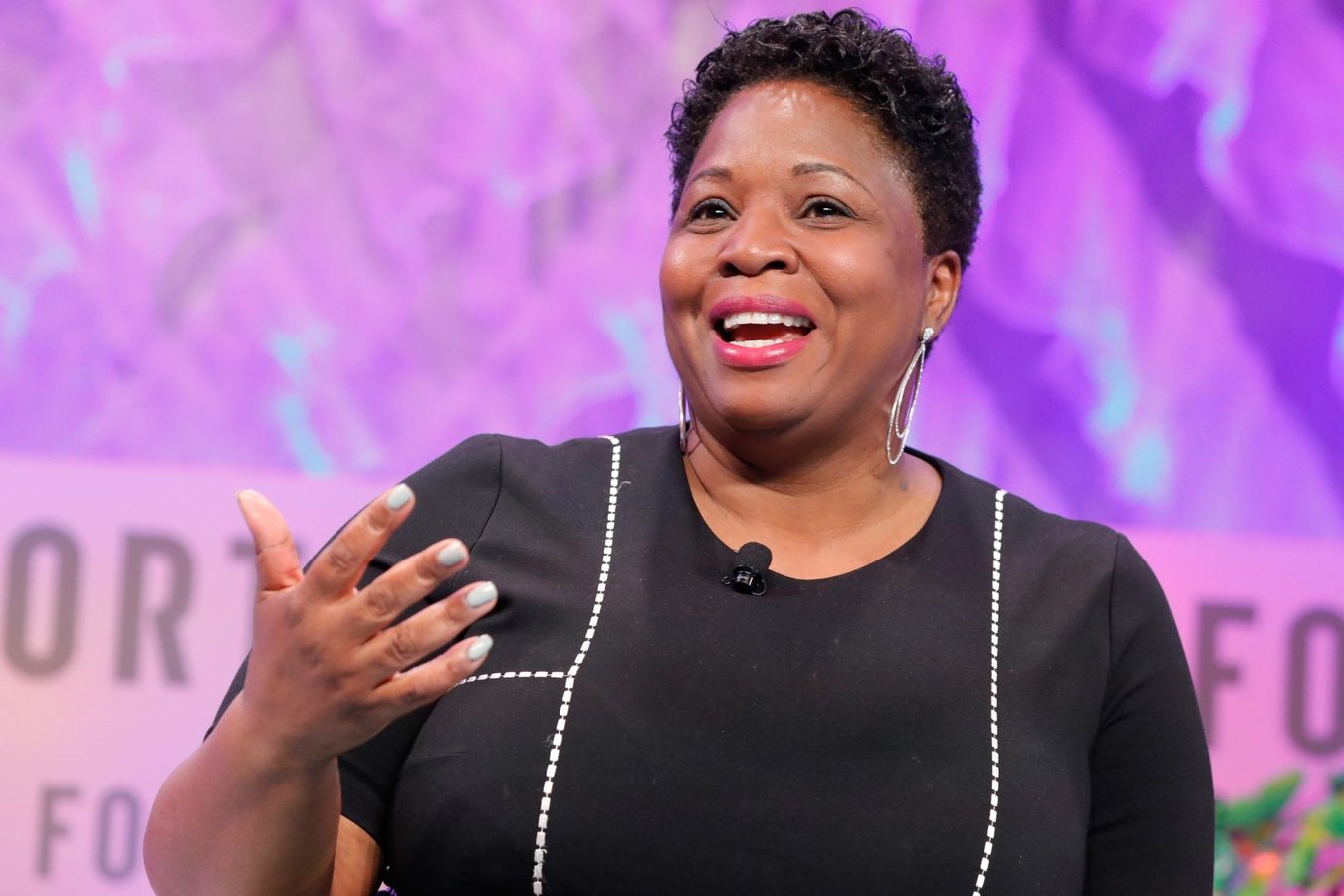
A Home Depot executive is drawing widespread attention online after a post celebrating her four-decade career at the company was hailed as the «perfect LinkedIn profile.» Ann-Marie Campbell, now senior executive vice president of the home-improvement giant, began working at the retailer as a part-time cashier in 1985 and has steadily risen through the ranks to a role that now pays just over $1 million a year.
The screenshot, shared by the Acquired podcast on X and LinkedIn, shows Campbell's uninterrupted 40-year tenure at a single company — a rarity in an era when job-hopping has become the norm. According to a 2025 survey, the average Gen Z worker stays in a job for just 1.1 years during the first five years of their career. Campbell's trajectory offers a stark counterpoint.
Her start at Home Depot was almost accidental. As a Jamaican immigrant living in South Florida, Campbell was earning $3.35 an hour and looking for a way to fund her college education when she applied to the retailer. She was hired as a part-time cashier at $4.15 an hour and quickly grew to love the work. Over the next four decades, she moved from store-level roles to district management in the 1990s, then into corporate leadership in the 2000s. In 2016, she was named executive vice president for U.S. stores and international operations, and in November 2023 she was promoted to senior executive vice president.
Campbell now leads Home Depot's day-to-day operations while CEO Ted Decker is on medical leave for what the company described as the «next few months.» She is a frequent fixture on Fortune's list of the Most Powerful Women.
When Campbell received her first paycheck, Home Depot had fewer than 50 stores and about 5,000 employees. Today, the company ranks No. 25 on the Fortune 500, with more than 2,200 locations across North America and over 470,000 workers on its payroll. Her rise has paralleled the chain's expansion, but she has said that raw talent alone was not enough to carry her career forward.
A turning point came in the late 1990s, when Campbell was a district manager overseeing 13 Miami-area stores during a period of major economic upheaval. She was also raising two children under the age of 4 and considered quitting. Her boss sat her down and offered to help — though, as Campbell later recalled, she had not made it clear what she was dealing with at home and at work. «You have to ask people for help,» she told Fortune in a 2016 profile. «I wasn't good at that.»
The experience reshaped how she thought about building a career. Success, she came to believe, is not something anyone has to navigate alone. Once someone has helped you, she has said, there is an obligation to do the same for others. «We have to stretch our hand out and help someone,» she told Black Enterprise in 2017, «pull someone up.»
Campbell has carried that philosophy throughout her own career: take the opportunities in front of you, perform when you get them, and help make room for someone else to follow. Speaking to students at Longwood University in 2014, she said, «Jobs become careers when you do something you love,» adding that it is then important to use your strengths to create opportunities for yourself. «When I say confidence is key, when I say put yourself in positions to take and grasp opportunity, I am a living proof of that.»
Her message to others has been equally direct. «Believe that you can. The dream is real. It can happen,» she said. «It will happen if you keep yourself focused on performing. The ticket to the game is performing.»
The viral post has resonated at a moment when long tenures at a single employer are increasingly rare and workers are debating the value of loyalty versus mobility. Campbell's story — from an hourly wage of $4.15 to a seven-figure salary and a role leading one of the largest retailers in North America — has been held up as evidence that staying put can still pay off when the work is meaningful and the opportunities are seized.