
Mercy Corps Rebrands as Prosper Global Amid Global Aid Crisis
Mercy Corps, the 40-year-old humanitarian organization, has changed its name to Prosper Global to reflect a broader mission of building long-term prosperity. CEO Tjada McKenna explains the rebrand comes as the world faces unprecedented humanitarian crises and funding shortages.
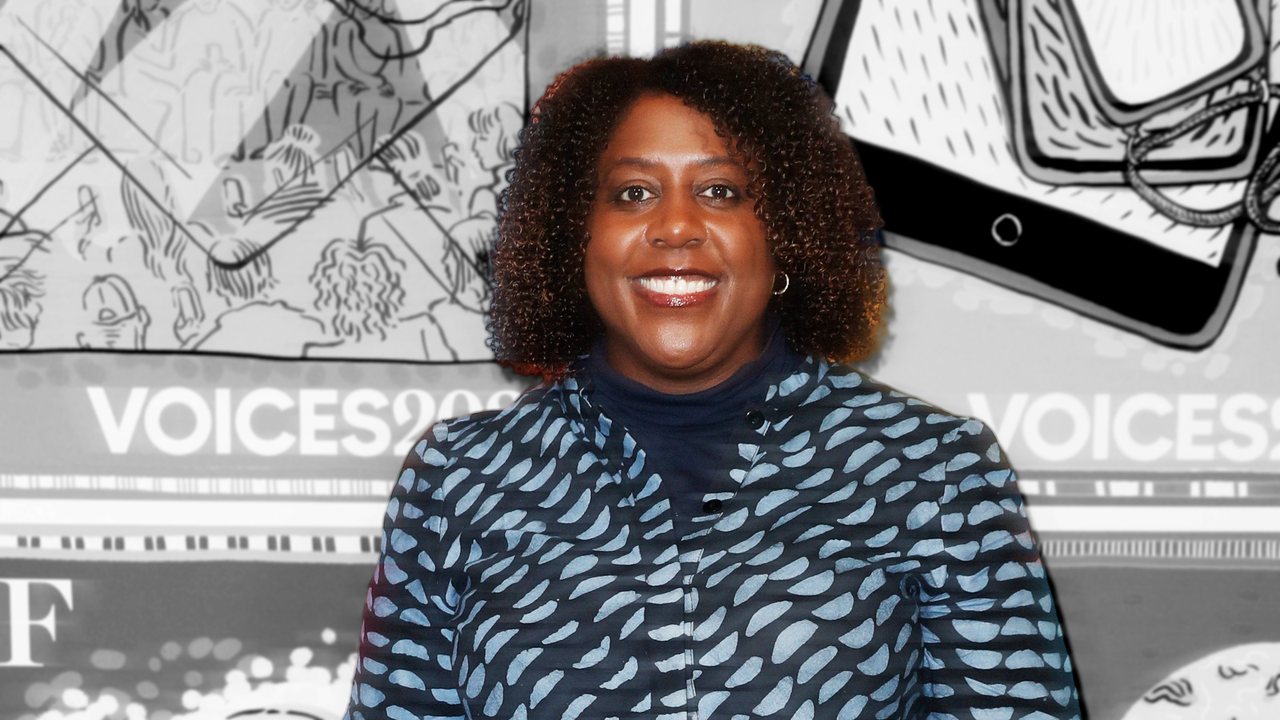
Mercy Corps, the humanitarian organization known for its emergency relief work around the world, has officially rebranded as Prosper Global. The change, announced by CEO Tjada McKenna, reflects what she describes as an evolution in the organization's mission—from providing immediate aid to building long-term prosperity in vulnerable communities.
In an interview, McKenna said the 40-year-old institution had outgrown its original identity. «Organizations outgrow identities just as people do,» she said. The classic definition of aid—swooping in to save the day—no longer captures what Prosper Global does. While the organization still provides emergency food, hygiene kits, and shelter, it also works with communities on longer-term sustainability, including cash assistance, seed insurance, and even blockchain for identity management.
The rebrand comes at a time when the world is facing an unprecedented number of humanitarian crises simultaneously. McKenna pointed to devastating flooding in Nepal, ongoing conflicts in Syria, Sudan, Ukraine, and Gaza, and the ripple effects of the Strait of Hormuz conflict. She noted that Nepal, which has contributed little to climate change, is highly prone to climate disasters. Prosper Global is helping with immediate needs but also with long-term resilience, such as planting grasses to stop riverbank erosion and improving disaster preparedness.
McKenna also discussed a recent report titled «From Hormuz to Hunger,» which tracks how the Strait of Hormuz conflict is affecting six fragile countries: Sudan, Somalia, Ethiopia, Pakistan, Myanmar, and Lebanon. The disruption to oil supplies has driven up fuel costs—by 60% in Sudan—and fertilizer prices, threatening food security. Farmers in Sudan have only a two- to three-week window to plant seeds, and many may be forced to make difficult decisions about what to plant.
The rebrand to Prosper Global is not a change in strategy, McKenna emphasized, but a better reflection of what the organization already does. «Our mission and values are the source of continuity, not our name,» she said. The organization has had a venture capital fund for a decade, investing in businesses that serve communities affected by poverty, conflict, and climate change. These investments include financial services and better building materials for climate-related challenges.
McKenna hopes the new name will shorten conversations with potential donors who were confused by the old name. «We believe everybody has the ability to prosper, not just survive,» she said. «Often, it doesn't take that many resources to do so, and we invite people into that journey with us.»
The rebrand also comes amid a funding crisis for humanitarian organizations. McKenna did not detail the financial specifics but noted that the systems built to respond to crises are fraying. The organization continues to operate in some of the world's most dangerous and complex environments, from Syria to Sudan to Ukraine to Gaza.
As Prosper Global, the organization aims to communicate its values up front and attract support for its dual approach: meeting immediate needs while fostering long-term prosperity. McKenna's leadership during this transition will be closely watched as the humanitarian sector grapples with mounting challenges and limited resources.
9