Mavis Buys Pep Boys for $700 Million, Uniting Nearly 800 Auto Service Stores
Mavis Tire Express Services has agreed to acquire Pep Boys for $700 million, a deal that will place nearly 800 automotive service and retail locations under a single owner. The acquisition raises questions about pricing, warranties, and service options for drivers and small fleets across the United States.
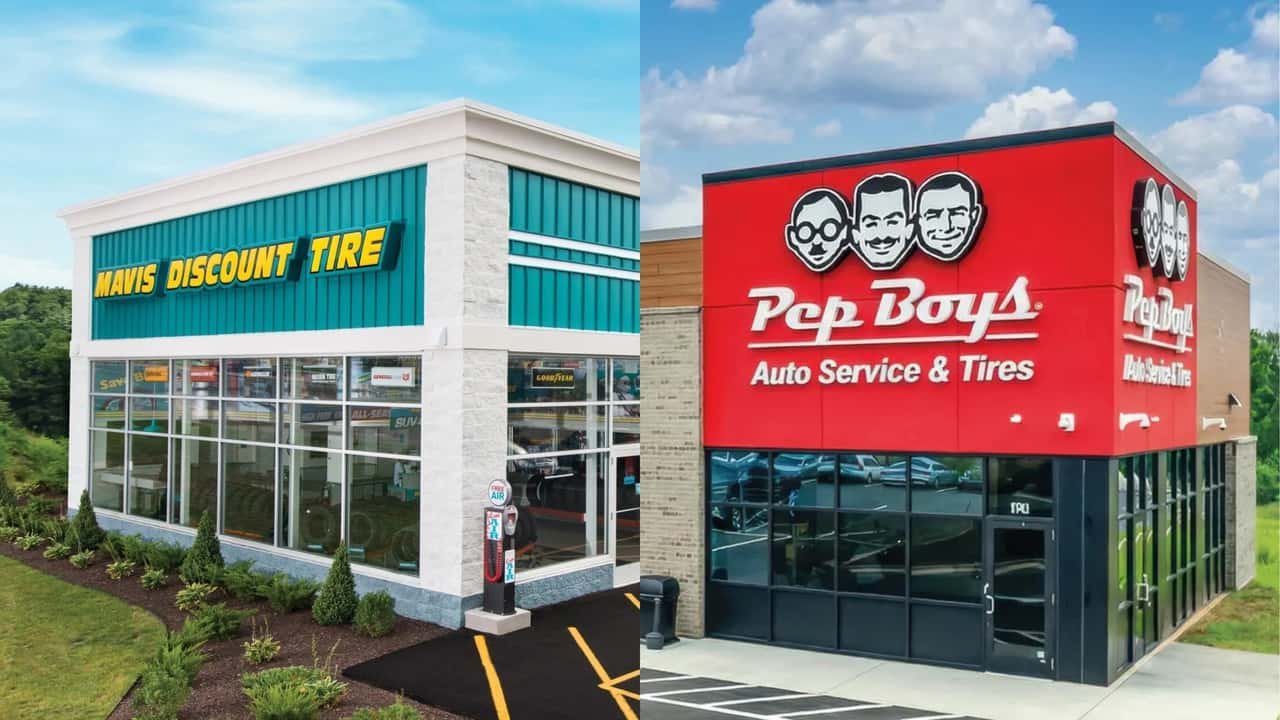
Mavis Tire Express Services has agreed to acquire Pep Boys for $700 million, a move that will bring nearly 800 automotive service and retail locations under one corporate roof. The transaction, announced this week, marks one of the largest consolidations in the American auto care industry in recent years and is set to reshape the competitive landscape for drivers seeking repairs, tires, and routine maintenance.
Under the terms of the deal, Mavis will take control of Pep Boys' extensive network of stores while keeping the familiar Pep Boys branding on storefronts. The combined footprint will span close to 800 locations across the United States, giving the company a significant presence in both the tire replacement and full-service repair markets. For customers, the practical effect is that two well-known names in automotive care will now operate under a single management structure, a change that could influence everything from pricing strategies to warranty policies.
The acquisition comes at a time when the automotive aftermarket is experiencing steady demand. Vehicles are staying on the road longer, and the average age of cars and light trucks in the U.S. continues to climb. That trend has made maintenance and repair services a reliable growth area, attracting both private equity and strategic buyers looking to consolidate fragmented regional chains into larger national operations. Mavis, which has expanded rapidly through a series of acquisitions over the past decade, fits that pattern. The company has built its business by purchasing smaller tire and service chains and integrating them into its network while often retaining local brand names that customers recognize.
Pep Boys, founded in 1921, has a long history in the automotive service industry. The chain has changed ownership several times over the years, including a period under Icahn Enterprises, and has faced intense competition from big-box retailers, warehouse clubs, and specialized tire chains. The sale to Mavis represents another chapter in that evolution, one that could bring operational efficiencies and a broader geographic reach. However, industry observers note that consolidation also raises questions about consumer choice. In markets where Mavis and Pep Boys stores currently compete, the deal will eliminate that competition, potentially affecting prices for tires, brakes, oil changes, and other common services.
Warranty coverage is another area under scrutiny. Many drivers purchase tires and parts with manufacturer warranties that are honored at authorized service centers. When a chain changes ownership, warranty programs are typically transferred, but customers may face new procedures or paperwork requirements. Mavis has said it intends to honor existing Pep Boys warranties and service agreements, but the details of how those programs will be administered under the combined company remain to be seen. For small fleet operators, the stakes are higher. Fleets depend on predictable maintenance schedules and consistent service quality across multiple locations, and a unified network could offer advantages in terms of centralized billing and standardized work. At the same time, reduced competition in certain regions could lead to less flexibility in negotiating prices.
The deal also reflects broader trends in the auto care industry. Consolidation has been accelerating as independent shops struggle with rising costs for equipment, technician training, and inventory. Larger chains can spread those costs across more locations and negotiate better terms with suppliers. They can also invest more heavily in technology, such as digital appointment scheduling and customer relationship management systems, which smaller operators often cannot afford. For consumers, the result is a market that increasingly offers two tiers: large national chains with broad capabilities and smaller independent shops that compete on personal service and local reputation.
Regulatory approval will be required before the transaction closes, and the deal is expected to face review by antitrust authorities. While the combined company would be a major player in the automotive service sector, it would still face competition from national retailers like AutoZone, Advance Auto Parts, and Firestone, as well as from dealership service departments and independent garages. Whether regulators view the acquisition as a threat to competition in specific local markets remains an open question. The companies have not disclosed a timeline for closing, but both have expressed confidence that the deal will proceed.
For now, the most immediate impact is on the employees and customers of the roughly 800 stores involved. Mavis has indicated that it plans to retain the Pep Boys brand and continue operating the stores largely as they are today, at least in the near term. That approach mirrors the company's past acquisitions, where it has often kept local names and management teams in place while integrating back-office functions. Over time, however, customers may notice changes in pricing, product selection, or service offerings as the two chains align their operations. The $700 million price tag signals that Mavis sees significant value in the Pep Boys network, and the company's track record suggests it will move quickly to realize that value through operational improvements and expanded market reach.
76