Ken Griffin's $3 Billion Gift to Carnegie Mellon Reshapes Florida's Innovation Economy
Ken Griffin's record $3 billion donation to Carnegie Mellon University will fund a new Miami campus in Wynwood, marking Florida's shift from attracting innovation to creating it.
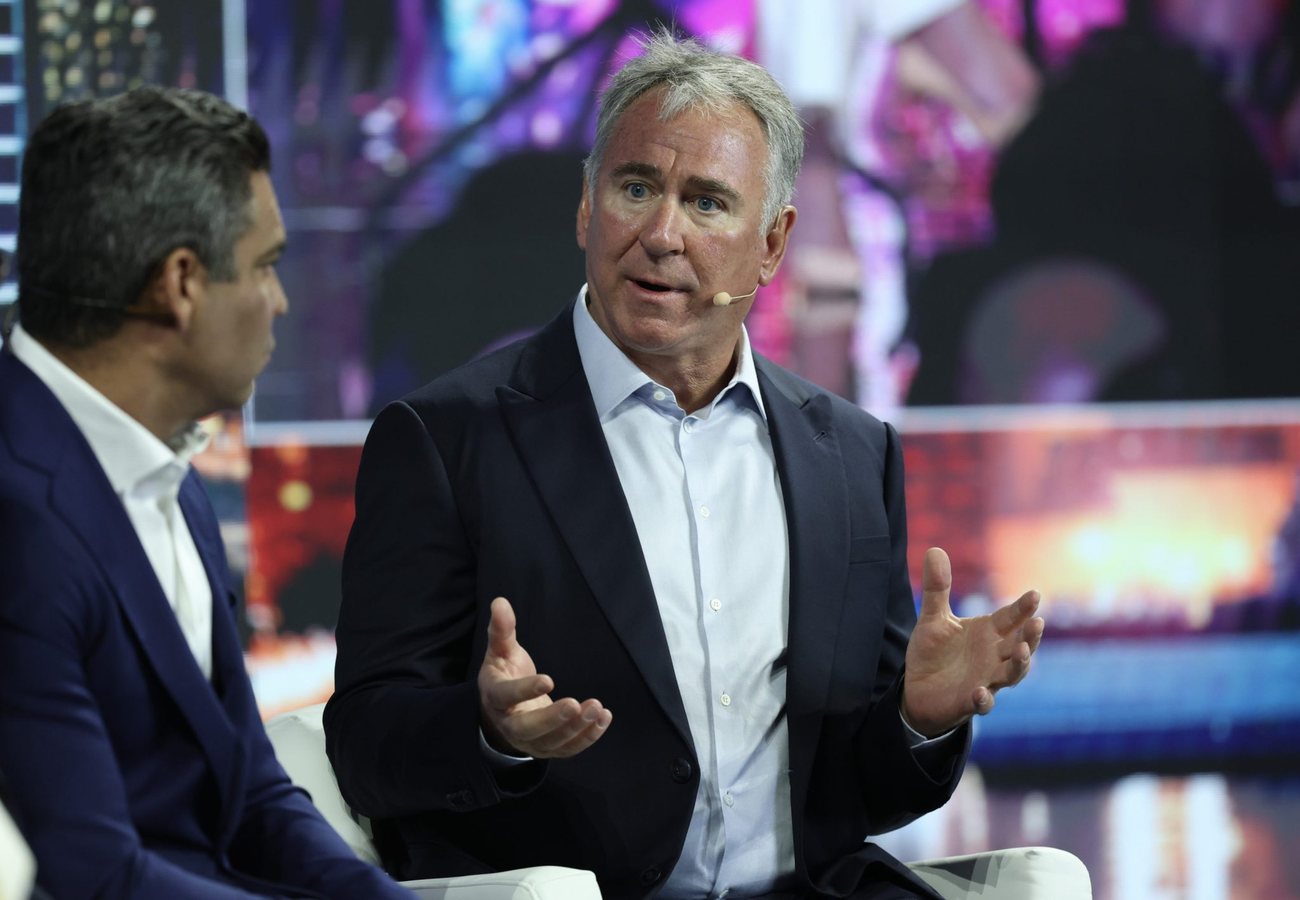
Ken Griffin has announced a $3 billion gift to Carnegie Mellon University, the largest individual donation in the history of American higher education. The record contribution will establish CMU Miami, a new campus in Miami's Wynwood neighborhood that is set to welcome its first students in 2028. Two billion dollars of the total will directly support the campus, while the remainder will bolster Carnegie Mellon's broader research and educational initiatives.
The announcement signals a strategic shift for Florida, which has spent decades attracting businesses and talent from other states. Now, the state's business leadership is focused on generating innovation from within rather than simply importing it. As artificial intelligence and other transformative technologies continue to reshape entire industries, the states that will lead the next economic era are those that can incubate new ideas and build companies around them. Griffin's gift is seen as a generational investment in the talent, research, and industries that will define Florida's economic future.
CMU Miami will not follow a traditional academic model. Instead of organizing education and research around departments and disciplines, the campus will structure its work around four grand challenges: human health and biological discovery, national security, energy and climate resilience, and advanced manufacturing. This approach is designed to solve real-world problems and connect research directly to the market through industry labs and venture studios.
Florida offers a natural setting for these focus areas. The state's biotechnology, pharmaceutical, and medical device industries provide potential partners for health research. National security work can draw on the U.S. Southern Command in Miami, Central Command and Special Operations Command in Tampa, and launch activity along the Space Coast. Aerospace and medical device manufacturers create opportunities to develop and improve new products. Florida's extensive experience preparing communities, power grids, and ports for severe weather gives researchers practical knowledge to build on in energy and resilience.
The new campus is expected to have an impact across Florida's Gold Coast, from Miami through Fort Lauderdale to West Palm Beach. Existing companies will gain access to specialized research and talent, founders will find a place to develop their ideas, and businesses considering a move to the region will have more reasons to invest. Companies that grow around the university can create jobs and opportunities well beyond the campus itself.
For young Floridians, the campus could reverse a long-standing trend of leaving the state to pursue ambitious careers. A student interested in robotics or medical research could study in Miami and build a career with a company working alongside the university. A graduate with a business idea could find the expertise and investment to develop it locally. For decades, many of Florida's brightest young people left to chase such goals elsewhere. CMU Miami aims to give them a reason to stay and the means to succeed.
Florida's business leaders are expected to play a direct role in making the campus a success. Companies can sponsor research, bring their hardest technical problems to its labs, offer internships, and hire graduates. When startups spin out of the university, Florida companies can become their first customers, and Florida investors can back them early. The Florida Council of 100, a influential business group, has said its members are ready to do this work and will ask business leaders across the state to join them.
The gift also arrives at a time when many Americans question the value of a college education. CMU Miami's model, built around solving real problems, could demonstrate what a university can deliver when it is tightly connected to industry and regional needs. Carnegie Mellon brings a deep legacy of innovation to the project. Its researchers Allen Newell and Herbert Simon helped lay the foundations of artificial intelligence, and the university is home to the world's first robotics institute. The Miami campus plans to build on that history with a reimagined model for higher education.
The full impact of Griffin's donation will only emerge over the coming decades, in the discoveries made along Florida's Gold Coast, the companies that are built, and the careers that are made possible. The gift creates an extraordinary opening, and Florida's responsibility is to make the most of it.
7