IHH Healthcare CEO Prem Kumar Nair bets on clinical longevity as Asia ages
IHH Healthcare, Asia's largest private health group, is launching a preventive health program called Healthspan to address rising lifestyle diseases and an aging population across the region.
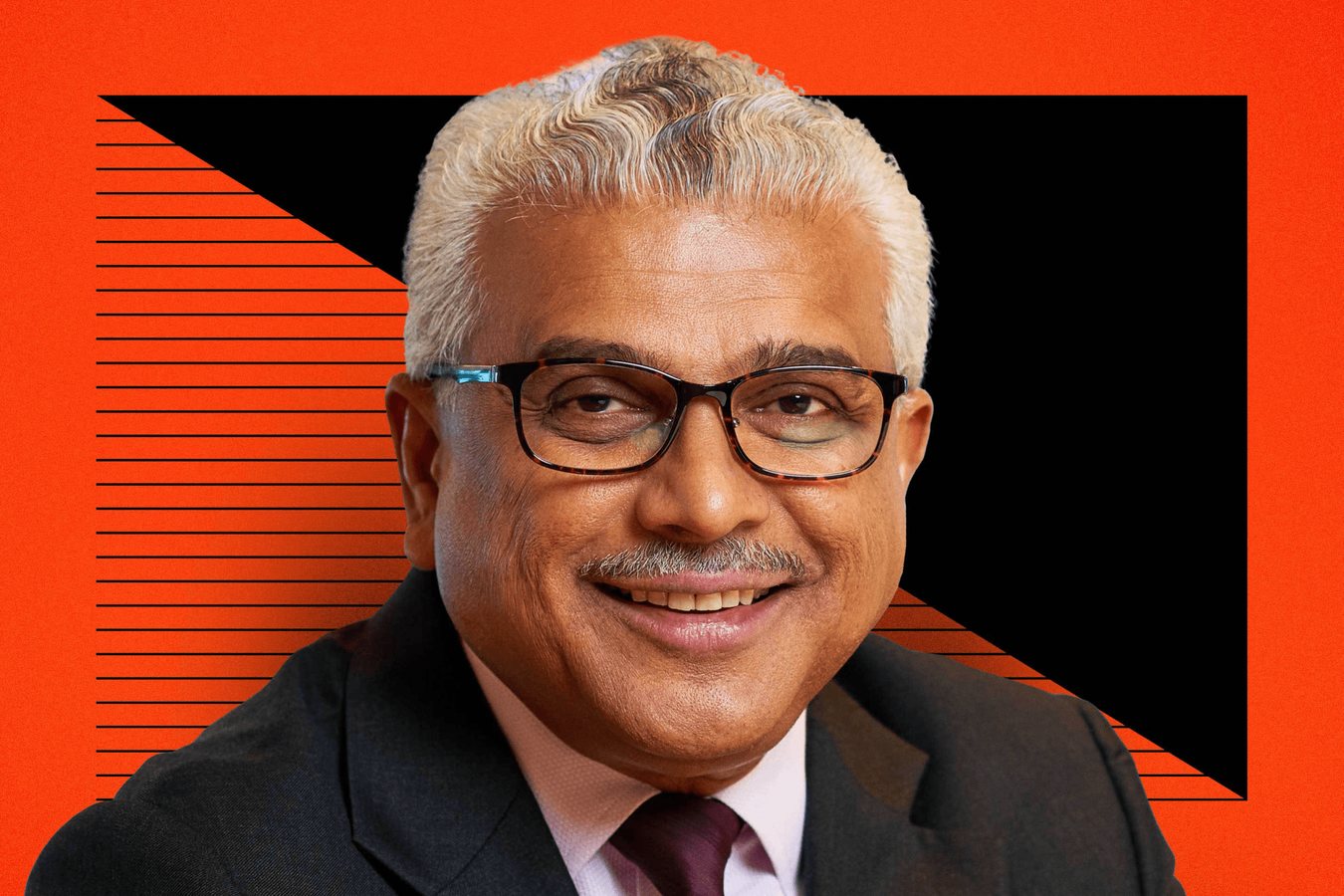
Asia’s largest private health group is shifting its strategy to meet the demands of a region that is growing older, wealthier, and more susceptible to chronic disease. Prem Kumar Nair, CEO of IHH Healthcare, says the company is moving beyond traditional hospital care toward preventive medicine and community-based services, with a new program called Healthspan launched in July.
“There’s no point in living longer if you’re not healthy,” Nair said in an interview. He pointed to a rise in lifestyle diseases such as diabetes, hypertension, and high cholesterol as populations become more affluent and indulge in richer diets. The Asian Development Bank projects that one in four people in the region will be older than 65 by 2050, and a Stanford study published in April found that population aging accounted for 33.6% of the increase in disease burden across mainland China, Japan, Singapore, South Korea, and Taiwan.
Healthspan is designed around clinical intervention rather than the aesthetics-driven wellness industry. “For many people, longevity means aesthetics: coloring your hair, and taking a whole lot of vitamins and supplements. But for a healthcare provider like us, longevity is anchored very strongly in clinical science,” Nair explained. The program currently operates only in Singapore, but IHH plans to bring it to its nine other markets, including India, Turkey, and Greater China.
One focus is sarcopenia, the age-related loss of muscle mass. Nair said older patients will be encouraged to do resistance training “not for them to build biceps, but to make sure that their muscles can hold them up and they don’t fall and sustain knee or hip fractures.” The program also uses GLP-1 drugs, the class of medications including Ozempic and Wegovy, which Nair called “the poster boy of longevity.” He stressed these drugs are used to prevent obesity-driven arthritis and metabolic disease, not for cosmetic weight loss.
IHH is also building more ambulatory care centers in dense, rapidly graying cities like Singapore and Hong Kong. These smaller, community-based facilities handle procedures such as endoscopies and total knee replacements without requiring hospital admission. The group’s Parkway MediCentre in Singapore’s Woodleigh district offers chronic disease management and consultations with dermatology and obstetrics and gynecology specialists. This reflects a broader global shift from hospital-centric care to personalized options embedded in neighborhoods.
“We have transitioned from being a mega hospital player to a healthcare ecosystem player in all the countries that we are in,” Nair said. “That’s going to be the future of healthcare.”
IHH Healthcare was incorporated in 2010 as a holding company for Malaysian sovereign wealth fund Khazanah Nasional Berhad’s healthcare investments, which included Singapore-based Parkway, India-based Apollo, and Malaysia-based Pantai and IMU Health. It became a public company in 2012 through a dual IPO on Bursa Malaysia and the Singapore Stock Exchange. The $2 billion listing was the third-biggest globally that year, after Facebook and Malaysian palm oil firm Felda Global Ventures Holding. IHH shares have risen more than 20% over the past 12 months.
The company now operates 89 hospitals across 10 countries, with 2025 revenue of approximately $6 billion, ranking No. 58 on Fortune’s Southeast Asia 500 list. Early growth came through acquisitions, including India-based Globe Healthcare in 2015 and Fortis Healthcare in 2018. That approach changed when Nair joined in 2020 after 27 years at competitor Raffles Medical Group. He redirected the company toward organic growth within existing markets, adding 4,000 beds to its hospitals since taking the helm.
“A lot of investors were asking us whether M&As were an efficient way to grow, since each time we grow inorganically, we have to integrate the different entities,” Nair said. “Eventually, we decided that the best form of growth is growing within our existing markets and clusters… organic growth is always better since the operational efficiency is there.”
Nair’s tenure began during the COVID-19 pandemic, which he described as “crisis management from the start.” Between 2020 and 2021, Singapore enacted several rounds of partial lockdowns. IHH dispatched medical staff to checkpoints for virus screening and to foreign worker dormitories, which became the epicenter of the nation’s outbreak, accounting for nearly 90% of cases. The pandemic reinforced Nair’s view that public and private sectors need to work together in healthcare delivery.
67