Hochul Signs New York Onto Trump School Choice Tax Credit Program
New York Governor Kathy Hochul has opted the state into a federal scholarship tax credit program championed by President Donald Trump, drawing sharp opposition from teachers unions while supporters hail new funding for families.
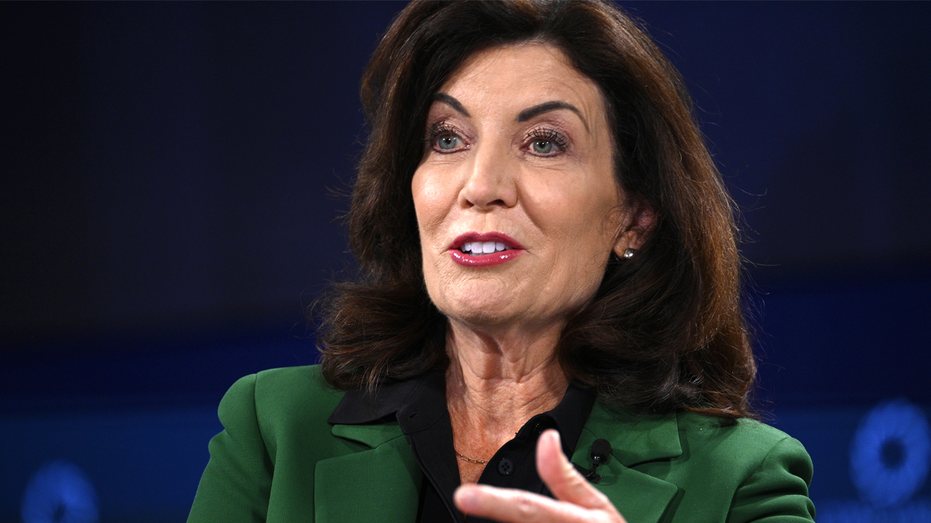
New York Governor Kathy Hochul has formally signed the state onto a federal school choice program backed by President Donald Trump, a move that places one of the nation's largest blue states inside a framework that teachers unions have fought for years to block.
The decision, announced Friday, makes New York one of more than half of U.S. states that have opted into the Federal Scholarship Tax Credit program, which the Treasury Department and the Internal Revenue Service moved to implement through proposed regulations issued Oct. 1. The initiative, also called the Education Freedom Tax Credit, allows individual taxpayers to claim a dollar-for-dollar federal tax credit of up to $1,700 for donations made to nonprofit scholarship-granting organizations. Governors must formally opt in before their residents and local educational organizations can participate and receive the funds.
Hochul framed the choice as a way to bring additional money to New York students without diverting resources from public schools. «Every parent wants their child to have a great education and the best possible chance to succeed. That's what guides my decisions as governor,» she said. «New York's public schools are the backbone of communities across this state. That's why I've made historic investments in public education, increasing school funding by more than $10 billion and fully funding Foundation Aid for the first time.»
The governor said she had been clear from the start that New York would participate only if all schools and students, including those in public schools, could benefit. After reviewing the federal regulations, she said the program has the potential to bring millions of additional dollars to New York students and families without taking a single dollar from public schools or state and local budgets. «I'm not going to leave money on the table when it could help our kids,» she said, adding that she has engaged business leaders who committed to using the program to support public school students and their academic needs.
Supporters welcomed the announcement. Sydney Altfield, founder of Scholarships for All and CEO of Teach Coalition, called it «a tremendous day for New Yorkers,» saying millions of children across the state will gain access to scholarships that can help pay for tutoring, after-school programs and other educational needs. She said Hochul had kept her promise to New York families, helping put money back into the pockets of working parents while expanding educational opportunities.
Opposition from organized labor was immediate and firm. A coalition of teachers unions and public school advocates launched a petition demanding that Hochul reject the program, arguing that most New Yorkers have not heard of it or understand how it will affect the state. The petition contends that tax dollars would help pay private tuition for families who never used public schools. The program is set to begin in New York in 2027.
The dispute reflects a broader shift in Democratic politics around school choice. For decades, choice initiatives have been a third-rail issue for many Democrats, who argue that such models weaken public school systems and undermine labor unions. But growing parent demand for alternatives — including charter schools, private schooling and homeschooling after the COVID-19 pandemic — has pushed several prominent Democrats to reconsider their positions, particularly as major blue-city school districts struggle to retain students.
A top Department of Education official said Democratic governors who have traditionally opposed school choice will face mounting competitive pressure to join the program as states weigh participation. Education Secretary Linda McMahon has previously noted that some Democratic leaders have resisted the federal scholarship effort simply because «it's a Trump measure.» The official pointed to competitive pressure as a factor that will ultimately force blue states to capture the influx of private donations.
Unlike traditional voucher programs that draw directly from municipal or state public education funds, tax credit scholarships allow taxpayers to redirect a portion of their federal tax liability toward nonprofit funding for student scholarships. The federal framework leaves the opt-in decision to state governors, enabling local families to access federally incentivized scholarship dollars. Kentucky has since formally joined the program after its legislature overrode Governor Andy Beshear's veto of opt-in legislation.
Hochul said she looks forward to working with education leaders across the state to make sure the resources reach students in every community, adding that her commitment to public education has not changed. The program's rollout in New York is expected to begin in 2027, with the state's participation contingent on the federal regulations taking effect.
7