Hershey says gas prices are pushing shoppers to buy less candy
Hershey executives said candy sales at convenience stores have fallen as high gas prices and inflation squeeze household budgets, with the final days before Halloween seen as critical.
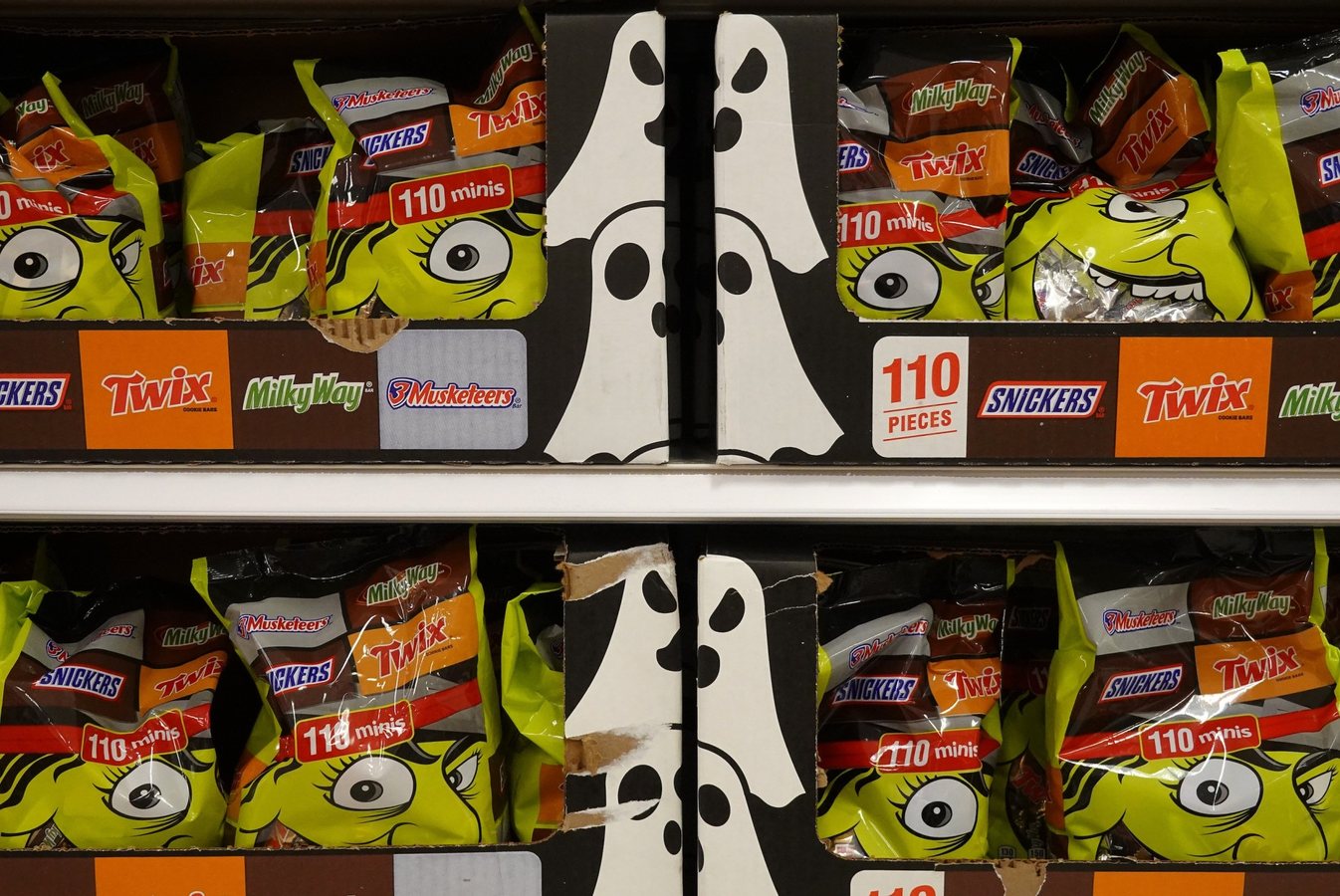
Hershey, America's largest chocolate maker, says shoppers squeezed by high gas prices and stubborn inflation are buying less candy, and the company is warning that the final days before Halloween will matter a great deal. On its third-quarter earnings call, executives said candy sales at convenience stores fell 5% in September across the category, and that the slump continued into October.
Hershey CFO Dave Hulays said consumers are « more cautious on inflation », pointing to gas prices and interest rates as sources of household strain. He said shoppers are « making more deliberate choices across channels », shifting more spending to mass retailers, e-commerce and warehouse clubs. Outside convenience stores, the candy category grew 3.7% in the third quarter, which Hulays described as « more of a channel and trip problem, not as much a category issue ».
The company's results reflect the pressure. Third-quarter net sales rose 3% to about $3.28 billion, but that growth came from roughly 11 percentage points of higher prices, while volume fell about 10 points, according to its earnings release. Hershey also narrowed its full-year organic net sales growth outlook to about 3%, the low end of its previous range of 3% to 3.5%.
The pullback extends beyond Hershey. Halloween candy sales fell 6.7% in the month ending October 17 compared with the same period a year earlier, according to NielsenIQ data reported by the Associated Press. Small bags were the only size still growing, and the average price of regular gasoline had climbed to $4.29 a gallon, up nearly 40% from a year earlier.
Americans are not skipping the holiday altogether. The National Retail Federation projects a record $13.5 billion in Halloween spending this year, up from $13.1 billion last year, including $4.1 billion on candy, which 96% of celebrants plan to buy. The NRF also noted that shoppers are approaching the season with affordability in mind.
Cocoa, the ingredient behind years of chocolate price increases, has come well off its highs. Global cocoa prices hit a record of about $10,710 per metric ton in January 2025, fell to $3,241 by March, and then rose again this spring as the Iran war disrupted fertilizer supplies to Africa and forecasters warned of El Niño, according to the Associated Press. Hulays said the industry is coming off a historical surplus of 500,000 to 600,000 metric tons, with healthier inventories and more diversified supply as production grows in regions such as Ecuador. « We don't expect cocoa to remain at current levels long term », he said.
Shoppers have not yet felt much relief. A 100-piece bag of Halloween candy now costs an average of $16.96, up 71% from $9.91 in 2021, according to FinanceBuzz. Government data show candy and gum prices up 44% over five years through September. Higher costs for freight, packaging and other non-cocoa inputs are keeping prices elevated.
Halloween falls on a Saturday this year after a late Labor Day, which compresses the selling season for Hershey. CEO Kirk Tanner, who took over in August 2025 after leading Wendy's, said about 35% of seasonal sales happen in the final week. « The biggest selling days are still ahead of us », Tanner said, adding that Hershey shipped more Halloween product than last year and that its displays are in stores. He said consumer surveys show participation intent in line with last year. « Now we need consumers to show up », Tanner said. « The last few days are really critical ».
Looking ahead to 2027, Tanner said Hershey will rely on new products and more affordable pack sizes and price points to win back cost-conscious shoppers.
5