
Google Data Center Lead Says Hundreds of Thousands of Skilled Trade Jobs Are Open Across the U.S.
Google's Tim Chadwick says hundreds of thousands of skilled trade roles are unfilled nationwide, part of a projected 2.1 million-worker shortfall by 2030 as data center construction booms.
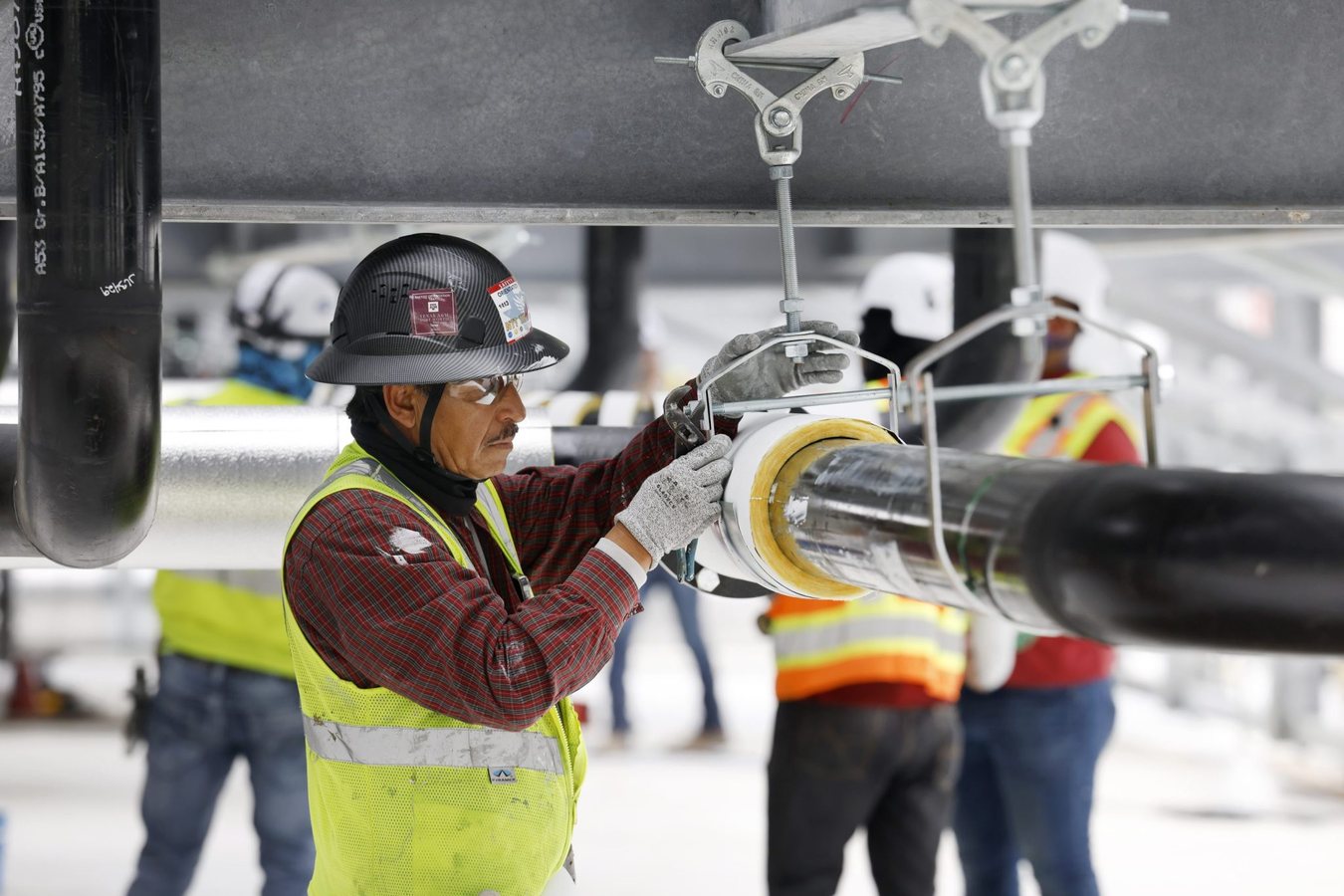
Hundreds of thousands of skilled trade positions are open across the United States and waiting to be filled, according to Tim Chadwick, Google's Data Center Operations Area lead for Ohio and Indiana. In a blog post, Chadwick identified the openings as roles such as master electrician, lead pipefitter and project manager, describing them as high-growth careers that offer long-term financial stability.
The openings reflect a far larger shortage of blue-collar workers. An estimated 2.1 million skilled trades jobs in the U.S. could go unfilled by 2030, according to U.S. Department of Education estimates cited in a JLL report. For workers, that shortfall translates into a widening pool of careers that do not require a four-year college degree, but instead offer pathways into specialized skills through technical training, apprenticeships and on-the-job experience.
Data centers sit at the center of that demand. As thousands of new facilities continue to be planned, workforce pressures are expected to accelerate. Worldwide, data centers are projected to require $6.7 trillion in investment through 2030 to keep pace with demand for computing power, according to McKinsey. Yet despite the abundance of jobs, data center construction firms are struggling to find enough labor.
The career opportunities created by the AI infrastructure boom have drawn attention from some of the technology industry's biggest executives. Nvidia CEO Jensen Huang, a vocal critic of AI doomsday narratives, has said the world is on the cusp of what he calls the largest infrastructure build-out in human history, one that will create a lot of jobs. In a 2025 interview with Channel 4 News in the U.K., Huang said the skilled craft segment of every economy is going to see a boom, adding that the sector will have to double and double and double every single year.
General Motors CEO Mary Barra has made a similar argument, saying the U.S. faces a societal problem in treating skilled trades as less desirable than white-collar professions. She told Fortune that high school students need to understand this is a great career and, in her words, maybe a little more AI-proof than some others. Barra said a technician could make $80,000 to $90,000, and potentially even higher depending on how many hours they work.
Even with prominent CEOs predicting a boom, getting enough people into the skilled trades remains difficult. For decades, the U.S. education system and labor market have emphasized the path from high school to a four-year degree, while vocational and technician training has received less investment and has even been stigmatized. That has left employers in many skilled trades struggling to replace an aging workforce and train enough new workers to meet demand.
The jobs themselves also come with trade-offs that make them harder to fill. Skilled trades can be physically demanding, require long hours and involve working outdoors in extreme weather. Construction work is also largely project-based, meaning workers may have to move from one site to another, or even across the country, as projects are completed.
That presents a particular challenge for data centers. Their construction can create hundreds or even thousands of jobs at a single site, but once a facility is operational, the number of workers needed to maintain it drops significantly to a few dozen. A 2026 survey of construction firms working on data center projects found that 58% reported increased competition for skilled workers, while 49% reported increased wage pressure. Another 37% cited the availability of workers or subcontractors as their biggest challenge in pursuing or delivering data center projects.
Many companies have taken it upon themselves to address the reckoning happening at the intersection of education and the labor market. Earlier this year, Ford, Carhartt, BlackRock and Google formed the Alliance for America's Skilled Trades, a partnership focused on building pipelines for vocational skill development. In a July Fortune op-ed, company leaders including Ford CEO Jim Farley wrote that the kitchen table conversation must change and that more young people should be encouraged to take a first step toward a career in the skilled trades. They said clear, accessible pathways into the trades ensure more people can transition into fields offering greater stability, higher wages and long-term opportunities for their careers and communities.
In early September, the Lowe's Foundation launched the Building Futures Skilled Trades Coalition to change the perception of careers in the skilled trades and invest in ways for education, workforce and industry to work together. NVIDIA, AT&T, Bank of America, Carrier, General Motors, DEWALT and Duke Energy joined as early partners.
3