Geico's CMO Wants the Gecko to Sell More Than Car Insurance
Geico's chief marketing officer is using AI, data, and personalization to turn the insurer's famous Gecko mascot into a broader growth engine, expanding beyond auto insurance into home, renters, and business coverage.
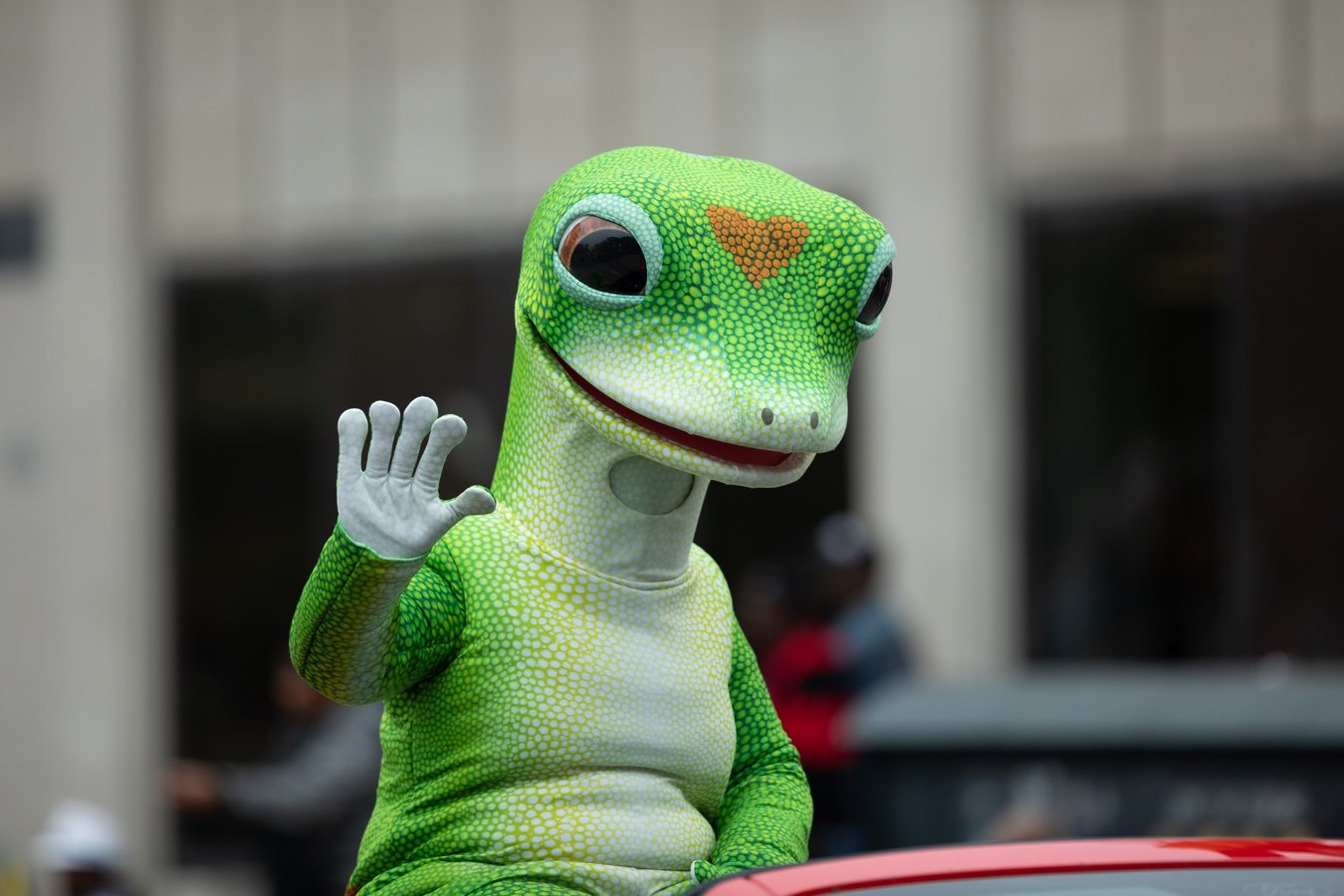
Geico's talking Gecko has been selling car insurance for more than 25 years, and its chief marketing officer now wants that fame to do something bigger: sell everything else the company offers. Arianna Orpello, who joined the insurer in January after years in financial services, is leading a marketing transformation aimed at turning one of the most recognizable brands in America into a broader growth engine.
Orpello describes the Gecko's recognition and likability in unusually strong terms, comparing the character to Mickey Mouse and calling the advertising intellectual property an asset «most marketers would kill to have.» She says the mascot appeals across generations. «Everybody loves the Gecko,» she said. «It doesn't matter if they're 10 or 80.»
The challenge is not awareness of Geico itself. «We definitely don't have an auto insurance awareness problem,» Orpello said. «We do have an additional product line awareness problem.» Auto insurance remains the foundation and the vast majority of Geico's business, but the company wants consumers who know it for car coverage to consider it for home and renters insurance, motorcycles, boats, personal liability, and business insurance.
Closing that gap is part of a wider shift inside Geico's marketing organization. Orpello inherited an operation heavily oriented toward traditional advertising and auto insurance. The goal now is to preserve the broad reach of Geico's advertising while using data to understand when customers may be preparing to shop around, what other insurance products they may need, and how to reach them accordingly.
Geico is also rebuilding its marketing workflow around artificial intelligence. Orpello says the process has been made easier by the company's relatively limited legacy infrastructure. Within roughly four months, its marketing operations and transformation team built an AI roadmap and launched five pilots that she says are already driving business results. She declined to disclose the results or detail the individual pilots.
AI is changing how consumers research insurance as well. Orpello says adapting to AI-mediated shopping ranks among her top two priorities, because tools that can research policies, compare coverage, and surface options introduce a new gateway between insurers and potential customers. Geico is studying how that behavior is evolving and working to ensure information about its products surfaces in AI-generated results. The company is also considering how to work with AI platforms as their advertising capabilities develop.
The implications extend to what happens after consumers find Geico through those channels. People who have already used AI to research policies, coverage, and competitors may arrive considerably more informed, changing what they expect from the insurer's own digital experience. Orpello asks how Geico can evolve that destination for customers who «don't want a website that's just static and hasn't taken into account all the great work that they've already done to understand and study the marketplace.»
Data is playing a similar role with existing customers. Orpello says nearly 60% of consumers shop for auto insurance within 12 months. Geico is analyzing signals such as visits to product and cancellation pages, customer calls, and poor service experiences to understand when a customer may be preparing to shop around and how to respond. The company is also using data to determine which products may be relevant based on factors such as life stage, location, and assets, helping it market non-auto insurance more precisely.
Generative AI is giving the Gecko a similar degree of personalization. Someone pausing a show such as «Bridgerton,» Orpello says, could see the character appear in a Victorian setting, while during a sporting event the Gecko could respond to what is happening in the game. Geico has also experimented with the character interacting with basketball star Azzi Fudd. The approach lets the insurer adapt advertising to what consumers are watching while keeping its most recognizable brand asset at the center.
As Geico looks for more personalized ways to reach consumers, its media mix is shifting away from linear cable toward creators and live experiences, with more marketing dollars also going toward insurance products outside auto. The result is a marketing model that Orpello says needs to be «equal parts entertainment company and direct response company.» For a 90-year-old company, the transformation is ultimately about making one of the best-known insurance brands work differently, using technology to turn broad recognition into more individualized customer relationships.
4