Former Paramount Executive Chris Aronson Sues Studio for Millions Over Alleged Age Discrimination
Chris Aronson, a former top distribution executive at Paramount, has filed a lawsuit against the studio and its parent company, claiming he was pushed out in violation of age discrimination laws and a broken promise regarding his employment.
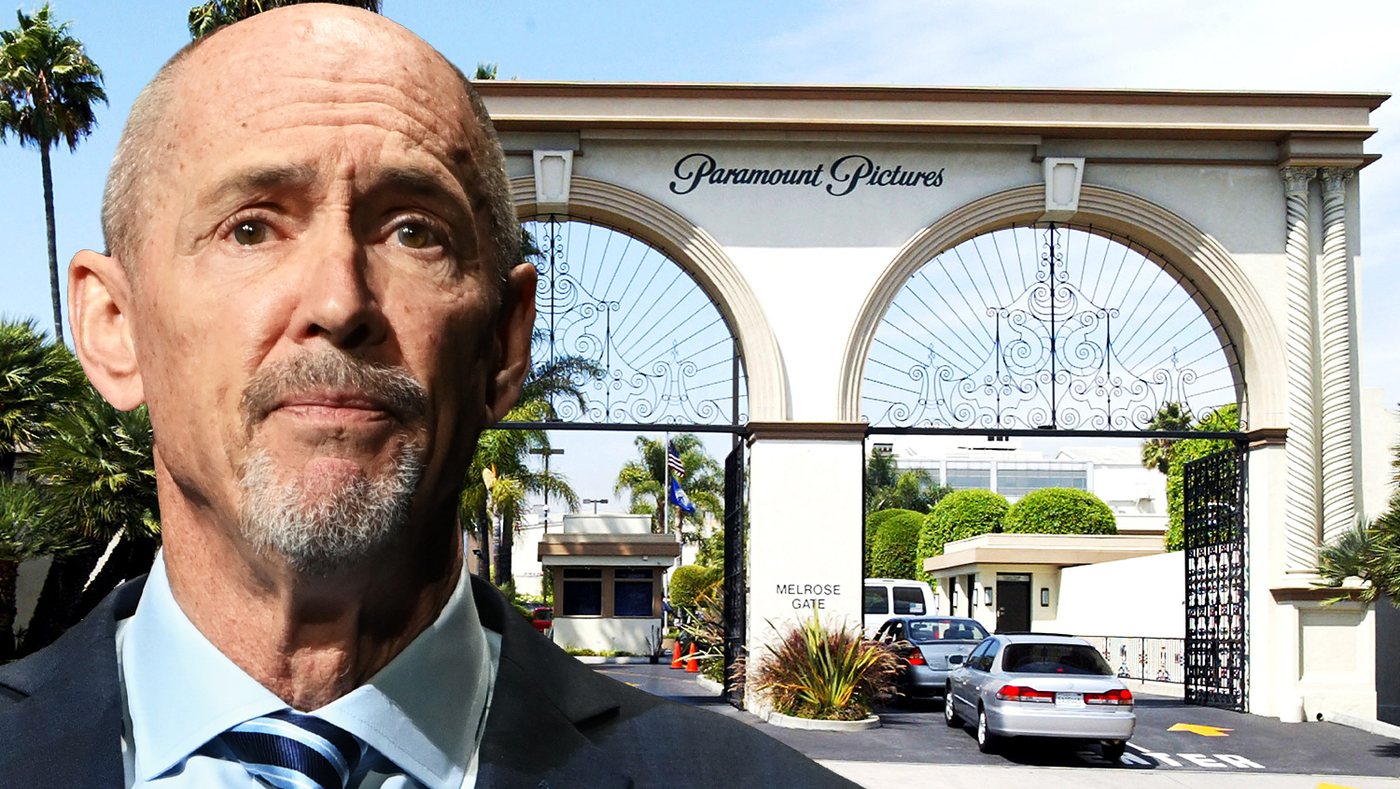
Chris Aronson, a former high-ranking distribution executive at Paramount Pictures, has filed a lawsuit against the studio and its parent company, seeking millions in damages over what he describes as a broken promise and age discrimination. The legal action, filed in Los Angeles Superior Court, alleges that Aronson was effectively forced out of his role despite assurances that his position was secure, and that the company’s actions were motivated by his age.
Aronson, who served as Paramount’s president of domestic distribution, was let go in a wave of layoffs following the merger that brought David Ellison’s Skydance Media into control of the studio. According to the complaint, Aronson was told his job was safe, only to be dismissed weeks later. The lawsuit claims that the termination violated both contractual obligations and state and federal laws prohibiting age-based employment discrimination.
The suit paints a picture of a seasoned executive with decades of industry experience being cast aside in favor of younger leadership, a pattern Aronson’s legal team argues is part of a broader culture shift at the studio. Aronson’s lawyers contend that the promise of job security was made in bad faith, and that the subsequent termination was a pretext for age discrimination. The complaint seeks compensatory and punitive damages, as well as lost wages and benefits, potentially totaling millions of dollars.
Paramount has not yet filed a formal response in court, but the studio has previously stated that it is reviewing the allegations. The case adds to a growing list of legal challenges facing the newly merged entity, which has been navigating a complex integration process since the Skydance deal closed. Industry observers note that the lawsuit could have wider implications for how studios handle executive transitions during mergers and acquisitions, particularly regarding the treatment of veteran employees.
Aronson’s career in film distribution spans more than three decades, including stints at 20th Century Fox and other major studios before joining Paramount. He was known for his strategic acumen in releasing films across theatrical and streaming platforms, a skill set that became increasingly important as the industry shifted. His departure was part of a broader restructuring that saw several senior executives leave the company as new leadership sought to reshape Paramount’s operations.
Legal experts say that age discrimination cases in the entertainment industry are often difficult to prove, but the existence of explicit promises about job security could strengthen Aronson’s claim. The lawsuit also alleges that Aronson was denied the opportunity to transition to a consulting role, which he had been led to believe was an option, further underscoring the alleged breach of trust.
As the case proceeds, it is likely to draw attention to the often opaque nature of executive employment agreements in Hollywood, where handshake deals and verbal assurances can carry significant weight. For now, Aronson’s lawsuit stands as a reminder that even the most senior figures in the entertainment world are not immune to the uncertainties of corporate restructuring.
65