Federal Reserve Opens September FOMC Meeting With Rate Decision Ahead
The Federal Reserve's Federal Open Market Committee convenes in Washington on September 16, 2026, with markets watching for signals on the path of interest rates.
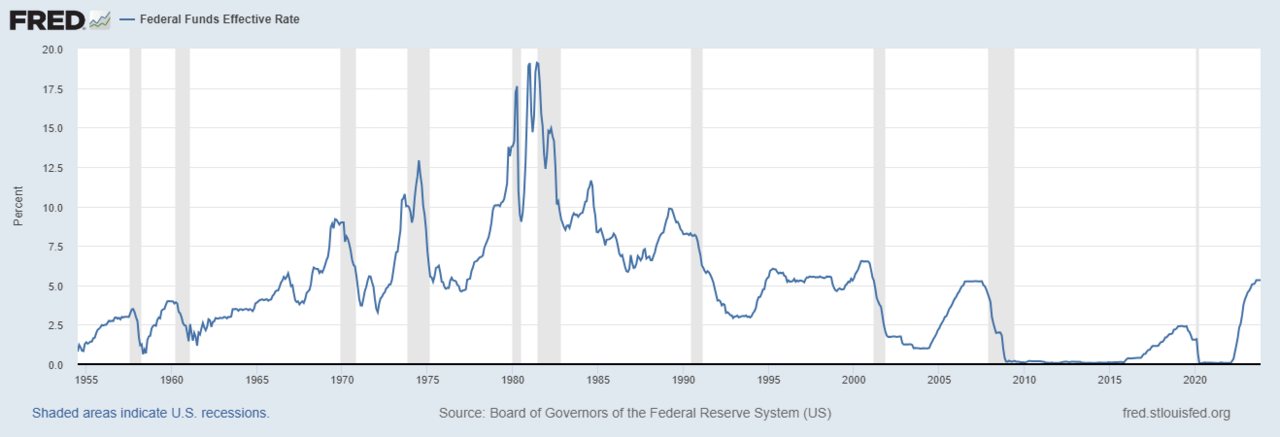
The Federal Reserve's Federal Open Market Committee gathers in Washington on September 16, 2026, for its scheduled policy meeting, with investors and economists focused on the central bank's next move on interest rates. The two-day gathering, which carries a high degree of market significance, is expected to produce a policy statement followed by a press conference from the Fed chair.
The meeting arrives at a moment when the trajectory of U.S. monetary policy remains a central question for households, businesses, and financial markets. While the Fed has not pre-committed to any specific action, the September session is widely viewed as a critical juncture for determining whether borrowing costs will hold steady, rise, or begin to ease in response to evolving economic conditions.
Observers will parse the committee's language for clues about inflation trends, labor market resilience, and the broader economic outlook. The Fed has repeatedly emphasized that its decisions will remain data-dependent, weighing incoming reports on consumer prices, employment, and growth against its dual mandate of price stability and maximum employment.
The FOMC typically releases its decision at 2 p.m. Eastern time on the second day of the meeting. The accompanying Summary of Economic Projections, which includes committee members' forecasts for growth, unemployment, and inflation, is scheduled for release alongside the statement. The chair's press conference follows shortly after, offering additional color on the committee's thinking.
Market participants will scrutinize the projections for any shift in the median expectation for the federal funds rate over the coming quarters. A change in the so-called dot plot, which charts individual policymakers' rate expectations, often moves markets more sharply than the policy statement itself.
The September meeting is one of eight regularly scheduled FOMC sessions held throughout the year. The committee convenes roughly every six weeks, with each gathering offering a fresh opportunity to recalibrate policy in response to the latest economic data. The upcoming session is the third of four meetings scheduled in the second half of 2026.
Beyond the immediate decision, the meeting will set the stage for the final months of the year. The Fed's communications strategy has evolved in recent years to emphasize transparency, with detailed minutes released three weeks after each meeting and speeches by individual policymakers filling the gaps between sessions.
For consumers and businesses, the outcome carries practical consequences. Interest rate levels influence mortgage rates, credit card charges, auto loan terms, and the cost of corporate borrowing. Small businesses, in particular, remain sensitive to financing conditions, and any signal of sustained high rates could affect hiring and expansion plans.
The broader global context also looms over the proceedings. The Fed's decisions reverberate through international financial markets, affecting exchange rates, capital flows, and the policy choices of other central banks. A surprise move in either direction could ripple across emerging markets and developed economies alike.
Economists note that the Fed enters this meeting with a stronger-than-usual degree of uncertainty. The lag between policy changes and their impact on the real economy complicates the committee's task, as does the uneven nature of recent economic indicators. Some sectors have shown resilience, while others have displayed signs of cooling.
As the meeting gets underway, the central bank's primary challenge remains balancing the risk of acting too slowly against the risk of acting too aggressively. The September decision will offer the clearest signal yet of how the committee views that balance, and markets will respond accordingly.
351