Dubai Islamic Bank Shares Fall 18% Despite 10% Loan Growth in Q3
Dubai Islamic Bank reported 10% loan growth in the third quarter, but its shares dropped 18% as investors reacted to the results. The decline highlights concerns over profitability and asset quality even as lending expanded.
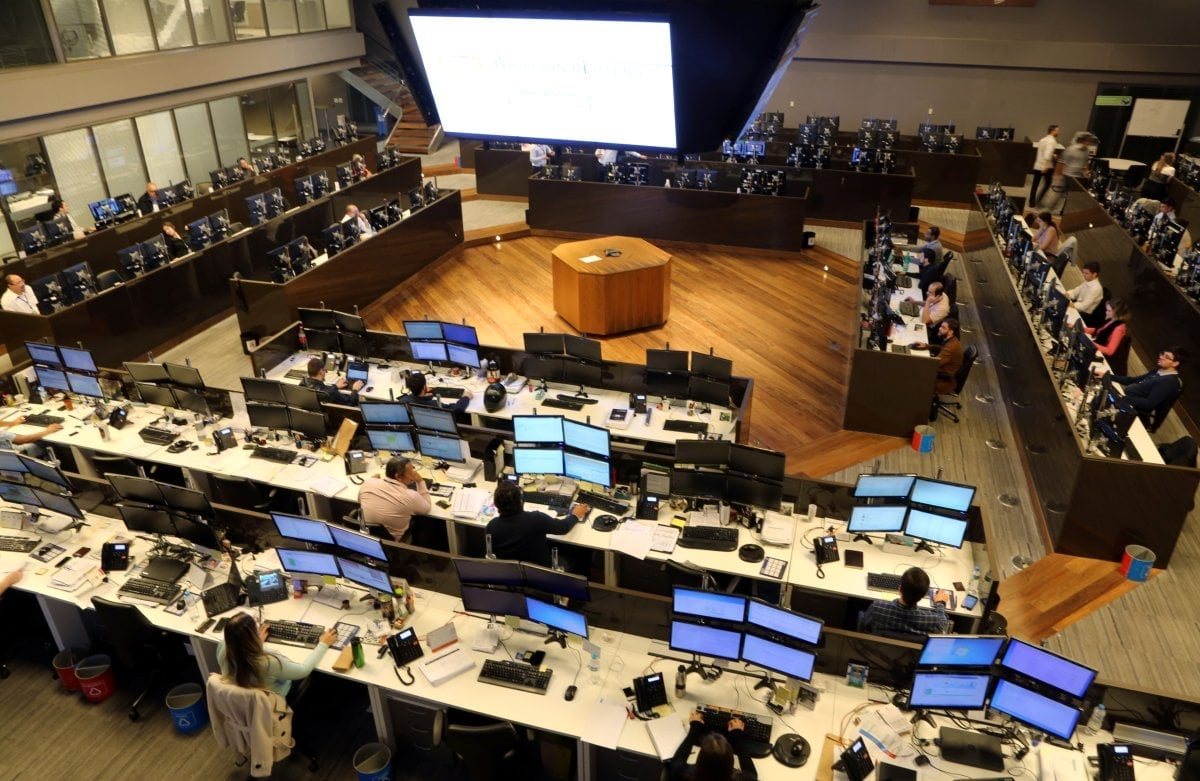
Dubai Islamic Bank shares fell 18% following the release of its third-quarter results, which showed a 10% increase in loan growth. The sharp decline in the bank's stock price overshadowed the expansion in its lending book, signaling that investors were focused on other aspects of the financial update.
The bank, one of the largest Islamic lenders in the United Arab Emirates, reported that its loan portfolio grew by 10% in the third quarter. That growth indicates continued demand for financing from customers, a key metric for banks operating in the region. However, the market's reaction was decisively negative, with the share price dropping nearly a fifth.
The 18% slide in the stock suggests that the loan growth figure alone was not enough to satisfy investors. While the source material does not specify the exact reasons for the sell-off, such a steep decline typically reflects disappointment over profitability, asset quality, or guidance. The bank's shares are likely to remain under scrutiny as analysts digest the full results.
Dubai Islamic Bank has a significant presence in the UAE's banking sector, and its performance is often seen as a bellwether for Islamic finance in the region. The third-quarter update comes amid a broader economic environment in which banks are navigating shifting interest rates and regulatory expectations. The decline in the share price may also reflect broader market sentiment toward banking stocks.
The results and the market reaction underscore the tension between growth and profitability that many banks face. Loan growth can be a positive sign of economic activity, but if it comes at the expense of margins or if it raises concerns about credit quality, investors may punish the stock. In this case, the 10% loan growth was not sufficient to offset whatever concerns drove the 18% decline.
Investors will be watching for further details from the bank's management, including any commentary on net income, provisions, and capital adequacy. The source material does not provide those specifics, but the magnitude of the share price move indicates that the market has already formed a strong reaction. The bank's next steps and any additional disclosures will be critical in determining whether the sell-off persists.
For now, the headline numbers tell a mixed story: lending expanded, but shareholder value took a significant hit. The coming days may bring analyst downgrades or upgrades, and the bank's stock will likely remain volatile as the market reassesses its outlook. The third-quarter results serve as a reminder that in banking, growth alone does not always translate into market confidence.
6