Brick Disappears From New American Homes as Wood Framing Takes Over
Brick covered just 16.8 percent of new single-family homes started in 2025, down from nearly a quarter in 2012, as builders favor faster wood-frame construction with thin brick veneer.
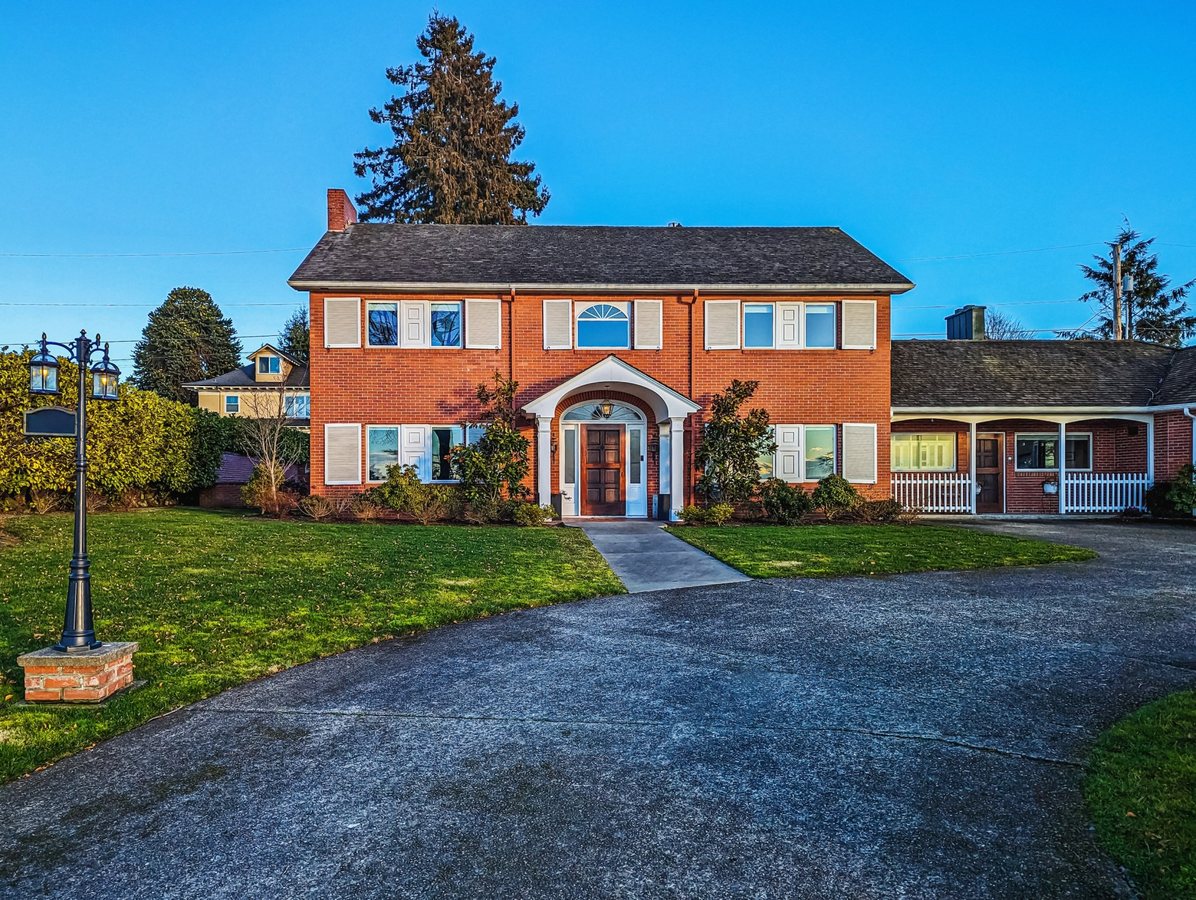
Brick, once the defining material of the American home, now accounts for a small share of new houses. Brick covered 16.8 percent of new single-family starts in 2025, according to an analysis of Census data by the National Association of Home Builders, down from nearly a quarter in 2012. Many of the homes still described as brick are in fact wood-frame houses wrapped in a thin layer of masonry veneer.
The shift traces back to the postwar housing boom, when demand for homes grew quickly and builders turned to faster, cheaper methods. Wood framing could be assembled quickly with lighter labor requirements, while solid masonry demanded skilled masons and more time. The mass-production model pioneered by Levitt & Sons, which built 17,447 houses in Levittown between 1947 and 1951, helped set the pattern. Over the following decades, veneer became the standard approach, and by the 1970s and 1980s it was widely adopted across the industry, according to DiBara.
Labor is now a central constraint. Brick construction requires skilled masons, and that labor pool has been shrinking. The construction industry is estimated to need about 456,000 additional workers in 2027, a gap that makes labor-intensive materials harder to deploy at scale. Builders facing that shortage have had little incentive to return to solid brick, even as the price of homes has climbed.
Durability is where the trade-offs become most striking. Structural brick can last more than 100 years, and some newer products are expected to last about 30. A thin veneer's lifespan, however, is tied to the wood and sheathing hidden behind it. Masonry walls also resist fire, while a wood frame behind veneer can burn. Experts note that a full-depth veneer with an air gap can function as a rainscreen, offering protection from moisture when properly built.
The changing material reflects broader expectations about how long a home should last. The typical seller in recent years had owned their home for about 11 years, while buyers expect a home to last around 15. Builders, according to experts, have prioritized speed over durability, a choice that has been described as a pattern in which nobody was paid for how long a house would last. The postwar ideal of separate single-family homes for nuclear families also shaped the kinds of houses being built.
The market backdrop adds pressure to the discussion. The median existing home sold for a record $440,600 in June, while the median new home price reached $400,400 in September, according to Census data. Those figures frame a debate about whether buyers are getting value for their money when the materials behind their walls may not match the longevity they expect.
Whether brick will return to average homes remains uncertain, and experts disagree on the outlook. Prefabricated brick veneer panels and easier-setting kits could lower the labor barrier, potentially making masonry more practical for builders. Wildfire risk has also renewed interest in fire-resistant materials. Still, most analysts expect any revival to be a niche one, concentrated in fire-prone areas, historic urban neighborhoods and buildings designed for long life. Each of those applications would depend on whether the craft of masonry can be sustained as the veneer era continues to reshape how American homes are built.
Source: fortune.com
9