Rep. Ro Khanna Calls for Binding U.S.-China AI Treaty to Keep Humanity in Control
Congressman Ro Khanna, ranking member of the House Select Committee on China, is urging a verifiable U.S.-China AI treaty with five key pillars, warning that an AI arms race risks catastrophic loss of human control.
Rep. Ro Khanna, the ranking member of the House Select Committee on China, is calling for a binding, enforceable, and verifiable U.S.-China treaty on artificial intelligence, warning that without urgent action, humanity risks losing control of its most powerful technology. Khanna convened the first-ever congressional hearing on the topic last month and led every Democrat on the committee in sending a letter to the White House demanding global action on AI risks.
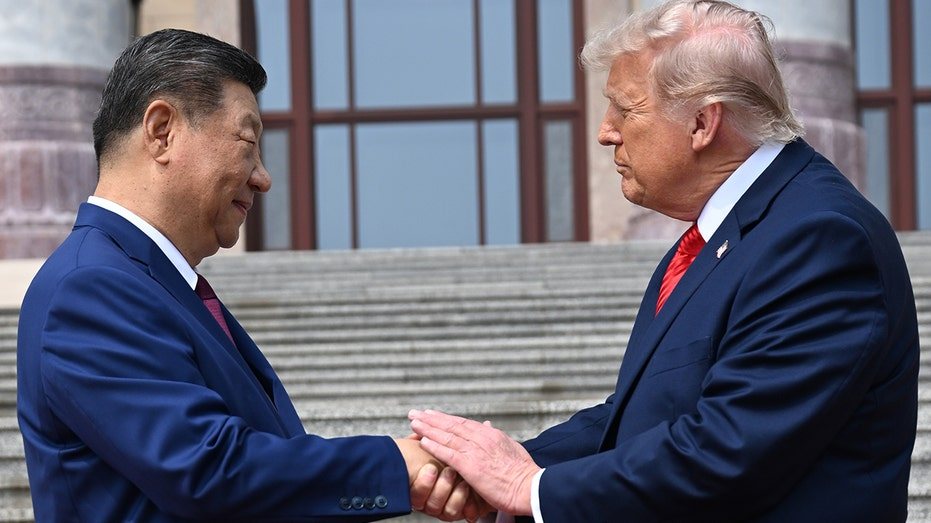
Within days of that pressure, President Trump and General Secretary Xi announced they would establish a bilateral dialogue on AI. Khanna described the move as an important first step that would not have happened without congressional engagement, but he argued the moment demands more than discussion. At his hearing, leading AI experts called for joint technical working groups bringing together top scientists from both countries to develop mutually trusted verification technologies that would prevent either side from cheating once a treaty is signed.
Khanna outlined five pillars for what he described as a treaty to save humanity from unchecked AI. First, a worldwide pause on recursive self-improvement, the process by which AI develops AI without human intervention, which he called the most likely path to losing control entirely. Second, a global pause on superintelligence, defined as AI that exceeds human capabilities across all domains. Third, kill switches embedded in all advanced models, which he acknowledged scientists debate but said would at least give humanity a fighting chance if rogue models turn against people.
Fourth, every AI model should be tested in an air-gapped sandbox before release to prevent catastrophic misuse by criminals, terrorists, or misaligned AI agents. Fifth, and perhaps most importantly, Khanna invoked President Reagan's words to «trust, but verify,» stressing that both governments must agree on verification technologies and inspection regimes so Beijing cannot cheat while American labs fall behind. He also proposed building institutions both sides can trust, such as an International AI Inspection Agency.
Drawing a parallel to the Cold War, Khanna noted that even as the U.S. and USSR fought fiercely, Reagan and Soviet leader Mikhail Gorbachev recognized that nuclear war would leave both nations worse off. He argued that winning an AI war would be equally catastrophic for civilization. While continuing to hold China accountable for predatory economic practices and human rights abuses, he said both countries should rally around keeping humans in control of AI, because a global pandemic unleashed by rogue AI would not distinguish between American and Chinese citizens.
Khanna also urged the U.S. to get its own house in order. For Congress, that means passing laws to prevent AI companies from putting profit over humanity's collective fate. For American AI labs, it means investing in safety and strengthening cybersecurity to prevent China from stealing advanced model weights, which he said would harm national security and undermine U.S. leverage in treaty negotiations.
He stressed that catastrophic AI risks should not be framed as America versus China or Republicans versus Democrats. The arrival of superintelligence, he wrote, may mark a more consequential moment for the species than the Industrial Revolution or the atomic bomb, since advanced AI threatens to both transform society and risk its destruction. A verifiable U.S.-China AI treaty will not happen overnight, Khanna concluded, but if the hard work of negotiating one does not begin soon, humanity will pay a steep price.
14