Moscow Teen’s Detention Raises Questions About an Alleged AI Face Match
The family says police cited an 85–90% AI match after detaining a 15-year-old on his way to school. That specific claim has not been independently confirmed.
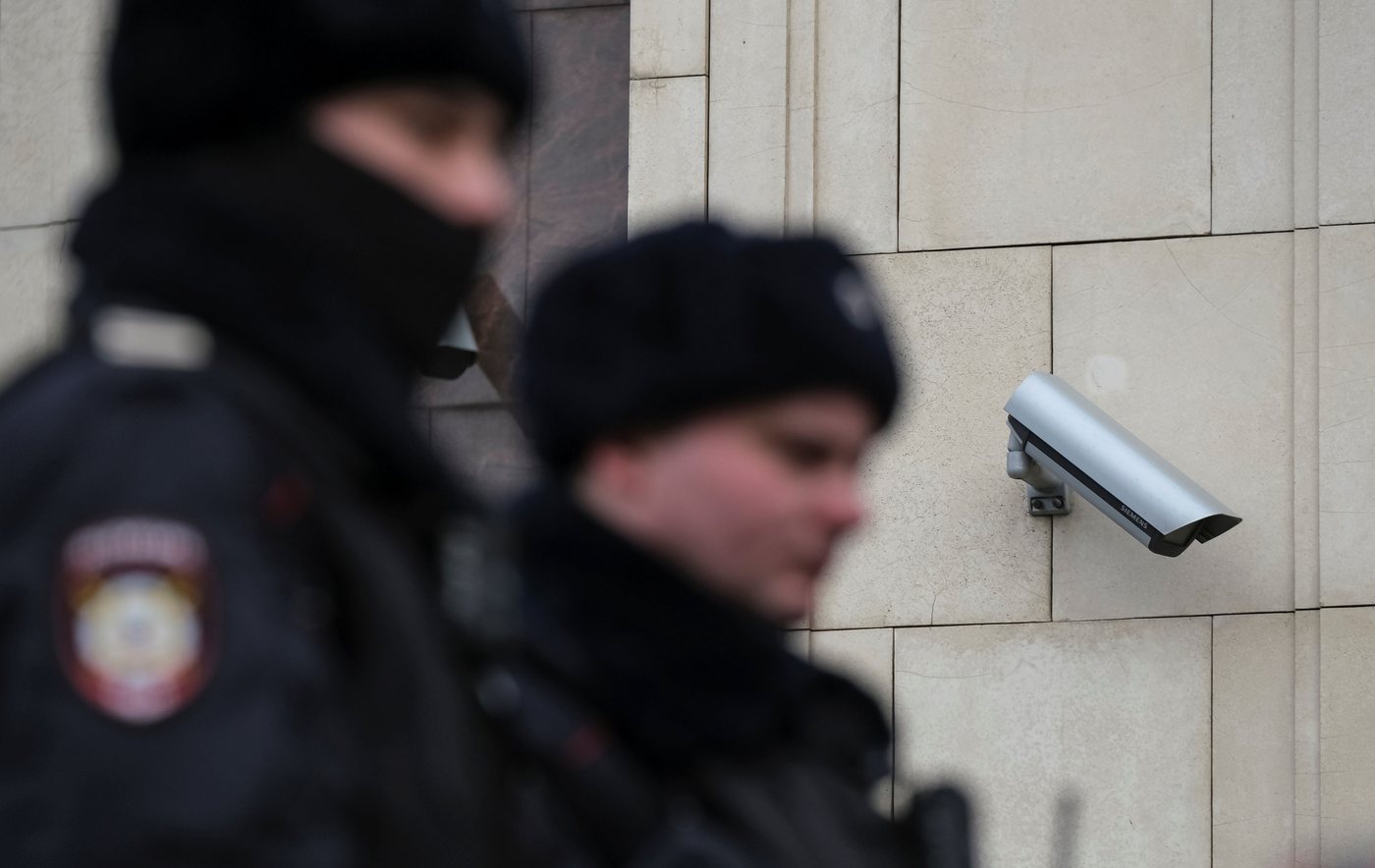
A 15-year-old boy was detained on his way to school in Moscow after police apparently mistook him for a suspect. Months later, his family says the mistake may have begun with an artificial-intelligence system that produced what officers described as an 85–90% match to a wanted person.
The core of the incident was reported in May. Novaya Gazeta Europe, citing the boy’s mother and an initial report by Ostorozhno Media, said he was stopped on the morning of May 4 on Garibaldi Street. His mother said plainclothes officers knocked him down, bound his hands with a belt and put him in a vehicle. She said the family was not promptly informed that the minor had been taken into custody.
The newer AI detail comes from the boy’s father, who spoke to Ostorozhno Media. He said officers questioned the teenager about suspected drug distribution. Roughly two and a half hours after the detention, according to the family, police contacted the boy’s mother and told her that an AI-based system had identified an 85–90% similarity with the person in an alert. No public police statement has independently confirmed that figure, and the system has not been named.
Moscow does use facial recognition for law enforcement. The city’s official transportation portal describes Sfera, a video-analytics system deployed in the subway that converts faces into biometric templates, checks them against police databases and alerts officers when it identifies a wanted person. There is no evidence that Sfera itself was involved in the Garibaldi Street detention.
The distinction matters because a facial-recognition score is not the same thing as a universal probability that two people are identical. The U.S. National Institute of Standards and Technology evaluates one-to-many facial-recognition systems by measuring, among other things, false positive identification rates. A system’s threshold, the quality of the image, the size and composition of the database and the particular algorithm can all affect whether a wrong candidate is returned.
The boy’s family says the consequences were physical. Novaya Gazeta Europe reported that doctors diagnosed a concussion after his release. Ostorozhno Media’s later account, citing medical documents, also lists a closed head injury, a hematoma near the upper lip, a bruise on the back of the chest and abrasions on both wrists.
Police offered a different account of why force was used. A written response quoted by the family says the teenager actively resisted, injured officers and attempted to flee, leading police to use physical force and combat restraint techniques. The family disputes that version.
The parents filed complaints with police and Russia’s Investigative Committee. Ostorozhno Media says the review has continued without a final result being communicated to the family.
The episode illustrates why the crucial question in automated policing is not simply whether an algorithm can find a similar face. A system can generate a lead; human officers decide what to do with it. If the family’s account of the AI match is accurate, investigators will need to establish how that lead was checked, what information officers had about the teenager’s age and identity, and why an apparent identification error was not corrected before the encounter escalated.
76