iPhone 18 Pro introduces first physical aperture in iPhone history
Apple's iPhone 18 Pro features a mechanical aperture system with six laser-cut blades, replacing the software-based Portrait Mode blur used since 2016. The camera offers four f-stops down to f/1.48, improved low-light performance, and manual Pro Controls.
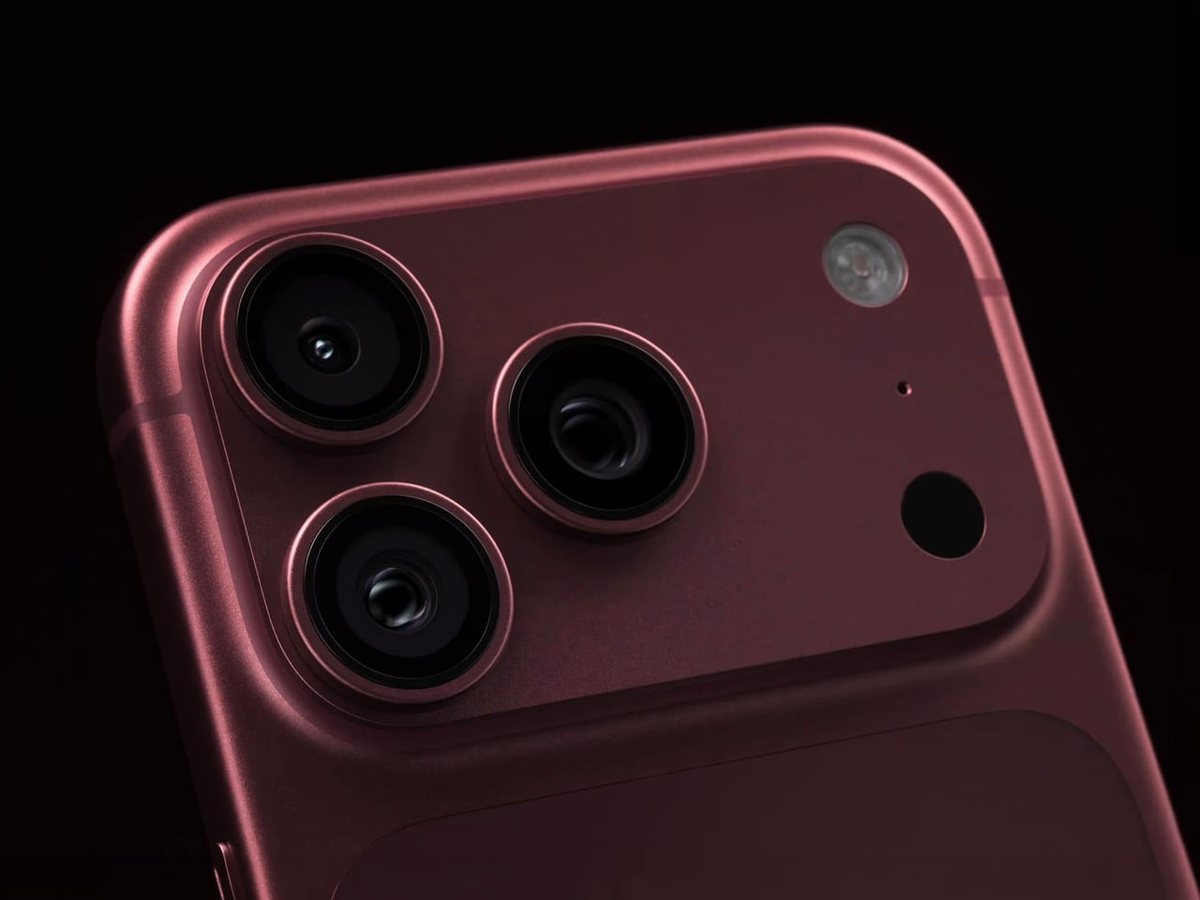
Apple has equipped the iPhone 18 Pro with a physically adjustable lens aperture for the first time in iPhone history, replacing the software-based depth simulation that has powered Portrait Mode since 2016. The new main camera uses six laser-cut blades, each thinner than a human hair, arranged around the lens and driven by a tiny rotor mechanism. This mechanical system shifts the aperture through four stops, down to f/1.48, with a default of f/1.8 for everyday portraits.
Previous Portrait Mode shots relied on a second lens or depth data to estimate where the subject ended and the background began, then applied software blur to everything behind that outline. The result was often imperfect, with hair strands disappearing into smudges or jewelry being blurred along with the wall behind it. The new optical system eliminates that guesswork by controlling depth of field the same way a traditional camera lens does, allowing fine details like hair, glasses, and accessories to render properly instead of being accidentally smeared.
The aperture also adapts automatically to shooting conditions. In low light, it opens wider to capture roughly 50 percent more light, which should produce cleaner night shots and sharper astrophotography without requiring higher ISO settings that introduce grain. Closing the aperture down brings more of the scene into focus for group shots, a tradeoff photographers have managed with conventional cameras for decades.
Apple has paired the hardware with new Pro Controls in the redesigned camera app. Users can manually select one of the four aperture settings, check exposure with a histogram, adjust white balance, and control shutter speed for motion blur or freeze-frame shots. Third-party camera applications will also gain access to the aperture system through an updated API, extending the feature beyond Apple's own software.
The upgrade extends to video as well. Cinematic mode effects can now be applied after footage has been recorded, and the mode supports 60fps for smoother half-speed slow motion. Time-lapse capture has been upgraded to 4K with Dolby Vision HDR. While these video features do not depend directly on the aperture blades, they are part of a broader push this year to give users more creative control over their captures.
The iPhone 18 Pro arrives in a redesigned body with color-matched aluminum and back glass, available in Black, Silver, the new Glacier, and Burgundy. Pricing starts at $1,199 for the Pro and $1,299 for the Pro Max. Preorders open September 12, with shipping beginning September 18. The mechanical aperture, though nearly invisible to the user, may prove to be one of the most significant camera changes Apple has introduced in years.
101