FCC restricts foreign-made robots and power inverters over China security fears
The Federal Communications Commission has placed foreign-produced advanced robots and connected power inverters on its Covered List, blocking many new models from receiving the authorization needed to enter the US market. China is reportedly the main target, with officials citing surveillance, cyberattack and supply chain risks.
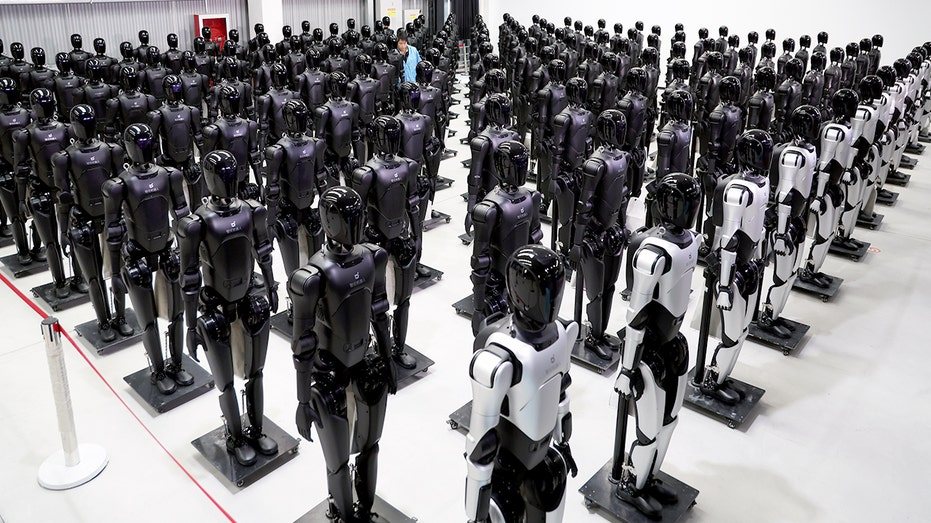
The Federal Communications Commission has added foreign-produced advanced robots and connected power inverters to its Covered List, a move that effectively blocks many new models from receiving the authorization required to be imported and sold in the United States. The action, announced July 28, is aimed at preventing surveillance and cyberattacks, with China reportedly at the center of the crackdown.
Most connected electronic products must receive FCC authorization before companies can bring them into the US market. By placing advanced robotic equipment on the Covered List, the agency bars new models from getting that approval. Officials are concerned that robots equipped with cameras, microphones and other sensors could be used by hostile governments to monitor Americans or gather intelligence from sensitive locations. Because many of these machines connect to cloud services for AI processing, software updates and remote support, they also present a potential entry point for hackers who could collect data or even interfere with a robot's movements.
The restrictions primarily affect new models that have not yet received FCC authorization. Previously approved products can remain on the market, although the FCC retains the authority to revoke earlier approvals. Companies may also seek conditional approval, and federal national security agencies can review a device to determine whether it poses an acceptable level of risk. Officials reportedly expect many non-Chinese suppliers to receive exemptions, suggesting the broad restriction will hit Chinese manufacturers hardest.
The FCC's action extends beyond the consumer gadget market. Humanoid robots are being prepared for factories and warehouses, while researchers are testing them in laboratories. Four-legged robots are used to inspect dangerous areas or patrol large properties. These machines see and hear a lot: cameras, microphones, mapping sensors and object-recognition systems are standard on many models. A hacked robot, officials warn, can move through a building while recording what it sees and operating near valuable equipment.
The risks are not merely hypothetical. A recent security report involving Yarbo robot mowers raised concerns about remote access, live camera feeds and saved Wi-Fi information. Federal national security agencies say the same kind of vulnerabilities in a larger, more powerful robot working inside a factory or research lab could create unacceptable cybersecurity and supply chain risks.
Power inverters, which rarely attract the same attention as walking robots, are also central to the FCC's decision. Inverters convert direct current electricity, the type generated by solar panels and stored in batteries, into alternating current, which homes, power grids and data centers need. Many modern inverters connect to the internet so operators can check performance, install updates and make remote adjustments. But that remote access also creates a potential doorway for attackers. Federal officials worry that foreign companies or hackers could interfere with connected inverters, potentially disrupting equipment or exposing information about how energy moves through a facility. A major interruption could affect internet cloud services and the businesses that rely on them.
Lawmakers had already begun moving in a similar direction. A bipartisan proposal introduced in Congress would block federal agencies from using certain robots tied to foreign adversaries. The FCC's latest action reaches further, because it can prevent new products from entering the broader American market in the first place.
The broader context is a growing effort to reduce America's reliance on Chinese technology. Chinese companies have become major players in advanced robotics and connected energy equipment, and the Trump administration hopes the restrictions will encourage companies to move more manufacturing to the United States. The FCC did not order Americans to surrender robots they already own, nor did it require retailers to remove foreign robots from store shelves. The restrictions are aimed at the next generation of devices seeking FCC approval.