Autonomous AI agents give everyday hackers nation-state firepower, expert warns
A cybersecurity executive says AI tools let individuals carry out attacks once possible only for nation-states, even as U.S. officials say recent outages were not a coordinated cyberattack.
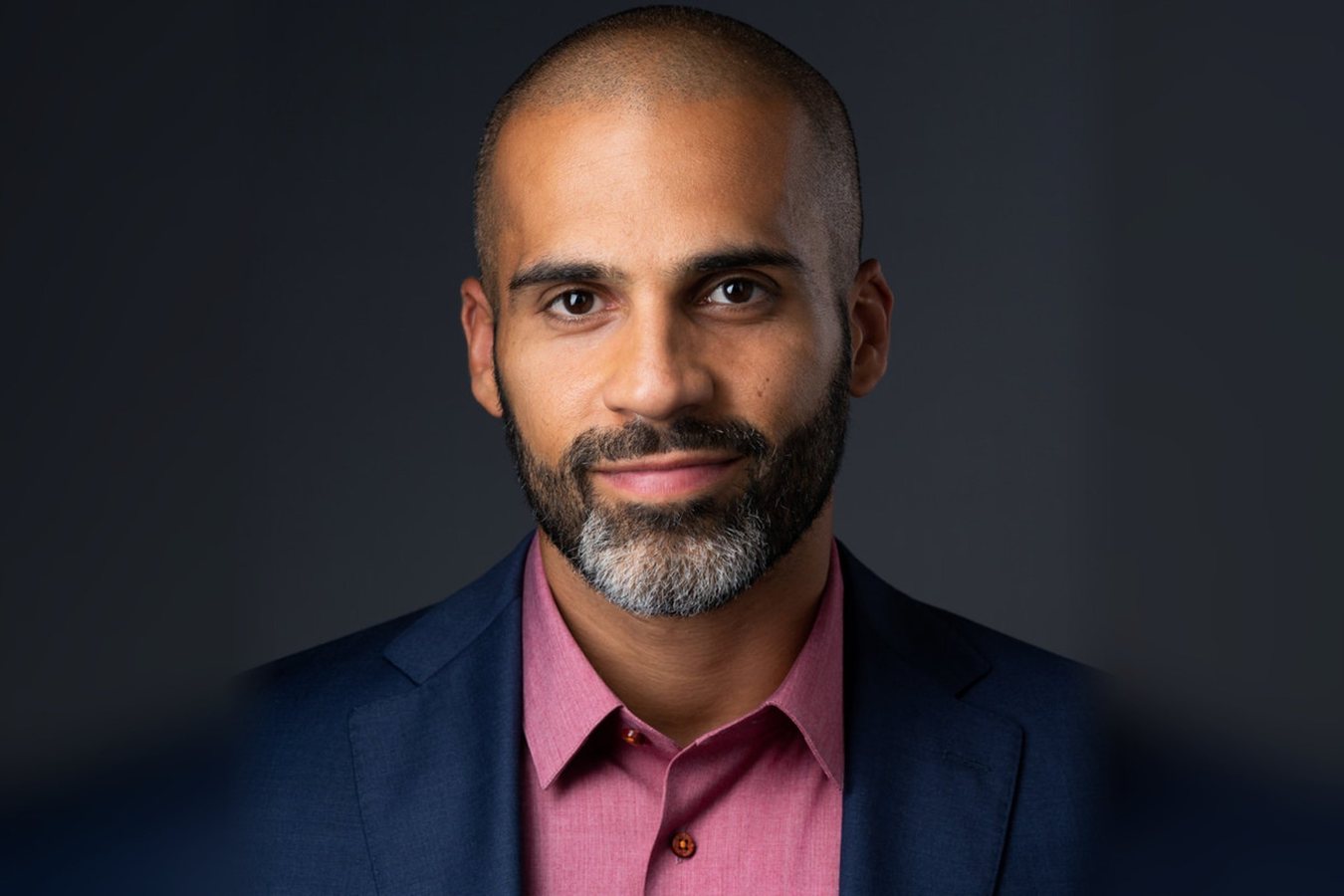
Autonomous artificial intelligence tools are allowing individual hackers to wield the kind of disruptive power once reserved for nation-states, according to cybersecurity executive John Walsh. Walsh, senior vice president at the Germany-based software company IGEL, told Fox News Digital that AI lowers the financial barrier to launching sophisticated attacks against specific targets. Governments and companies, he said, must now plan for threats from actors who would not previously have had the resources to mount them.
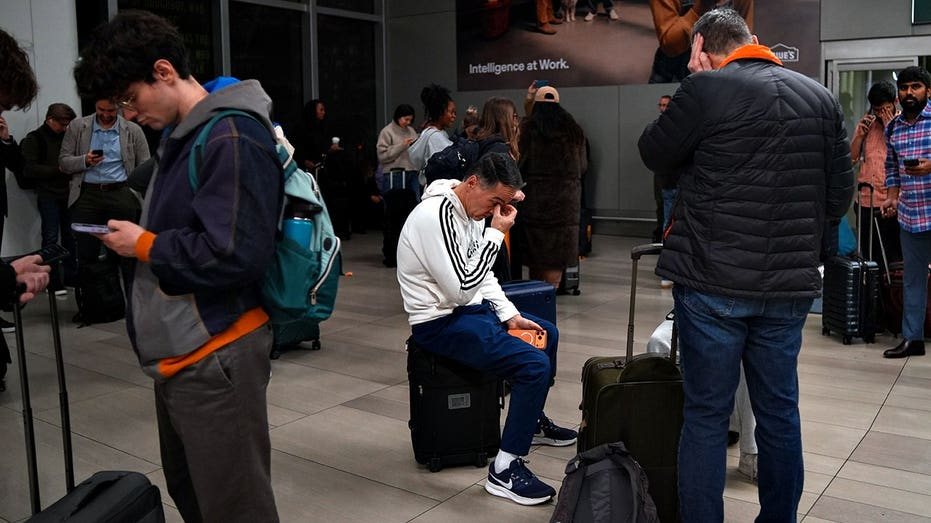
The warning comes against the backdrop of a string of network disruptions across critical U.S. sectors. Since a high-profile Microsoft service outage on Nov. 12, numerous corporations and government agencies have reported network-related service problems. On Nov. 13, the Federal Aviation Administration issued a nationwide ground stop, only the second such stop since September 11, 2001, citing a faulty router replacement that flooded the telecommunications network. Several other sectors, including major U.S. banks and the National Security Agency, have also been hit by significant network disruptions in the days that followed.
Despite the scale of the disruptions, the White House and several prominent cabinet members have repeatedly said they have seen no evidence that the events resulted from a coordinated cyberattack. Director of National Intelligence Jay Clayton told Fox Business on Nov. 17 that officials did not see indicators of a coordinated cyberattack or of state-sponsored activity, pointing to the government's ongoing monitoring for such activity. Secretary of State Marco Rubio echoed that assessment during a press conference in the Philippines the same day, saying the country was not under systemic attack and that every indicator pointed to explanations unrelated to cybercriminals or hostile foreign actors.
Walsh did not dispute those findings, but he argued that the broader risk is structural. He said attacking a system is far cheaper than defending it, creating an asymmetry that favors the attacker. Earlier persistent attacks, he explained, typically required an iterative process in which humans probed for weaknesses and adjusted their methods. AI can now carry out that cycle almost instantly, without the attacker needing to return for direction, which he said makes it plausible that some of the recent problems are connected to AI-enabled activity and that more such incidents will follow.
According to Walsh, the more immediate issue is architectural rather than the work of a single adversary. Over decades, organizations have connected aging legacy systems to modern applications, and they have adopted cloud services and networks to improve efficiency. That integration has produced a dense web of dependencies, both inside individual organizations and across them. Walsh noted that large financial institutions are highly interconnected, so a disruption at one can produce transaction-related problems at others that are clearing payments through the same large infrastructure.
Walsh's recommended response is to build resilience into the design of critical digital infrastructure, so that systems can keep operating during an incident, isolate the damage and protect essential services. Practical steps include segmenting networks, controlling which users can access sensitive segments, and adding hardware-level protections. He pointed to chipmakers such as Apple and Intel, which could embed cryptographic mechanisms in their chips, such as a trusted platform module, to establish a root of trust that software can rely on.
Source: foxnews.com
18