
A Year of Good AI Advice Ended With 25 Acres of Dead Sesame
A 67-year-old farmer in China trusted an unnamed AI app after months of useful guidance. One pesticide recipe then devastated roughly 10 hectares of sesame.
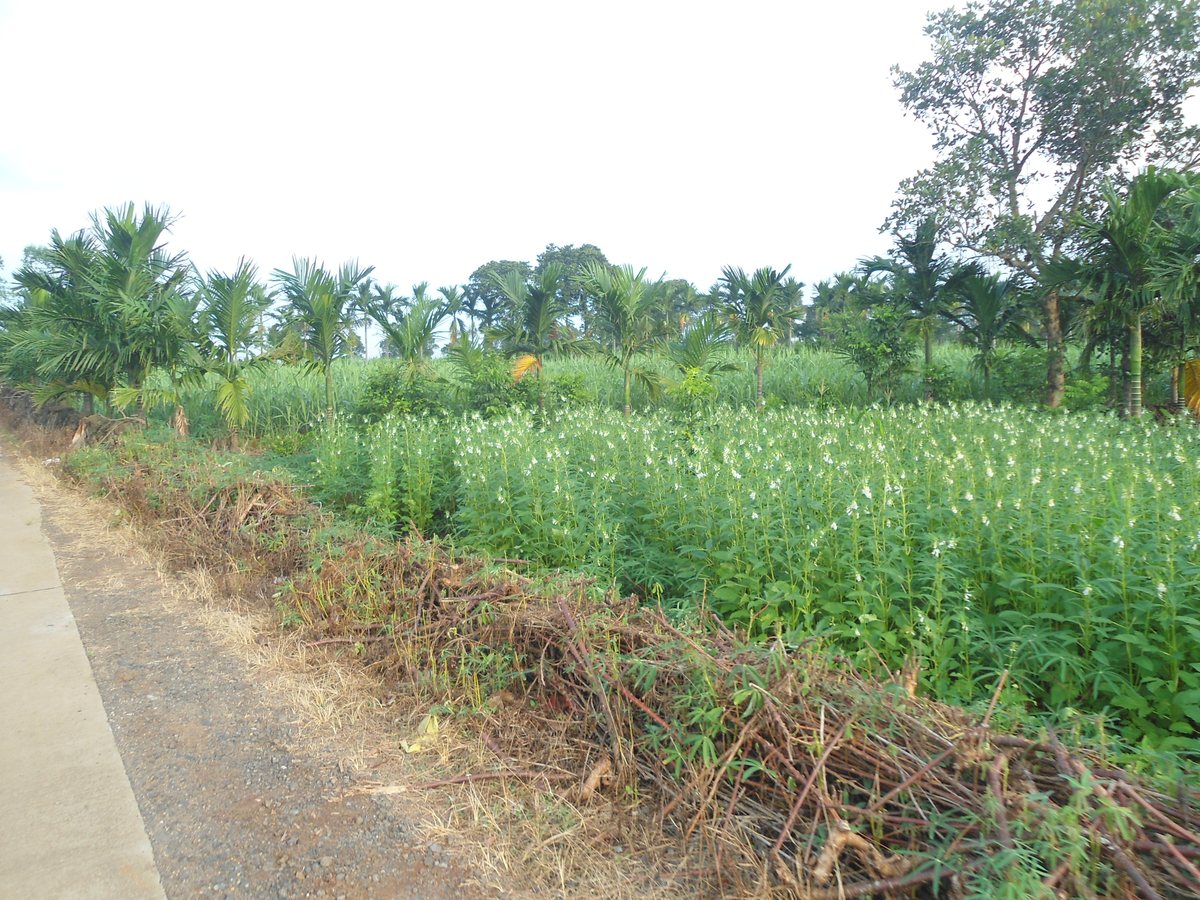
For about a year, a 67-year-old farmer surnamed Wu in Chuzhou, China, treated an AI app as a useful extra set of eyes on his farm. He asked about weather, fertilizer and pests. The answers were helpful often enough that his initial skepticism faded.
Then came a problem that demanded more than general information. Wu wanted to control weeds and pests in a sesame field. According to Taiwanese outlet CTWANT, as reported by Tom’s Hardware and The Economic Times, the unnamed AI service produced a chemical treatment plan. Wu followed it without first checking the recipe with an agricultural technician.
By the next morning, the treatment had done more than kill weeds. Sesame seedlings were dying across 150 mu of land — about 24.7 acres, or roughly 10 hectares. The available reports do not provide a reliable monetary estimate for the loss, and they do not identify the AI app or model. That matters: the incident cannot responsibly be attached to a familiar brand simply because it involved generative AI.
One herbicide named in the reporting was fomesafen, a chemical used to control broadleaf weeds. China’s pesticide-registration system lists fomesafen products for specific uses such as soybean fields and includes warnings about sensitive non-target crops. Agricultural specialists cited in the original reporting pointed to that ingredient when explaining the sesame damage.
The larger problem was not that Wu had never learned to be cautious. He reportedly had. Early on, he checked the AI’s recommendations before acting. But repeated success changed the way he judged the tool. A warning on the chat page reportedly said AI-generated information could be wrong and should be verified. After a year of useful advice, the generic disclaimer was no longer enough to trigger the behavior it was meant to encourage.
That is a difficult safety problem because trust is earned through experience. A system can be correct ninety-nine times and still fail on the one answer that controls a chemical sprayer. The physical world does not offer an undo button.
Agronomy makes pesticide advice especially unforgiving. Herbicide safety depends on the crop, growth stage, active ingredient, dose and method of application. A 2024 Chinese study evaluating post-emergence broadleaf weed control in sesame found wide differences in crop safety among treatments. In other words, identifying a chemical that kills a weed is only the beginning of the question.
China’s researchers are already building tools around that distinction. In May, Xinhua reported the launch of Green Shield, a specialized crop-protection large language model. Its developers said general-purpose LLMs can produce inaccurate or poorly standardized pesticide advice. Green Shield is designed to cross-reference the national pesticide-registration database and reject noncompliant suggestions.
Wu’s case turns an abstract warning about AI hallucinations into a field-scale lesson. The next step for high-stakes AI may be less about sounding smarter and more about knowing when not to give a recipe at all — or when a human agronomist must be placed between the answer and the machine that sprays it.
77