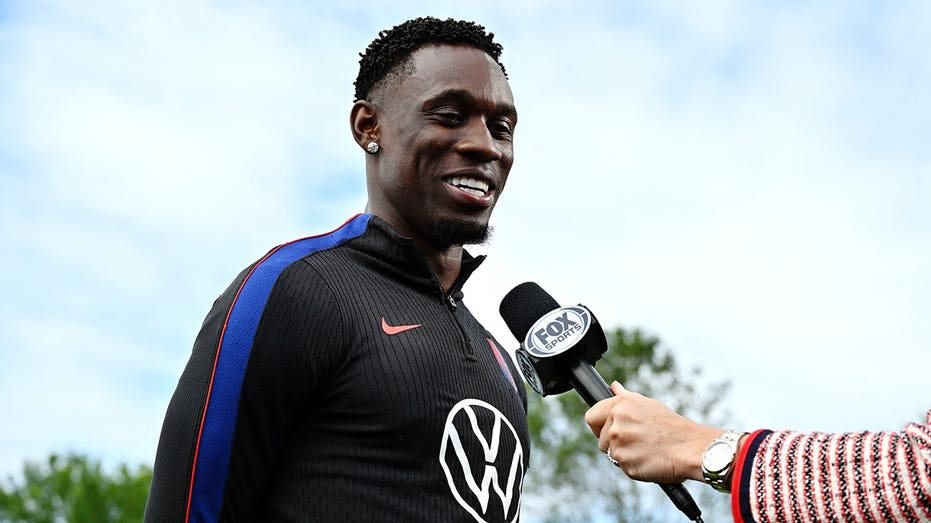
European soccer's governing body, UEFA, issued a blistering statement on Monday criticizing FIFA's decision to suspend the one-game red card ban imposed on United States men's national team star Folarin Balogun. UEFA argued that the move undermined the fundamental rules of football and set a dangerous precedent for the sport. The controversy erupted after Balogun received a red card during the U.S. win over Bosnia and Herzegovina for stepping on an opponent's ankle during a VAR review, a decision many analysts considered harsh.
In its statement, UEFA declared that FIFA's action «crossed a red line.» The organization emphasized that a minimum automatic suspension of one match following a red card is not a discretionary option and does not require the decision of a competent body to be enacted. «It is a principle embedded in regulations, which cannot be made subject to exceptions, let alone in the middle of a tournament where several other players have been in the same situation and regularly served their suspension,» UEFA said. The statement further expressed disbelief at what it called an «unprecedented, incomprehensible and unjustifiable decision,» warning that it could raise questions about the integrity of the World Cup.
The decision to suspend Balogun's ban came after President Donald Trump personally called FIFA President Gianni Infantino to request a review of the red card, according to a source familiar with the matter. Trump, along with Commerce Secretary Howard Lutnik and White House task force leader Andrew Giuliani, assembled a team of lawyers to challenge the use of slow-motion replay in issuing the red card, as reported by OutKick founder and Fox News contributor Clay Travis. The White House intervention drew sharp criticism from former FIFA President Sepp Blatter, who wrote on social media, «Red cards are not overturned by political phone calls. They are overturned by rules, evidence and independent bodies.» Blatter, who was banned twice by FIFA after a corruption investigation, questioned whether football had become a «playground for political power.»
Belgium, the U.S. opponent in the Round of 16 match, was reportedly granted the right to appeal the decision and asked FIFA for a comprehensive explanation. The Royal Belgian Football Association (RBFA) said it was «astonished» by the ruling. Belgium coach Rudi Garcia mocked the decision, saying through a translator, «I didn't know that in the offices of FIFA the fifth of July was the first of April in Europe.» Garcia added that the Belgian federation defends football's integrity and ethics, and he believed this was the first time in World Cup history such a decision had been made. The incident has sparked a broader debate about the role of external influence in sports governance and the consistency of disciplinary actions in major tournaments.
UEFA's statement also highlighted concerns about the precedent set by FIFA's decision, noting that a tournament, especially the World Cup, has the power to drive positive or negative consequences on the game as a whole. «Football is the most loved sport in the world because it is a beautiful game and is trusted because it is played everywhere with the same laws,» the statement continued. The governing body warned that allowing exceptions to automatic suspensions could undermine the fairness and transparency of competition. The controversy has drawn attention to a little-known FIFA rule that may have been used to overturn the ban, though officials have not provided a detailed explanation.
Balogun was cleared to play in Monday's Round of 16 match against Belgium, a development that has divided the soccer community. Supporters of the decision argue that the red card was incorrectly issued because the contact was incidental, with both players going for the ball. Critics, however, contend that the intervention by political figures and the lack of transparency in FIFA's process damage the credibility of the sport. The incident has also reignited discussions about the use of VAR technology and its impact on the flow and fairness of the game. As the World Cup continues, the fallout from this decision is likely to influence future disciplinary protocols and the relationship between sports organizations and political entities.