Sarah Spain criticized for personal attack on WNBA's Sophie Cunningham
Sports host Sarah Spain is facing backlash after a personal attack on Indiana Fever guard Sophie Cunningham over her stance on transgender athletes and her alleged lack of empathy, with critics noting Spain's own evidence contradicted her claims.
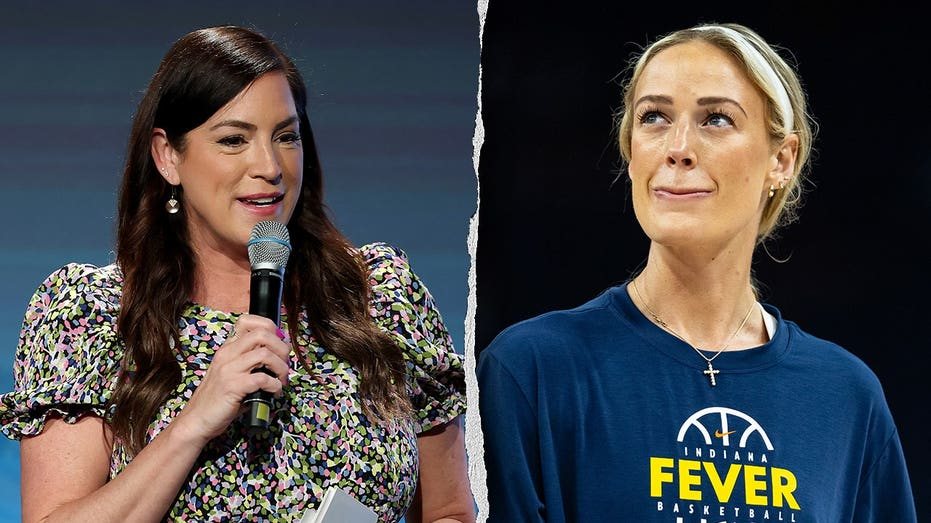
Sarah Spain, a prominent sports commentator known for her advocacy of women's sports, is drawing criticism for what many describe as a personal smear against WNBA player Sophie Cunningham. During a recent episode of her podcast "Good Game," Spain launched into a heated critique of Cunningham's position on transgender athletes competing in women's sports. Rather than focusing on the policy debate, Spain attacked Cunningham's character, motives, upbringing, and family, accusing the Indiana Fever guard of lacking empathy for anyone but herself.
Spain's comments came after reading a quote from Cunningham's recent ESPN profile. In the interview, Cunningham explained her opposition to allowing biological males to compete against girls and enter their locker rooms. "I think that I am here to extend love, but I also think that with love is truth, being honest, and I want to protect young girls in a locker room, or young girls in sport, who shouldn't have to go against biological men," Cunningham said. Despite this statement explicitly expressing concern for others, Spain concluded that Cunningham "doesn't have any interest in empathizing or caring about anyone but Sophie." Critics have pointed out that Spain's own evidence directly contradicted her accusation.
The attack escalated when Spain addressed Cunningham's experience with stalking. An Indianapolis man has been charged with felony stalking and intimidation, as well as misdemeanor harassment, for allegedly targeting Cunningham over an extended period. According to court filings, the man allegedly hand-delivered a package to Gainbridge Fieldhouse and posted sexually explicit messages referencing his physical proximity to Cunningham. The situation was severe enough that the man also allegedly threatened John Ball, a security executive for Pacers Sports & Entertainment. Ball told investigators that the man referenced his wife and county of residence, prompting him to change his routine, carry a firearm, and request additional police patrols. Cunningham told investigators that the stalking caused her to stay home more often, suffer nightmares, and feel unsafe. Spain, however, referred to Cunningham as someone who "complains of stalkers," minimizing the seriousness of the ordeal.
Spain went on to accuse Cunningham of failing to discuss harassment directed toward other WNBA players, particularly Black and queer players. She described Cunningham's comments about protecting girls as "filled with offensive language" and "entirely lacking nuance or care." Yet, Cunningham's own words—calling for love, truth, honesty, and protection of young athletes—do not appear to contain offensive language. Many observers have noted that Spain's critique seemed to hold Cunningham to a standard of publicly addressing systemic issues even while facing a credible threat to her own safety. The incident has reignited debates within sports media about how women who hold dissenting political views are treated by commentators who claim to champion women's rights. Spain, who frequently refers to the NBA as the "MNBA" to assert that the WNBA is not a secondary league, is now facing accusations of hypocrisy for her treatment of a fellow female athlete.
Sophie Cunningham, a guard for the Indiana Fever, has not publicly responded to Spain's remarks. The WNBA All-Star weekend, during which the controversy emerged, proceeded without an official statement from the league or team. The case against the alleged stalker remains ongoing. Meanwhile, the incident has drawn attention to the often charged intersection of sports, politics, and personal safety. Critics argue that Spain's attack was not just a disagreement over policy but a deeply personal assault that used Cunningham's own traumatic experience as a weapon. Supporters of Spain may view her criticism as justified given Cunningham's stance on transgender participation, but the evidence shown during the podcast seems to undercut Spain's central claim that Cunningham is selfish. As the story continues to develop, it highlights the intense scrutiny that female athletes face when they express opinions on controversial social issues, particularly when those opinions diverge from the mainstream within the sports media landscape.