Rally supporting Sophie Cunningham set for Fever-Lynx game in Minnesota
Jennifer Sey is organizing a «Sophie Night» rally outside Target Center before Sunday's Indiana Fever-Minnesota Lynx game, extending the «Save Women's Sports» movement to a third WNBA road game.
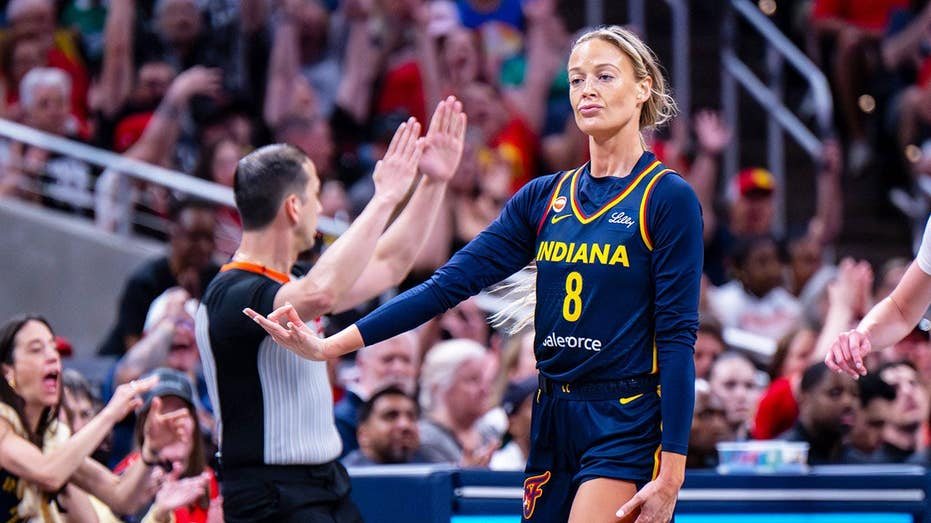
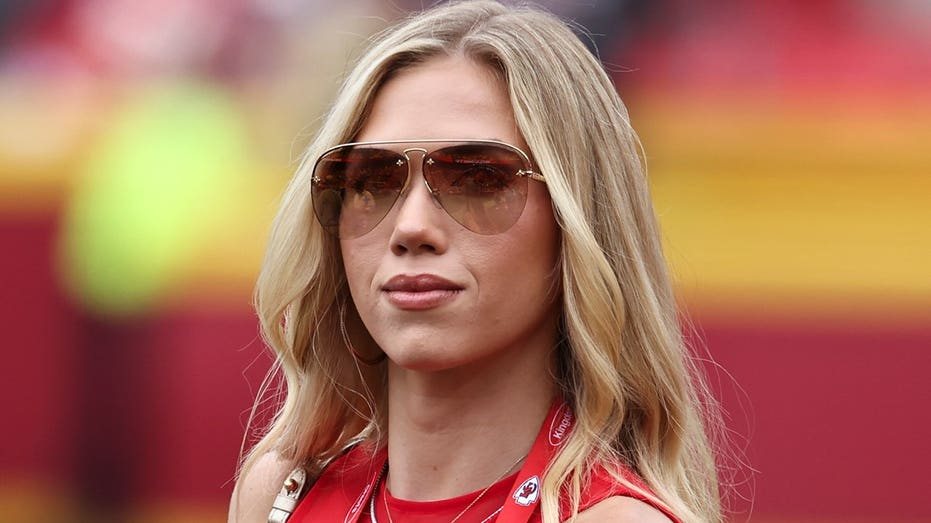
Jennifer Sey, a former U.S. national gymnastics champion and founder of XX-XY Athletics, is organizing a «Sophie Night» rally outside Target Center in Minneapolis before the Indiana Fever face the Minnesota Lynx on Sunday at 1 p.m. ET. It will be the third consecutive Fever road game accompanied by a demonstration supporting WNBA guard Sophie Cunningham.
Sophie Cunningham has become a flashpoint in the national debate over transgender athletes in women's sports after saying she wanted to protect girls in locker rooms and athletic competitions from having to compete against «biological men.» She later described her position as «common sense» and refused to back away from it.
The movement began in Seattle on Tuesday, continued in Portland on Friday, and will now move into Minneapolis, another deeply Democratic-leaning city. Sey said she was encouraged by the response in Seattle, where she said supporters of Cunningham outnumbered counterprotesters by roughly 10 to one. She expects the Minnesota rally to draw a larger crowd because of the attention generated by the earlier events, and she acknowledged it could be more tense.
«I think there will be more people there than there were in Seattle, just because now there's been so much attention put on Seattle,» Sey said. «And I think there could be more contentiousness. But our intent is to be, of course, very peaceful and nice. We just want to honor Sophie and thank her, because it really is meaningful in this fight.»
The Minnesota stop will put the movement face to face with one of the WNBA's most visible supporters of transgender inclusion. Lynx head coach and president of basketball operations Cheryl Reeve has criticized political efforts to restrict transgender athletes, calling them «sort of sickening» and arguing that lawmakers are attempting to manufacture a problem. «Exclusion is never the answer, separate isn't equal, and trans lives matter,» Reeve said.
Sey rejected that argument. «There would be no WNBA if there was no such thing as women's sports,» she said. «A third-rate NBA player that never sees time on the court would slay in the WNBA, and we all know it. This isn't about trans. This is about males in women's sports. Women's sports are for women.»
The WNBA has not suspended Cunningham or fined her over her comments, although Sey argued that the league has still not publicly supported the Fever guard. «Sophie Cunningham made a clear statement. She didn't back down. She hasn't been suspended by her team or from the league. I believe just a year ago she would've been. So that is progress. But she also hasn't been supported,» Sey said.
The controversy escalated during Tuesday's game at Climate Pledge Arena in Seattle, when an incident inside the arena drew widespread attention. The league later fined a spectator an undisclosed amount and barred the spectator from Seattle's next five home games. Storm majority owner Ginny Gilder issued a public apology, but the family of one of the girls involved said the spectator had not contacted them directly.
Prominent advocates for women's sports said the league's response so far suggests a shift. Kim Jones, co-founder of the Independent Council on Women's Sports, said the WNBA has made clear that it will allow athletes to speak on the issue without immediately facing punishment. «I'm glad to see that they are not censoring or punishing their athletes for speaking up,» Jones said. She called that response «the bare minimum,» adding that the league should do more to protect the female category and listen to female athletes.
Fencer Stephanie Turner, an ICONS ambassador, became a national figure in 2025 after refusing to fence a transgender opponent at a USA Fencing-sanctioned tournament. She was disqualified and placed on probation, though USA Fencing later changed its eligibility rules to prohibit biological males from the women's category. Turner said she was surprised Cunningham had not faced more backlash from the WNBA, adding that historically it has been difficult for women to express such opinions without strong organizational blowback. She also said the treatment of the teenagers in Seattle disturbed her even more.
Sey said she decided to attend the Minnesota game after watching the response in Seattle, and she hopes the event sends a clear message that women's sports are reserved for women. The rallies have turned WNBA road games into a visible front in the broader movement over gender and athletic competition, with organizers expecting the Minneapolis event to become the largest demonstration so far.