Charley Hull Refuses to Apologize for Caddie Scratch-Off Prank
Professional golfer Charley Hull is standing by her caddie prank with a fake scratch-off ticket after online backlash, while Jordan Spieth warns gambling is fueling rowdy crowds.
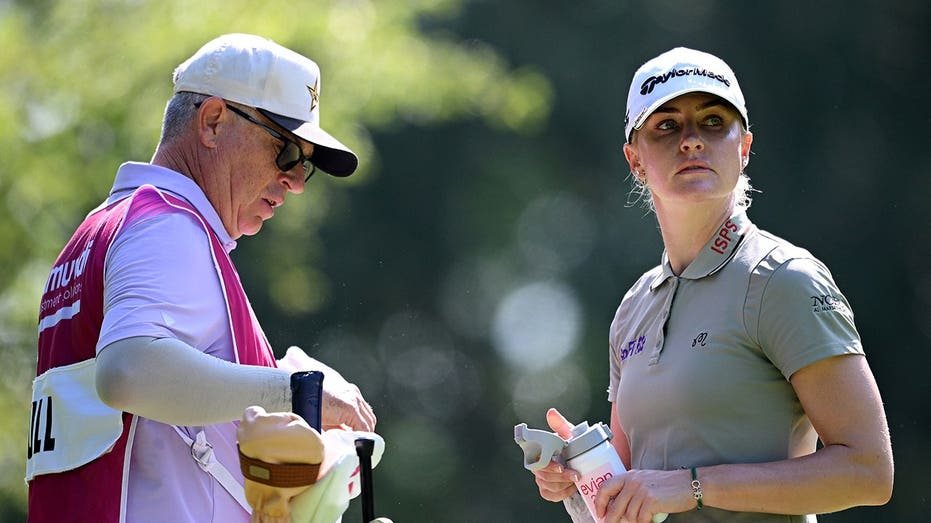
Professional golfer Charley Hull is refusing to apologize after a prank on her caddie went viral and set off a heated debate about money, privilege, and the culture of golf. Hull handed her caddie a scratch-off ticket that appeared to show a $100,000 winner before she revealed it was a joke. The exchange drew immediate criticism online, with some accusing her of making a working member of her team the butt of a cruel stunt.
Hull, nicknamed «Smokin' Charley Hull» and often compared with the «John Daly of Women's Golf,» has built a reputation for a freewheeling, rebellious image. Her defenders argue that the prank is exactly the kind of behavior fans have come to expect from her. Her critics see it differently, describing the joke as a display of wealth and callousness toward someone who earns a living on tour.
Critical posts spread quickly. One user wrote: «It's amazing once people get a bit of money they look at poorer people as toys for their entertainment. Quite sick really.» Another wrote: «How does anyone think this is funny?! This is horrible. Especially from someone who doesn't have money issues. The only way this is a prank is if she gave him said amount of money after she told him it was lie and he didn't win anything. S----y human behavior.»
Hull has shown no sign of backing down. In the wake of the criticism, the episode was defended by supporters who pointed out that practical jokes have long been part of golf culture. Players have been known to prank each other with fake snakes, exploding golf balls, and a range of other stunts far outside the sport's polished television image. For many on the course, the Hull exchange was harmless mischief, not hazing.
The controversy lands at a delicate moment for professional golf, which is already wrestling with the impact of gambling. Jordan Spieth has warned that gambling is fueling rowdy crowds and has called on the sport to address the issue soon. His comments have become part of a larger debate about the way new money and new audiences are changing behavior at tournaments. The Hull episode adds another flashpoint to that conversation, raising questions about how golfers should treat the support staff who help them compete.
The story also fits a pattern in which golf's traditional etiquette has collided with a more informal, internet-era approach to the game. Hull, who has been embraced by fans for her smoking, gambling, and unpolished attitude, represents a break from the careful image management that defined many previous generations of tour players. Her refusal to apologize is likely to reinforce her standing with that audience, even as it deepens the frustration of her critics.
The argument is now unfolding among observers who disagree on whether the joke crossed a line. The exchange has become one of the most widely discussed moments in golf's ongoing debate about conduct, money, and the sport's shifting identity.