
Writing a To-Do List Before Bed May Help You Fall Asleep Faster
A simple evening habit of writing down tomorrow's tasks can quiet a racing mind and shorten the time it takes to fall asleep, sleep experts say.
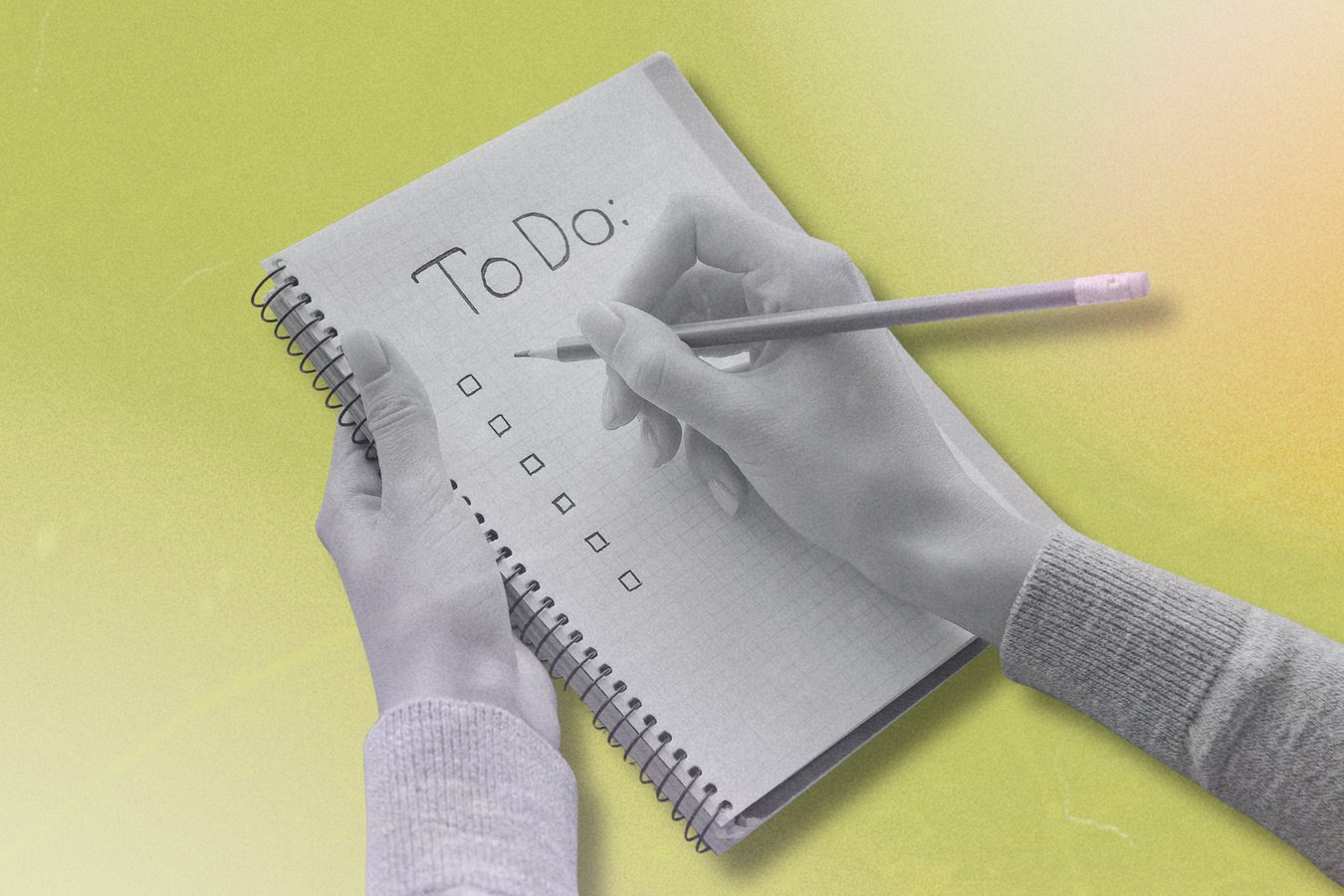
For people whose minds race the moment their head hits the pillow, a simple evening ritual may offer relief: writing down tomorrow's to-do list before getting into bed. Sleep specialists say the habit helps quiet the mental inventory of unfinished tasks that keeps many people awake, giving the brain permission to set those concerns aside for the night.
Dr. M. Taruj Ali, medical director of sleep medicine at Mary Washington Healthcare in Fredericksburg, Virginia, says one of the most common complaints he hears from patients with insomnia is feeling tired yet unable to shut off their thoughts. They describe a running mental checklist of pending obligations and plans for the next day. Spending a few minutes putting those thoughts on paper can reduce the pressure to keep thinking about them, according to experts.
The timing of the exercise matters. Rather than saving it for the moment you climb into bed, experts recommend spending five to ten minutes on it earlier in the evening, when you wrap up structured tasks such as work or chores. If a forgotten task pops into your head later, a brief note on a notepad by the bed is enough without turning it into a full planning session.
Research supports the practice. A small 2018 study randomly assigned 57 healthy adults ages 18 to 30 to spend five minutes at bedtime either writing about tasks they needed to complete in the coming days or listing what they had accomplished earlier. The group that wrote to-do lists fell asleep an average of nine minutes faster, and the more specific their lists were, the quicker they drifted off. The study involved only one night in a sleep lab and did not include people with insomnia, so researchers cautioned that the results may not extend to chronic sleep problems. Still, the findings align with the idea that writing down unfinished tasks helps put them to rest.
The technique is a form of cognitive offloading, using an external tool to reduce how much information the brain must track. Stephanie High, a psychology doctoral candidate in Spokane, Washington, compares unresolved tasks to browser tabs running in the background of the mind. Even when not actively looking at one, it uses a little battery and memory. Writing a task down allows a person to acknowledge it requires attention without needing to act on it immediately.
The benefits extend beyond bedtime. Alexis Haselberger, a time-management and productivity coach in San Francisco, says planning the next day before the current one ends creates a clear dividing line between work and personal life. It helps people disconnect mentally from their jobs in the evening and also provides a morning advantage, allowing them to start the day without spending time figuring out what to do first.
For those whose organizational systems are chaotic, clinical psychologist Sari Chait of Dedham, Massachusetts, suggests beginning with a full brain dump, getting everything out on paper before organizing it. After that initial list, the daily exercise can be much smaller, such as choosing three priorities for the next day at the end of each workday. Comparing those priorities with the calendar helps ensure the plan is realistic, and moving tasks that will not fit to another day prevents the list from becoming an unrealistic wish list.
Specificity also matters. Vague entries such as «prep for meeting» leave the mind holding onto what preparation means, while detailed items like «pull Q3 numbers, email the deck» close the loop because nothing is left to remember. The same distinction applies to «call Mom» versus «call Mom about Thursday's appointment.» Including enough detail ensures clarity upon waking, though the list does not need to be polished or visually appealing.
Experts note that pen and paper worked in the sleep study, but no evidence shows handwriting is superior to typing. A notebook or a notes app on a phone both work, and the best method is the one a person will actually use consistently. For some individuals, however, writing a to-do list can increase anxiety, especially if it becomes a tedious planning session or a catalog of failures. If the page fills with every unresolved problem, it can feel like a threat list rather than a plan. Keeping the exercise brief and focusing on what to do next rather than what went wrong helps prevent the habit from becoming another source of stress.
74