New Amylin-Based Weight-Loss Drugs Show Fewer Side Effects in Late-Stage Trials
Researchers at the European Association for the Study of Diabetes in Milan reported encouraging results for a new class of injectable weight-loss drugs called amylins, which appear to cause fewer gastrointestinal side effects than existing GLP-1 medications. Novo Nordisk's CagriSema helped patients lose 22.4% of body weight, while Eli Lilly's combination drug achieved 23% weight loss.
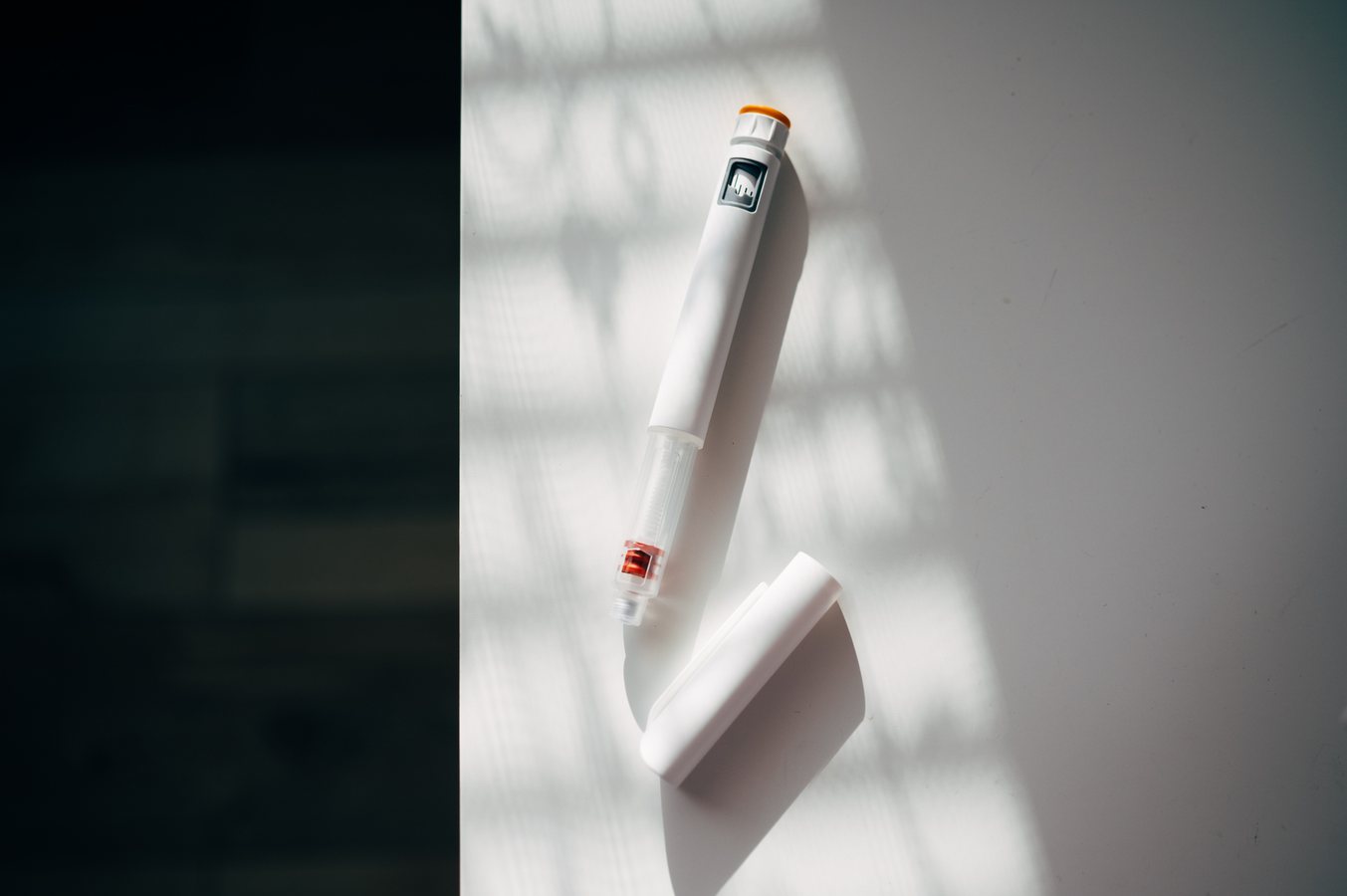
A new class of injectable weight-loss medications may offer a better-tolerated alternative to the GLP-1 drugs that have dominated the market, according to clinical trial results presented this week at the annual meeting of the European Association for the Study of Diabetes in Milan. The experimental treatments, known as amylins, mimic a peptide hormone that works alongside GLP-1 to regulate appetite and digestion, but early data suggest they cause fewer of the gastrointestinal side effects that lead roughly 40% of patients to stop taking existing drugs within a year.
Novo Nordisk, the maker of Wegovy and Ozempic, reported that its experimental amylin-based compound CagriSema helped people who were overweight or obese lose 22.4% of their starting body weight after a year when taken as a weekly injection, compared with those taking a placebo. The company also presented brain imaging studies showing the drug changed neural responses to food, potentially reducing the intensity of food fixations. In patients with Type 2 diabetes, CagriSema reduced harmful fat in the liver and pancreas, an early sign that the medication may deliver health benefits beyond weight loss.
CagriSema combines semaglutide, the active ingredient in Wegovy and Ozempic, with cagrilintide, an amylin analogue that mimics a hormone produced in the pancreas that regulates feelings of fullness. Martin Holst Lange, executive vice president and chief scientific officer at Novo, said an earlier-stage study in people with Type 2 diabetes also showed the drug could reduce neuropathic pain, a condition affecting about half of people with the disease. «It's super exciting because we are showing that beyond weight loss and glycemic control, CagriSema can do more to help people in their everyday life,» Lange said. «So we are quite enthusiastic about what we are seeing.»
Eli Lilly, which makes Zepbound, reported that its experimental combination drug EloraTZP — pairing the amylin analogue eloralintide with tirzepatide — helped people who were overweight or had obesity and also had Type 2 diabetes lose 23% of their starting body weight, compared with 14.8% among those using tirzepatide alone after nearly a year. The weekly injectable also lowered A1C, a measure of blood sugar control, by more than either component alone. The company has been studying the amylin portion of the combination on its own and plans to launch additional studies of the combination this year.
Zealand Pharmaceuticals, a Danish biotech company, also shared results published Sept. 29 in the Lancet for its amylin-based compound petrelintide, an experimental weekly injectable. It helped people who were overweight or obese but did not have diabetes lose an average of 10% of their body weight, compared with 1.7% for those who took a placebo. Notably, participants even on the highest doses reported side effects at rates similar to those who received a placebo shot.
Because of their efficacy and favorable side-effect profile in experiments so far, amylin-based medications may one day become an attractive first-line therapy for people seeking to lose a moderate amount of weight without the unpleasant side effects associated with GLP-1 drugs. «The amylins still cause some nausea, but it's at less than half the rate of what we generally see in GLP-1 trials,» said Dr. Timothy Garvey, a professor in nutrition sciences and senior scientist in the nutrition obesity research center at the University of Alabama who led the petrelintide trial. Not everyone needs drastic weight loss, he noted, so amylin drugs could be a welcome option. «As more of these tools become available, we can individualize care better,» Garvey said. «Primary care physicians may have an easier time prescribing these since they are better tolerated. So I am personally very sanguine about amylins.»
Novo has submitted a request to the U.S. Food and Drug Administration for approval of CagriSema to treat overweight and obesity in people without diabetes, and the agency is expected to make a decision by the end of the year. The other products remain in earlier stages of human testing, but the results suggest amylins may eventually join GLP-1s in the rapidly expanding category of weight-loss drugs.
7