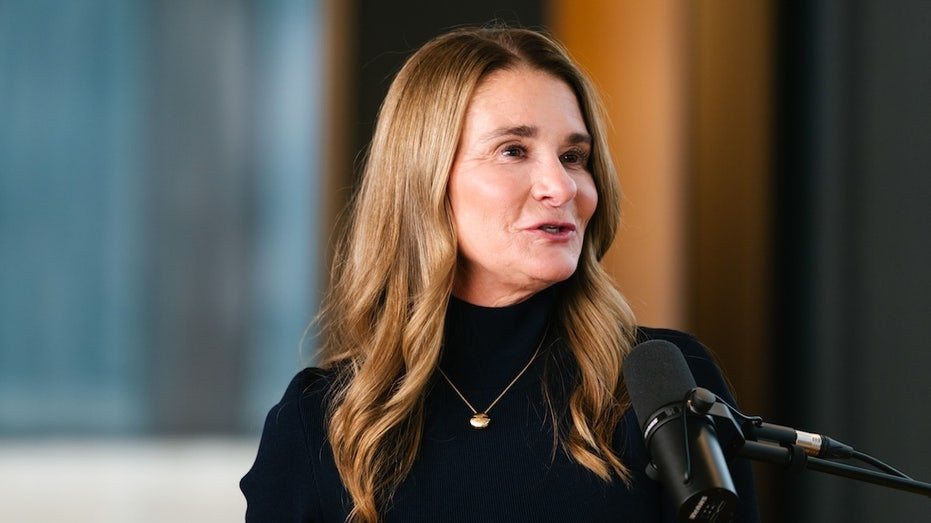
Melinda French Gates is speaking out about the challenges of recognizing perimenopause, revealing that she did not receive a proper diagnosis and treatment until after seeing three different doctors. The philanthropist and businesswoman, now 61, shared her experience with journalist Norah O'Donnell on the new podcast "Healthful," which was released on Wednesday. French Gates said she was in her early 40s when she began experiencing menopause symptoms, noting that she "kind of couldn't believe it."
French Gates later learned that many OB-GYNs receive little formal training in menopause care, a gap she says underscores broader deficiencies in women's healthcare. "It was kind of unbelievable to me that, even in this, you know, unbelievably privileged situation I'm in, where I feel like I can get some of the best healthcare, it took me three doctors to really diagnose what I was going through and to get the right treatments for where I was," she said during the interview. She emphasized that the issue was not due to any individual doctor's negligence but rather a systemic lack of training: "It wasn't because anybody was doing the wrong thing. It's because of what I now know, which is, only one-third of OB-GYNs in this country are trained in menopause."
Supporting her claim, a national survey published in the journalMenopausein 2023 found that only about one-third of U.S. obstetrics and gynecology residency programs include a formal menopause curriculum. More recently, a 2024 study revealed that OB-GYN, family medicine, and internal medicine residents have low knowledge and low confidence in treating menopausal symptoms. In a separate 2026 Kansas study, more than half of residents reported receiving fewer than five hours of menopause education, and the majority did not believe that residency fully prepared them to treat menopausal patients independently. A national survey of 2,000 women found that only 25% said their healthcare provider had adequately informed them about perimenopause.
Additional training in this area could help, researchers claim, as knowledge scores increased from 61% to 79% among those who received a structured curriculum. About 1.3 million U.S. women reach menopause each year, according to The Menopause Society. Most begin perimenopause in their 40s, although it can start earlier. As perimenopause causes hormone levels to fluctuate, women can experience a range of symptoms, including irregular periods, hot flashes, night sweats, sleep disturbances, mood changes, vaginal dryness, brain fog, and joint pain, according to the Mayo Clinic.
French Gates' experience highlights a broader issue in women's healthcare that has long been underrecognized. The lack of formal menopause training in medical residency programs means many women struggle to find providers who can accurately diagnose and treat their symptoms. This gap is particularly concerning given the large number of women entering perimenopause and menopause each year. French Gates, who has been a vocal advocate for women's health and empowerment through her philanthropic work, hopes that sharing her story will raise awareness and encourage more comprehensive training for healthcare providers.
The conversation around menopause care is gaining momentum, with advocates calling for better education and resources for both patients and doctors. French Gates' story serves as a reminder that even those with access to top-tier healthcare can face significant barriers to receiving appropriate treatment. As more women speak out about their experiences, there is growing pressure on medical institutions to update their curricula and ensure that future generations of doctors are better equipped to address the unique health needs of women in midlife.