Food safety experts who investigate outbreaks for a living have a surprisingly short list of foods they refuse to eat, and some of their choices may be sitting in your refrigerator right now. These professionals do not live in fear, but after decades of studying foodborne illness, they have each decided that certain foods simply are not worth the risk. Frank Yiannas, former deputy commissioner for food policy and response at the U.S. Food and Drug Administration, says he approaches food with a quantitative risk assessment rather than labeling items as simply good or bad. Still, the consensus among experts is clear on several items.
Raw milk and raw-milk cheese top nearly every expert's list. Bill Marler, a food-safety lawyer who has spent decades suing companies over outbreaks, calls the consumption of raw milk ridiculous. He has represented families of children who died or suffered kidney damage and neurological complications after foodborne illness linked to raw milk. Barbara Kowalcyk, director of the Institute of Food Safety and Nutrition Security at George Washington University, also avoids raw milk and cheeses made from it, noting that the risks have been known for decades. Kowalcyk lost her young son in 2001 to complications from an E. coli infection, a tragedy that led her to leave pharmaceutical research and dedicate her life to food safety. She believes her son's illness was caused by tainted ground beef in a hamburger he ate. The experts emphasize that pasteurization offers a safe alternative, making the risk of raw milk unnecessary.
Cantaloupe is another fruit that experts avoid. Darin Detwiler, an associate teaching professor of food policy at Northeastern University and author ofFood Safety: Past, Present, and Predictions, says you cannot adequately clean the outside of a cantaloupe. When you cut through the rough rind, you drag any surface contaminants into the flesh. If you choose to eat it, he advises cutting and eating it immediately, never letting cut melon sit out for more than two hours. He warns that cut melon left too long can develop a dusting that looks like powdered sugar on the surface, which is actually a sign of pathogen growth. Detwiler lost his young son in the 1993 Jack in the Box E. coli outbreak, a tragedy that shaped his career in food safety.
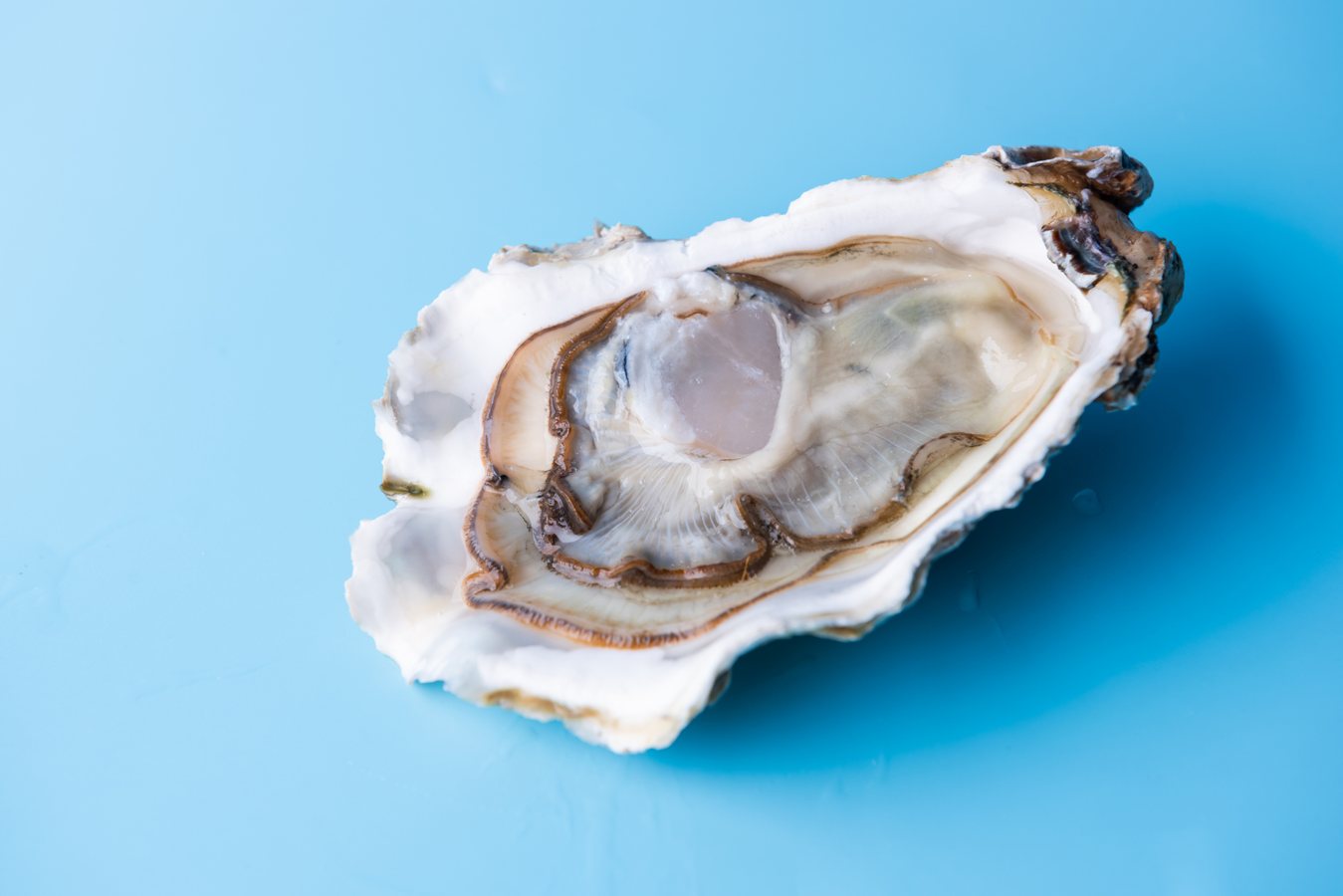
Raw oysters and shellfish are also on many experts' no-go lists. Marler explains that shellfish are filter feeders, pulling water through their bodies. If the water is contaminated, the oysters become contaminated as well. Detwiler ranks oysters among his top three foods to avoid, citing frequent illness outbreaks and the difficulty of tracing them back to their source. Dr. Daniel Griffin, an infectious disease physician and president of Parasites Without Borders, does not swear off sushi entirely but inspects each piece before eating it. He looks for thin, reddish, thread-like worms that are visible in pale fish and skips sushi rolls because hidden ingredients make inspection impossible.
Undercooked pork is another concern. Jill Roberts, a molecular epidemiologist and professor at the University of South Florida College of Public Health, avoids thick cuts like pork tenderloin because they are harder to cook all the way through. She worries about the parasite Toxoplasma, which has increasingly been linked to undercooked pork. Raw sprouts are an easy pass for Kowalcyk, who notes they have been linked to a long string of outbreaks. Contamination often starts on the seeds themselves, and the warm, humid conditions needed for sprouting are ideal for bacterial growth. Rinsing is not enough to remove pathogens, and cooking defeats the purpose of eating sprouts for their crunch.
Pre-cut fruits and vegetables are another item experts avoid. Marler says the convenience of pre-sliced melon or shredded carrots is not worth giving up control over how food is handled. He points out that you do not know how long the product has been sitting around or whether the knife, cutting surface, or hands that touched it were clean. Kowalcyk agrees, preferring to buy whole produce and cut it herself. Raw eggs are also on the list. Marler notes that eggs are far safer today than they were 20 years ago, but he still will not eat them raw, meaning no homemade Caesar dressing or cookie dough for him.
The experts' advice is not about living in fear but about making calculated decisions. They emphasize that all food carries some risk, and the key is deciding which risks are worth taking. For these professionals, the foods on their avoid lists have proven too dangerous based on their experience and the science of foodborne illness.