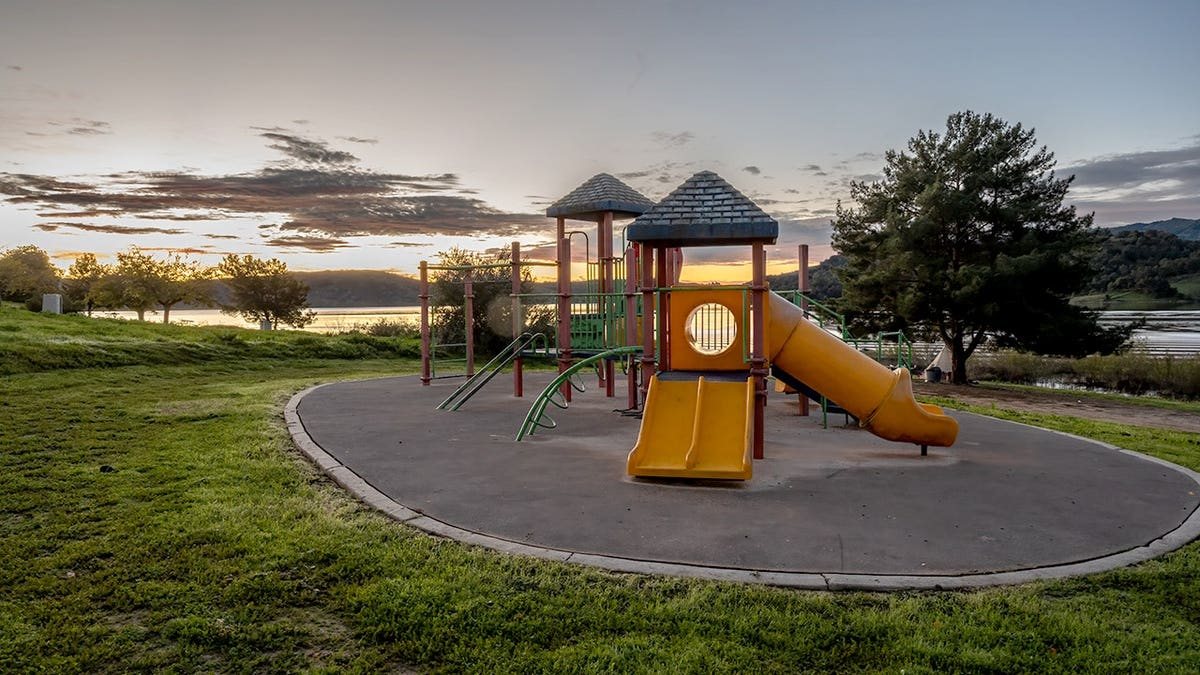
As the United States marks its 250th anniversary, a growing coalition of pediatricians, educators, and lawmakers is renewing efforts to make recess a mandatory part of the school day. The push comes as new research confirms what early education reformers understood: that unstructured playtime is not a break from learning but an essential component of it. Only twelve states currently require daily recess, but several others, including New York, are considering legislation to guarantee it for all students.
The American Academy of Pediatrics released its first updated policy statement on recess since 2013 earlier this summer. The new statement draws on more than 100 studies conducted over the past decade, roughly double the number cited in the previous version. The research documents how recess supports memory, executive function, social skills, mental health, and physical well-being. The academy reaffirmed its recommendation that recess should be protected and never withheld as punishment or replaced with additional academic instruction.
Supporters of mandatory recess argue that the benefits extend far beyond physical exercise. During child-directed play, students learn to negotiate disagreements, practice leadership, build friendships, manage stress, and solve problems independently. These skills — often described as creativity, collaboration, resilience, and empathy — are increasingly recognized as critical for success in school, careers, and civic life. Two middle school students recently wrote in an op-ed that recess allows them torefresh themselves
before returning to class, a sentiment echoed by many educators.
The modern emphasis on recess aligns with the vision of early American education reformers. Horace Mann, whose work helped shape public education in the 19th century, argued that schools should prepare children not only for work but for democratic life. The very concept of kindergarten — German forchildren’s garden
— was built on the idea that young minds need room to grow and explore. However, beginning with the 1983 reportA Nation at Risk
and accelerating through the No Child Left Behind era, schools increasingly prioritized instructional time and standardized test scores, often at the expense of recess.
Today, educators and health experts are pushing back against that trend. They note that the qualities nurtured on the playground — teamwork, perseverance, conflict resolution, and leadership — are the same qualities that drive innovation and civic engagement. As the nation celebrates its 250th year, these skills are seen as vital for preparing the next generation of architects, engineers, scientists, physicians, diplomats, entrepreneurs, and community leaders.
The legislative landscape is slowly shifting. In states like New York, bills to mandate daily recess are under consideration, and advocates are watching closely to see how other states respond. The issue has gained urgency amid rising rates of anxiety, depression, and social isolation among children, which many experts attribute in part to increased screen time and reduced opportunities for unstructured play.
Proponents emphasize that recess is one of the simplest and most cost-effective ways to improve children’s health and well-being. It requires no special equipment or funding — just time and space for children to interact freely. As schools prepare for the back-to-school season, the debate over recess is likely to intensify, with the nation’s oldest educational ideals meeting the latest scientific evidence.
The children on today’s playgrounds, advocates say, will shape America’s next 250 years. The skills they develop during recess — creativity, collaboration, resilience, curiosity, leadership, empathy, and the confidence to solve problems together — will be essential for the challenges ahead. Ensuring that every child has access to daily recess, they argue, is an investment in the country’s future.