White House Correspondents' Association Accuses Trump Team of Retaliation Against Reporter
The White House Correspondents' Association is objecting to the Trump administration's decision to block a journalist's access after the president was upset over his questions, calling it retaliation against the press.
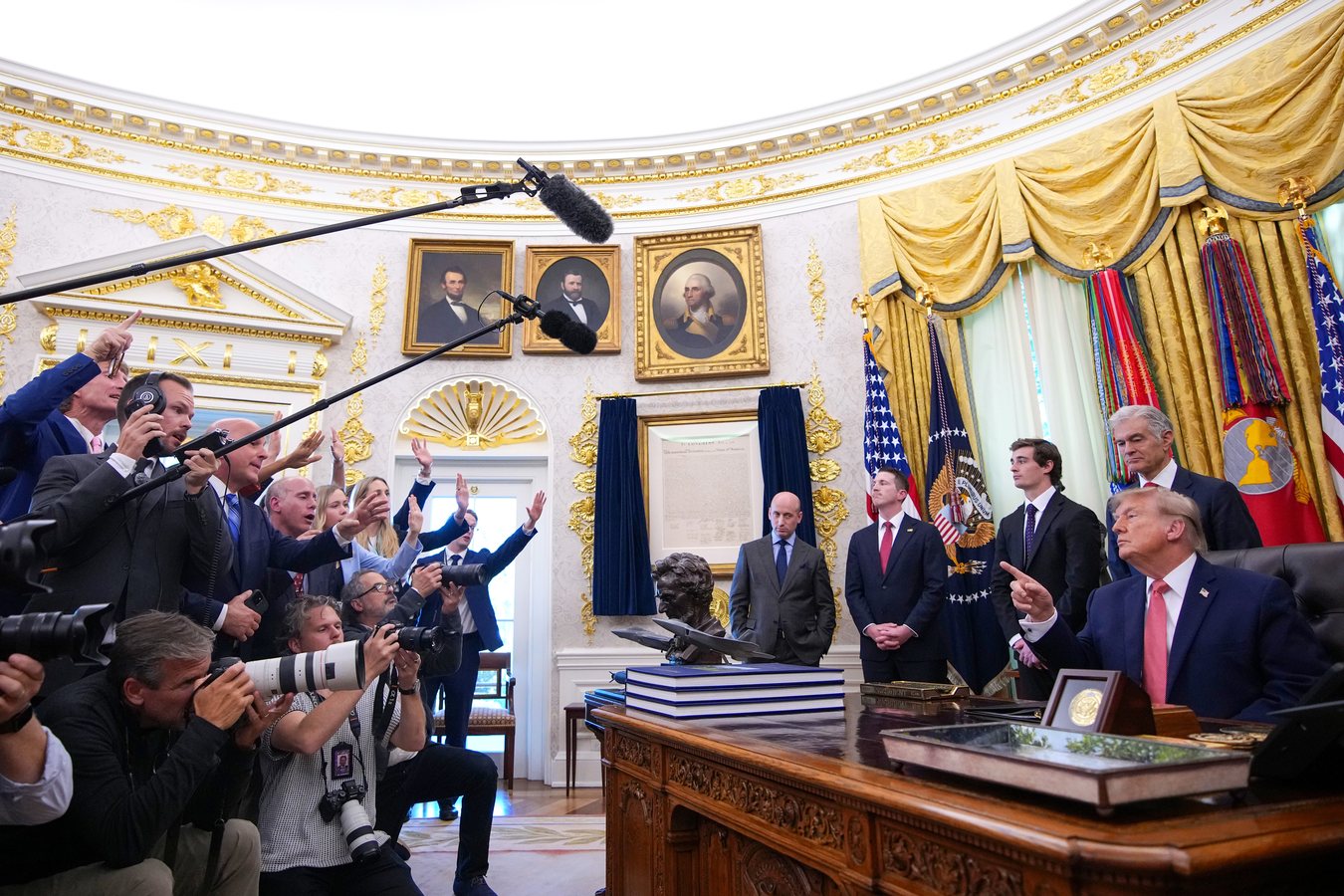
The White House Correspondents' Association is accusing the Trump administration of retaliating against a journalist by blocking his access to the White House, after the president became upset over questions the reporter asked. Jacqui Heinrich, the association's president and a senior White House correspondent for Fox News, said the organization strongly objects to the decision and framed it as punishment for coverage the president disliked.
In a statement issued Wednesday, Heinrich said the move to restrict the journalist's access amounted to retaliation, a charge that puts the association at odds with an administration that has repeatedly clashed with the press corps. The association represents journalists who cover the president and has traditionally served as a advocate for access and transparency at the White House.
The dispute centers on the administration's decision to bar the reporter from future access, a step the association says was prompted by the president's frustration with the questions he faced. The WHCA's objection signals that the organization views the episode as part of a broader pattern of pressure on reporters covering the White House, though the statement focused on this specific case.
The clash comes as tensions between the Trump administration and the news media remain high, with the president frequently criticizing coverage and individual reporters. Press access at the White House has been a recurring flashpoint, and the association has previously pushed back when it believed reporters were being singled out for their questions or stories.
Heinrich, who leads the association while working as a Fox News correspondent, said the group's objection was rooted in the principle that journalists should not face consequences for doing their jobs. The association's statement did not detail what specific access was revoked or for how long, but it made clear that the organization sees the decision as a direct response to the president's displeasure.
The episode adds to a running debate over how the White House handles press credentials and whether access is being used as leverage against outlets or reporters whose coverage the administration finds unfavorable. The WHCA has long argued that a free press needs unimpeded access to hold officials accountable, and its leaders have warned that restricting individual journalists can have a chilling effect on the entire press corps.
For now, the association is pressing the administration to reverse the decision, though it is unclear whether the White House will respond. The dispute is likely to continue drawing attention from media organizations and press-freedom advocates who are watching how the administration treats reporters who ask tough questions.
5