Trump promised the strongest reserve dollar. Dimon just defined the test
Jamie Dimon's warning does not say the dollar has already lost its reserve role. It does turn Trump's own promise into a measurable test of fiscal strength, trade policy, institutional credibility and alliances.
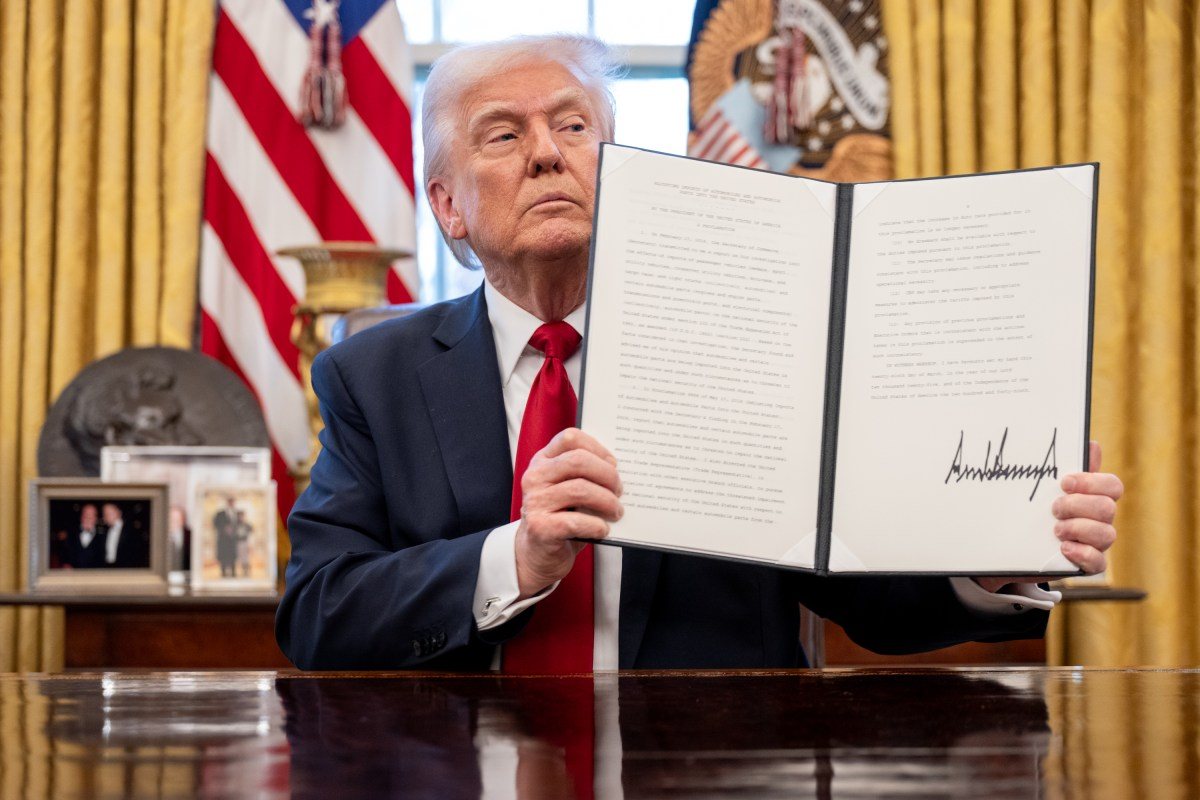
Donald Trump made the dollar's reserve status part of his political promise. During the 2024 campaign, he said the currency would be more secure and its reserve position stronger than ever. The White House later declared that promise fulfilled. Jamie Dimon has now supplied a much harder standard by which to judge it: if the United States is no longer the world's strongest economy and military power a generation from now, he says, it should not expect to keep the world's dominant reserve currency either.
Dimon's warning is not a claim that Trump has already destroyed the dollar. The latest IMF data point in the opposite direction. The dollar accounted for 57.13% of global foreign-exchange reserves in the first quarter of 2026, up from the previous quarter and still far ahead of the euro. A dramatic, present-tense collapse of dollar dominance is not what the evidence shows.
The political relevance lies in the trajectory. Trump is now responsible for a set of policies that bear directly on the foundations Dimon has repeatedly identified: economic strength, reliable institutions, deep markets and alliances.
Start with the budget. Trump signed Public Law 119-21, his major 2025 tax-and-spending package, on July 4 last year. The Congressional Budget Office's February 2026 baseline says that law raises projected deficits by about $4.7 trillion over 2026-2035 after accounting for macroeconomic effects and added debt-service costs. CBO projects a $1.9 trillion federal deficit this fiscal year and public debt rising to 120% of GDP by 2036.
The administration argues that the law strengthens growth, investment, defense and household finances. CBO also sees a short-run growth boost. But the same agency says the larger deficits push up interest costs and leave the fiscal path unsustainable over time. That matters to a reserve currency because the United States' privilege is inseparable from global demand for Treasury securities. The more Washington borrows, the more valuable continued confidence in those securities becomes.
Trade is the second test. Trump has used tariffs aggressively to force concessions, rebuild industrial capacity and reduce strategic dependence on China. A temporary 10% import surcharge ran from February 24 through July 24 this year, alongside other tariff measures. CBO estimates that higher tariffs substantially reduce deficits through new revenue, but also drag on growth. Dimon is not reflexively anti-tariff: he has argued that targeted measures can be justified for national security and that tariffs have brought trading partners to the table. His caution is about the end state. He wants stability, consistency and stronger economic bonds with allies, not permanent fragmentation.
That distinction matters because Dimon's own 2025 shareholder letter drew a direct line between alliances and the dollar. He warned that fragmented relationships could isolate the United States and eventually cost the dollar its reserve role. Trump's strategy therefore succeeds on Dimon's terms only if tougher bargaining produces a stronger American-led system rather than a collection of partners looking for ways around it.
The third test is institutional. Dimon defended Federal Reserve independence in January amid the Trump administration's escalating confrontation with the central bank. In June, the Supreme Court blocked Trump's effort to remove Fed Governor Lisa Cook for the time being. Dimon has long listed rule of law and reliability alongside economic power as reasons global investors choose the United States. Political control over monetary policy would put that premium at risk even if the economy remained large.
There is a fair counterargument. Trump is spending more on defense, pushing strategic manufacturing back toward the United States and promoting dollar-backed stablecoins that could create additional demand for Treasuries. Those are all policies the administration says reinforce dollar leadership, and some overlap with priorities Dimon supports.
That is why the stronger story is not “Trump caused de-dollarization.” He has not, at least not in the reserve data available today. The story is that Trump promised to protect one of America's most valuable strategic assets while pursuing a high-variance strategy on debt, trade and institutions. Dimon's warning defines the scoreboard. The outcome will be visible in borrowing costs, reserve allocations, allied behavior and whether investors continue to treat American rules as more durable than American politics.
78