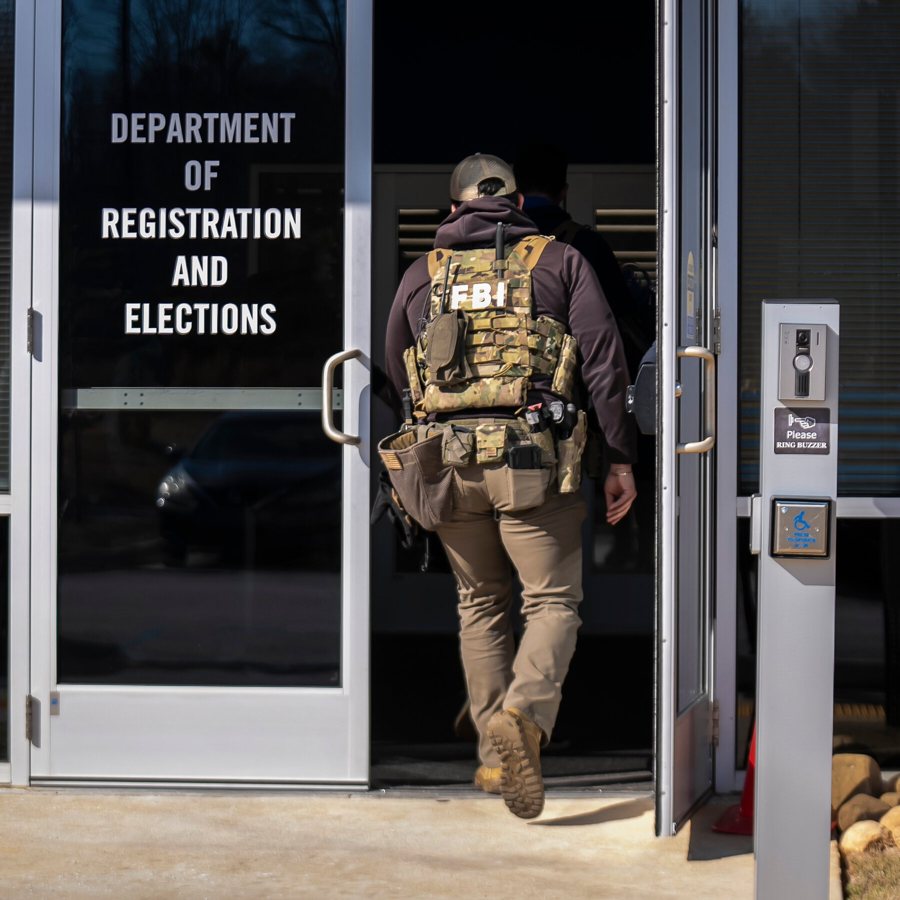
The campaign of former President Donald Trump has intensified its focus on Georgia, seeking not only to challenge the state's vote count but also to erode public trust in the election process itself, according to recent reports and statements from election officials. This dual strategy has alarmed voting rights advocates and state authorities, who warn that it could have lasting consequences for how Americans perceive the integrity of their elections.
The effort includes a series of legal challenges, public statements, and social media campaigns that question the accuracy of vote tabulation in Fulton County, a Democratic stronghold that has been a frequent target of election-related skepticism. Trump's allies have amplified claims of irregularities, despite multiple audits and recounts that have affirmed the results. Election officials in Georgia have repeatedly stated that the 2024 election was conducted fairly and securely, but the persistent attacks have sown doubt among a significant portion of the electorate.
Fulton County, which includes most of Atlanta, has been at the center of these disputes. In January, an FBI agent entered the county's elections office in Union City as part of an ongoing investigation, though details of the probe remain unclear. The incident has been cited by Trump supporters as evidence of wrongdoing, while local officials emphasize that the investigation does not undermine the validity of the election results. The county has faced logistical challenges in past elections, including long lines and equipment issues, but state and federal reviews have found no evidence of widespread fraud.
The broader implications of this campaign extend beyond Georgia. Voting rights experts argue that undermining trust in a single state's election system can have a ripple effect, encouraging similar challenges in other battleground states and deepening partisan divides over election administration. A 2025 survey by the Pew Research Center found that only 42% of Americans expressed high confidence in the accuracy of the 2024 presidential election, down from 55% in 2020. The decline was most pronounced among Republican voters, many of whom cited unsubstantiated claims of fraud.
Georgia Secretary of State Brad Raffensperger, a Republican, has defended the state's election processes, stating that they are among the most secure in the nation. He has publicly refuted allegations of widespread fraud and called for unity around the election results. However, his position has put him at odds with Trump and his allies, who have criticized him for not doing enough to investigate their claims. Raffensperger's office has conducted multiple audits and investigations, all of which have confirmed the integrity of the vote.
The legal challenges mounted by the Trump campaign have faced mixed success in court. Several lawsuits have been dismissed for lack of evidence, while others remain pending. Legal analysts note that the campaign's strategy appears designed more to influence public perception than to achieve concrete legal victories. By keeping the issue in the headlines, Trump's team aims to maintain pressure on state officials and keep the narrative of a stolen election alive among his base.
Election administrators across the country are watching the situation in Georgia closely. Many fear that the sustained attacks on election integrity could lead to increased harassment of poll workers, higher turnover rates among election staff, and greater difficulty in recruiting volunteers for future elections. In Georgia, several county election directors have resigned in recent months, citing burnout and threats. The state has also seen a surge in public records requests and open meetings challenges, further straining already limited resources.
Community organizations and civil rights groups have launched efforts to counter the disinformation and rebuild trust in the electoral process. In Fulton County, nonpartisan groups are conducting voter education campaigns and offering resources to help residents understand how elections are administered. These initiatives aim to provide transparency and address concerns directly, but organizers acknowledge that overcoming deeply entrenched skepticism will take time.
The situation in Georgia highlights a broader national challenge: how to maintain confidence in democratic institutions in an era of heightened polarization and information warfare. As the 2026 midterm elections approach, the stakes are high for both parties. Democrats see the attacks on election integrity as a threat to democracy itself, while Republicans are divided between those who accept the results and those who continue to question them. The outcome of this struggle could shape the political landscape for years to come.