Trump brokers oil deal with Venezuela for access to 65 billion barrels of crude
The agreement gives the U.S. a stake in 17 Venezuelan oil fields holding an estimated 65 billion barrels of crude, potentially strengthening energy security and supporting Gulf Coast refineries.
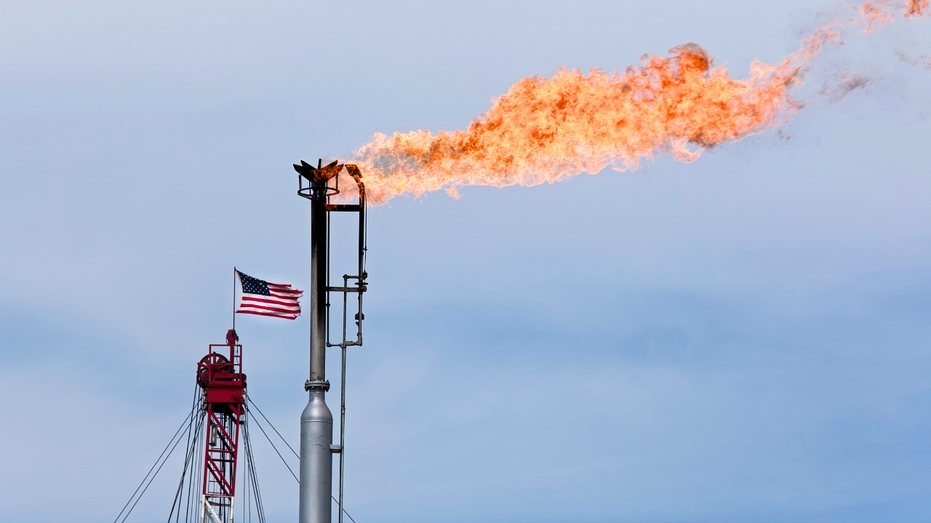
President Donald Trump has brokered an oil agreement with Venezuela that could give the United States access to a 65 billion-barrel crude-oil prize, a move aimed at strengthening American energy security even if drivers are unlikely to see benefits at the pump quickly. The deal, announced Friday, gives the U.S. a stake in 17 Venezuelan oil fields holding an estimated 65 billion barrels of crude, according to Venezuela's government.
Venezuela controls more than 300 billion barrels of crude reserves, roughly 20% of the world's total, making it the largest oil stockpile on the planet, exceeding even Saudi Arabia's. Yet the country has long struggled to turn that oil wealth into steady production. Political instability and deteriorating infrastructure have left Venezuela producing only about 1% of the world's oil despite holding an estimated 17% of global reserves.
For the Trump administration, the potential benefit goes beyond the deal's headline number. Venezuela produces heavy crude, the type many Gulf Coast refineries were designed to process. Much U.S. production is lighter shale crude, while Gulf Coast refiners have historically relied on heavier imports from Canada, Mexico and Venezuela. A steadier Venezuelan supply could support Gulf Coast refineries, diversify U.S. oil imports and provide a buffer against future supply disruptions.
The agreement could also help replenish the Strategic Petroleum Reserve, which remains well below its 714 million-barrel authorized capacity. That prospect has taken on added importance as the war with Iran disrupts oil shipments through the Strait of Hormuz, a critical chokepoint for global energy supplies.
The average U.S. price for regular gasoline stood at about $4.07 a gallon Sunday, according to AAA, compared with roughly $3.19 a year earlier. For Trump, the deal is a bet that long-term access to Venezuelan heavy crude can strengthen U.S. energy security and eventually ease costs for Americans. Whether it translates into relief at the pump will depend on how quickly Venezuela can turn its vast reserves into market-ready barrels.
Energy analysts have described the arrangement as a significant strategic move, given the scale of Venezuela's untapped reserves and the ongoing volatility in global oil markets. The deal comes at a time when the world is consuming more oil, gas and related products than ever, according to industry data, making access to reliable heavy crude supplies increasingly valuable for American refiners.
The agreement marks a notable shift in U.S.-Venezuela relations, which have been strained for years over political and economic disputes. While the full implications of the deal are still unfolding, the administration has framed it as a practical step toward reducing American vulnerability to foreign supply shocks and ensuring that U.S. refineries have the raw materials they need to operate at full capacity.
78